
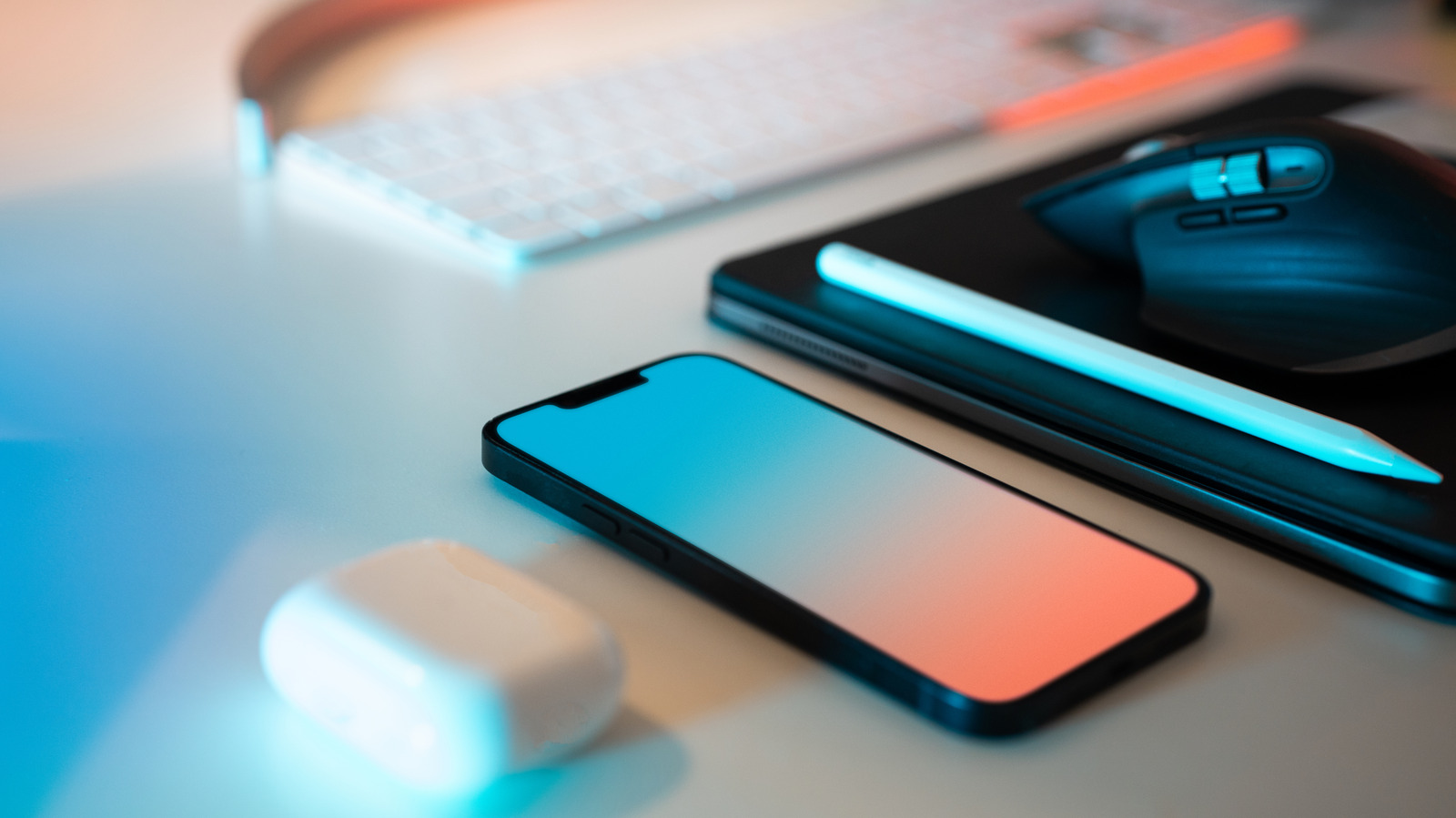
Despite the smaller physical footprint of the iPhone compared to the iPad, Apple's smartphone consistently commands a higher price point. This discrepancy has long puzzled consumers, but industry experts point to several key variables that drive these costs. The primary factor is the miniaturization of high-performance components; packing advanced processors, sophisticated camera arrays, and complex cellular modems into a pocket-sized device is significantly more expensive than the assembly process for larger tablets. Additionally, the iPhone's role as a primary, always-connected personal device necessitates more robust materials and rigorous testing. Market positioning also plays a role, as the iPhone is considered an essential, high-frequency utility, whereas the iPad is often viewed as a secondary media consumption tool. Ultimately, the cost reflects the engineering complexity required to maintain flagship performance in a compact form factor, rather than the total surface area of the hardware.
This is a summary. Read the full article at the original source:
EngadgetRelated stories
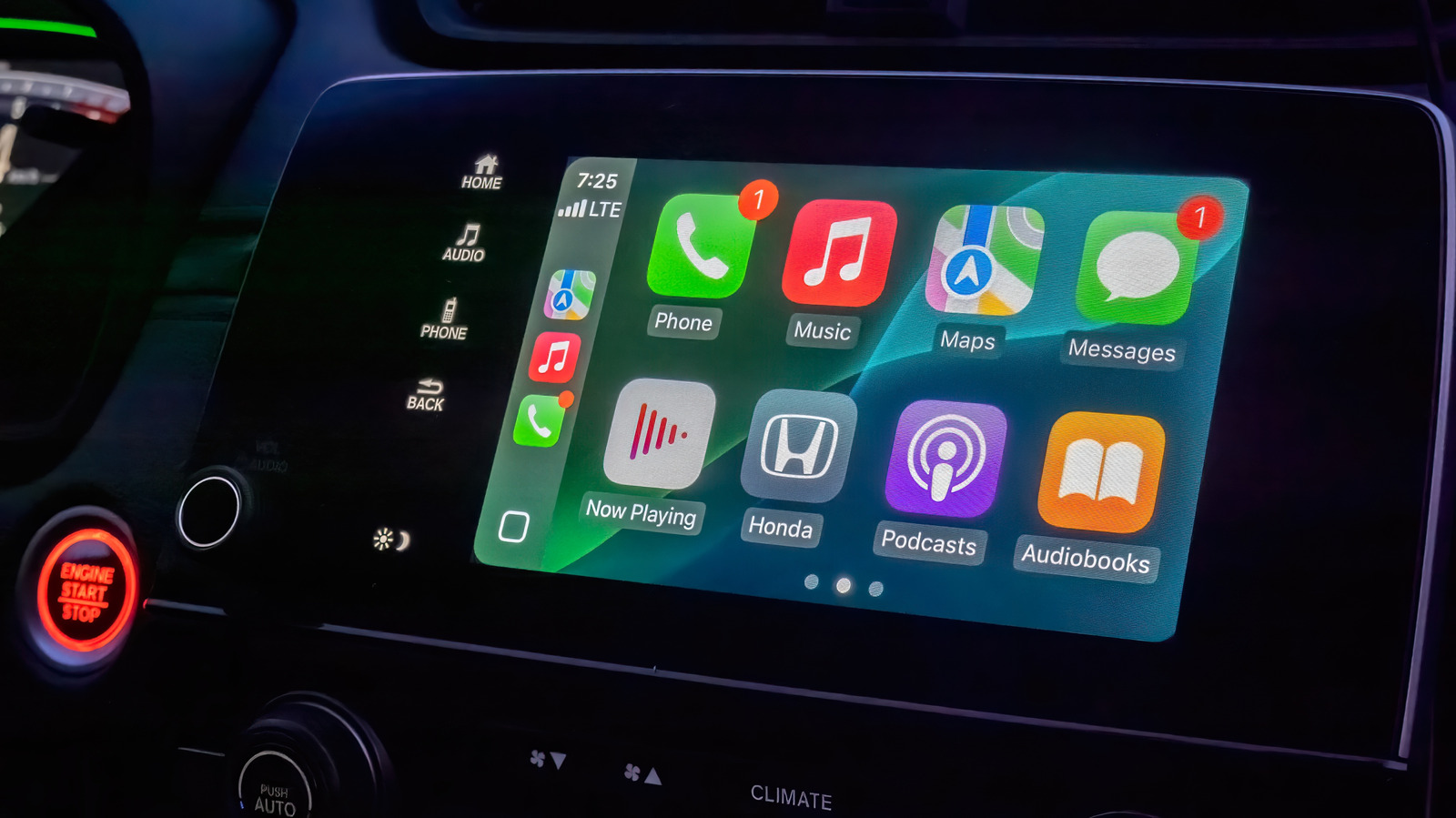
Apple CarPlay offers a streamlined interface for drivers, but while it lacks extensive customization options, users can still optimize their experienc…
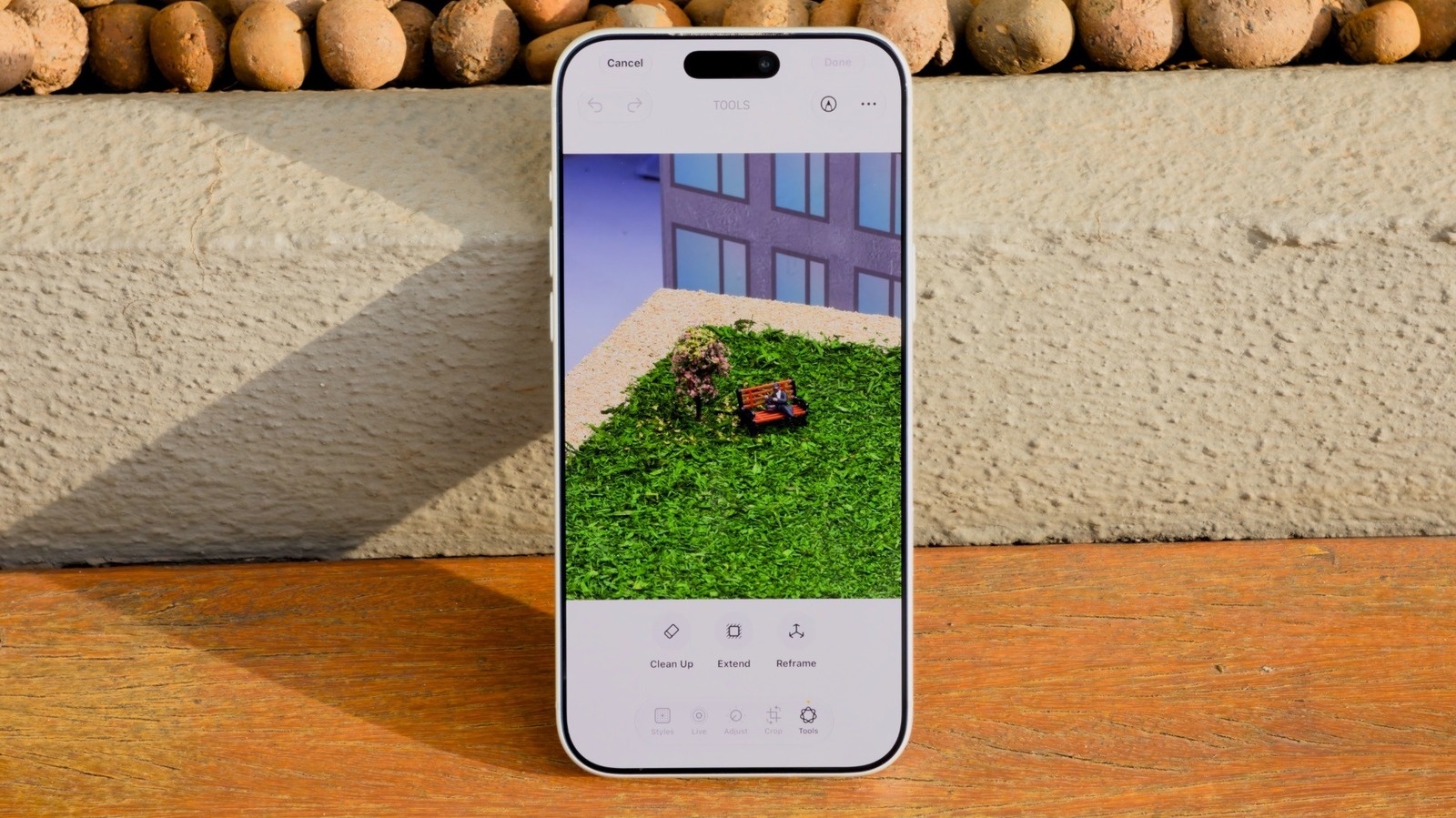
How to use the AI Clean Up tool in iOS 27 to remove unwanted objects in iPhone Photos
Apple's iOS 27 introduces significant enhancements to the Clean Up tool, a feature originally debuted in iOS 18 for removing unwanted elements from im…

As Apple's highly anticipated product event approaches, speculation regarding the branding of its first foldable device has reached a fever pitch. Whi…