
There Are Plenty of Reasons to Be Concerned About Bioweapons Development—Even Without AI

In her latest book on the history and future of biological warfare, author Annie Jacobsen argues that the threat of engineered pathogens exists independently of recent advancements in artificial intelligence. While current discourse often focuses on how AI might lower the barrier to entry for creating bioweapons, Jacobsen emphasizes that scientists already possess the capability to manipulate biological systems to produce extinction-level events. The book highlights that the fundamental dangers of synthetic biology and state-sponsored bioweapon programs have been evolving for decades through traditional scientific research. By shifting the focus away from AI, Jacobsen underscores that the risks associated with dual-use research and the weaponization of nature are deeply rooted in existing scientific infrastructure. The analysis serves as a sobering reminder that the potential for catastrophic biological incidents remains a persistent global security challenge, regardless of the role played by emerging computational technologies.
This is a summary. Read the full article at the original source:
WiredRelated stories
Recent research published in Quanta Magazine highlights a breakthrough in understanding how the human brain processes information. Scientists have ide…

The Institute of Electrical and Electronics Engineers (IEEE) has unveiled the recipients of its prestigious 2027 Technical Field Awards. These honors…
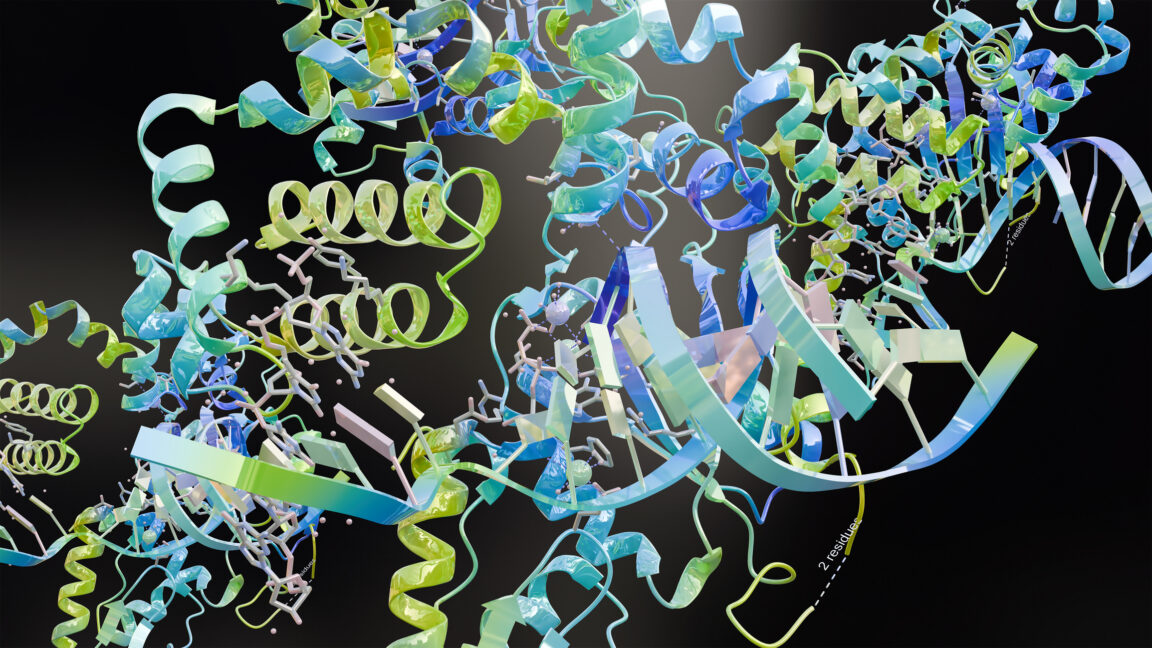
Google researchers have introduced a new method to watermark AI-designed proteins, addressing growing biosecurity concerns regarding the misuse of gen…