
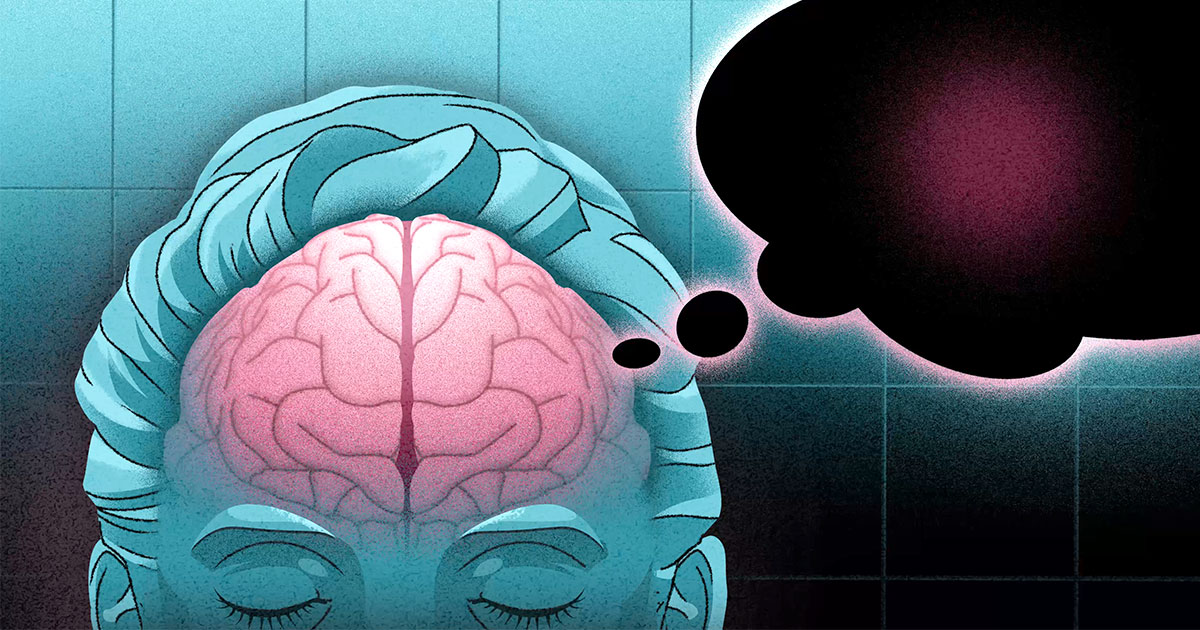
Recent research published in Quanta Magazine highlights a breakthrough in understanding how the human brain processes information. Scientists have identified complex, traveling waves of electrical activity that propagate across the cortex, moving beyond the traditional view of localized brain activity. These patterns, which resemble ripples on a pond, appear to play a critical role in how the brain integrates sensory input and coordinates cognitive functions. By analyzing these large-scale oscillations, researchers are gaining new insights into the neural mechanisms underlying perception and memory. The study suggests that these waves are not merely background noise but are fundamental to the brain's computational architecture. This discovery challenges existing models of neural communication and opens new avenues for studying neurological conditions, potentially transforming our approach to mapping brain activity and understanding the complex dynamics that govern human thought processes.
This is a summary. Read the full article at the original source:
Hacker News (YC)Related stories

There Are Plenty of Reasons to Be Concerned About Bioweapons Development—Even Without AI
In her latest book on the history and future of biological warfare, author Annie Jacobsen argues that the threat of engineered pathogens exists indepe…

The Institute of Electrical and Electronics Engineers (IEEE) has unveiled the recipients of its prestigious 2027 Technical Field Awards. These honors…
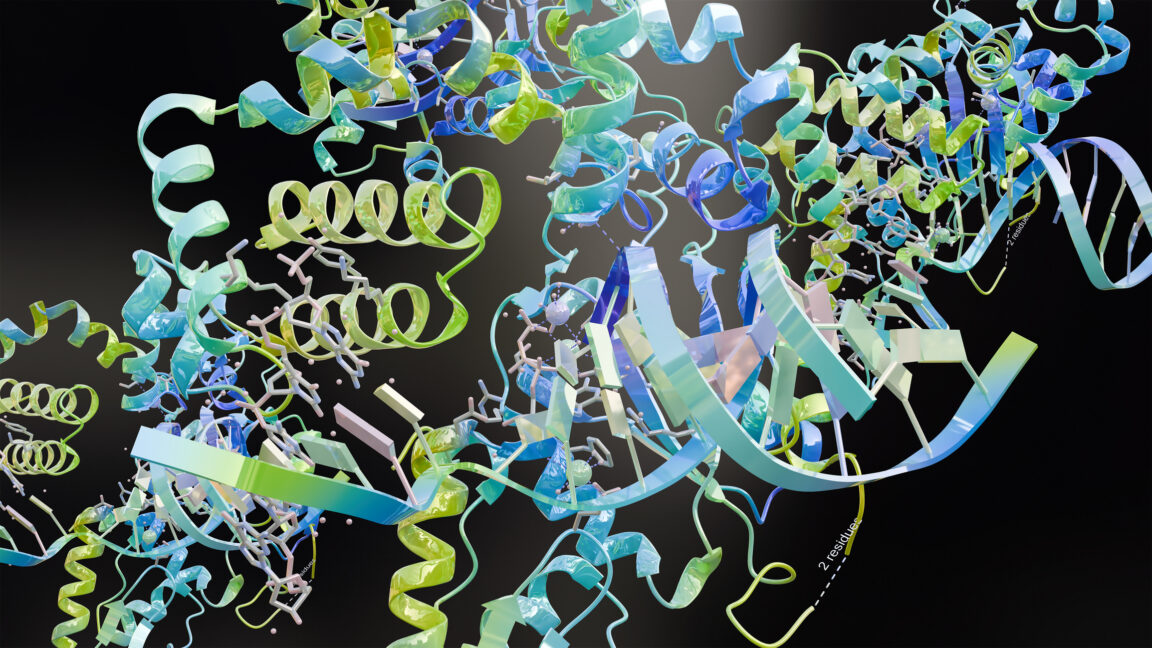
Google researchers have introduced a new method to watermark AI-designed proteins, addressing growing biosecurity concerns regarding the misuse of gen…