
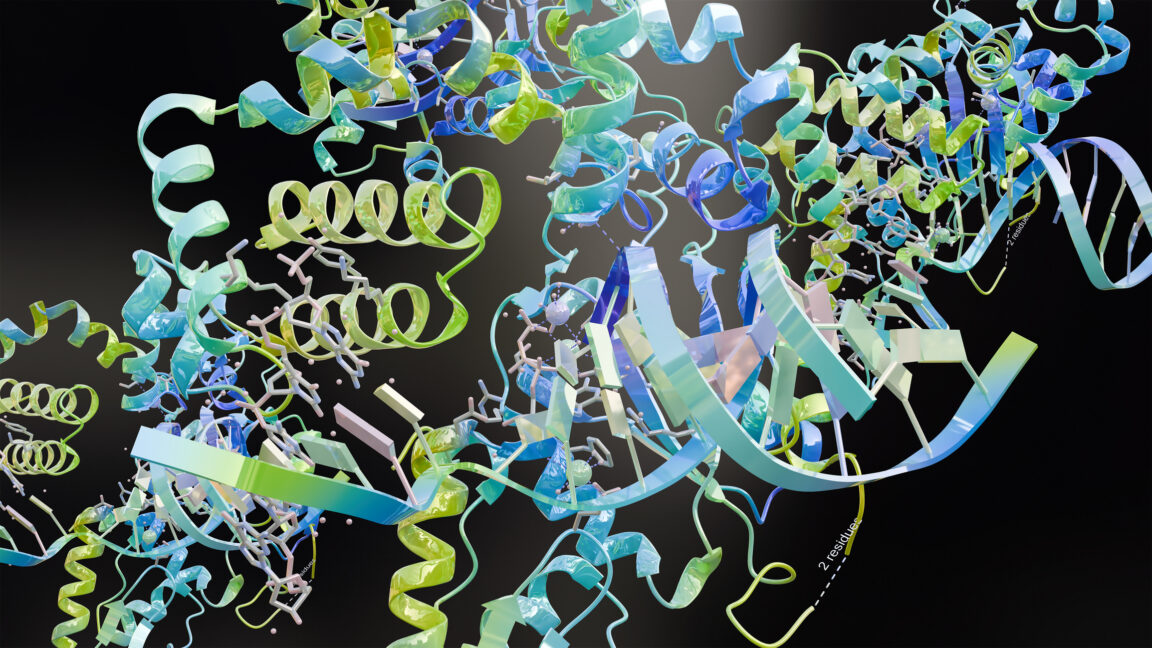
Google researchers have introduced a new method to watermark AI-designed proteins, addressing growing biosecurity concerns regarding the misuse of generative models. While AI tools have successfully created enzymes for plastic degradation and venom neutralization, the same technology could potentially be exploited to engineer toxins or harmful viral proteins. Current DNA screening software often fails to identify these synthetic sequences because they lack historical characterization. By embedding a digital watermark into the protein design process, researchers aim to provide a reliable way to distinguish synthetic sequences from natural ones. This development marks a significant step in proactive biosecurity, as it allows for the identification of AI-generated biological materials before they pose a threat. The initiative highlights the dual-use nature of protein design software and the necessity for robust oversight as generative AI continues to advance in the field of biotechnology.
This is a summary. Read the full article at the original source:
Ars TechnicaRelated stories

The author shares observations on cloud behavior in the mountains of Krasnaya Polyana during the summer. Unlike winter conditions, summer air contains…

A new study published in Nature reveals that the visual patterns on butterfly wings function similarly to the optical illusion seen in rotating barber…

A recent post on Andrew Gelman’s blog highlights the extraordinary academic output of Nicholas Polson, who has reportedly authored 258 academic papers…