
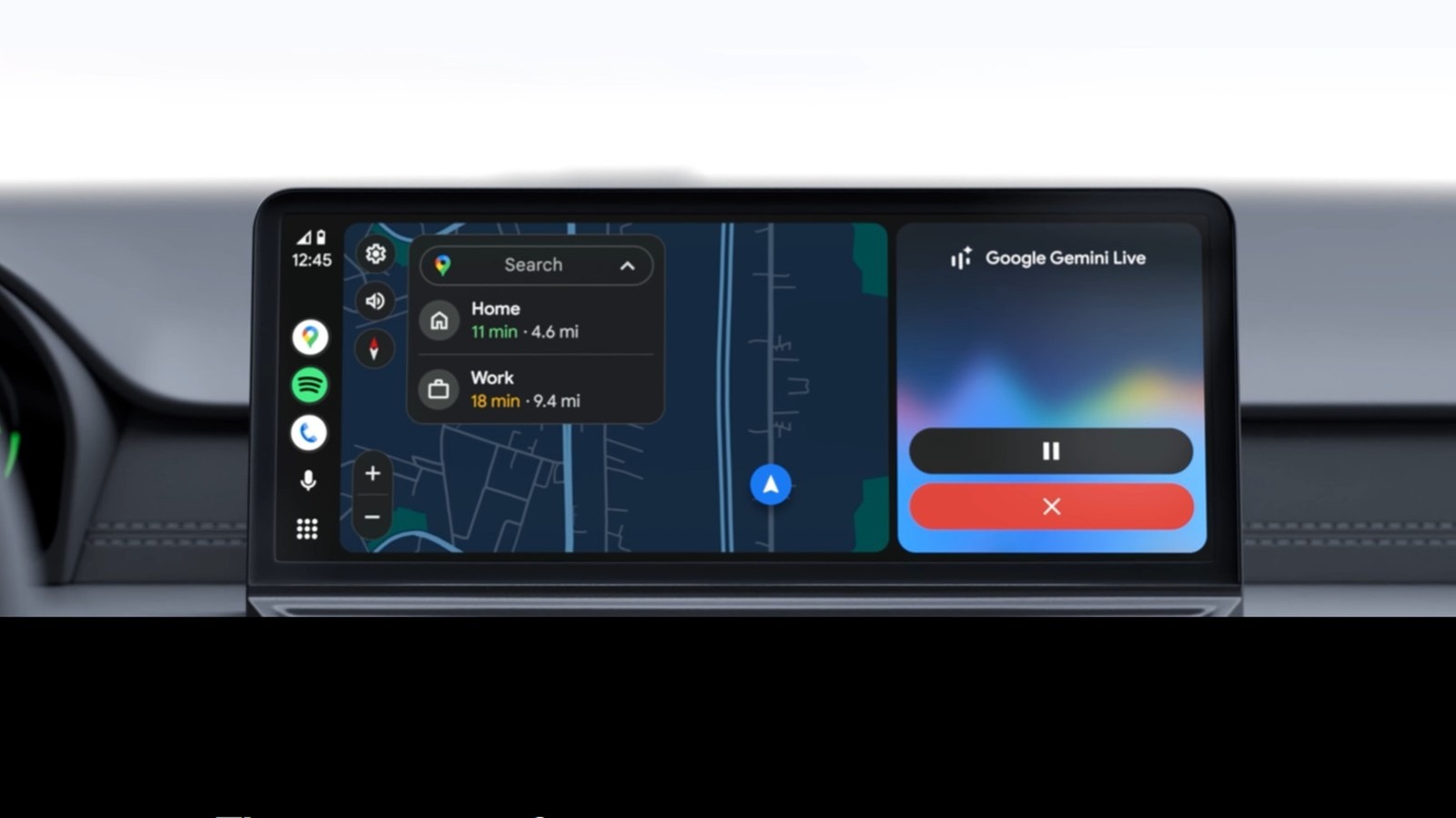
Wireless Android Auto offers a convenient, cable-free experience for drivers, allowing seamless integration between smartphones and vehicle infotainment systems. By eliminating the need for physical connections, it streamlines the user experience and reduces clutter in the cabin. However, transitioning to a wireless setup involves several trade-offs that users should consider. Performance can sometimes be inconsistent, with potential latency issues or connection drops compared to a stable wired connection. Furthermore, wireless projection consumes significantly more battery power on the smartphone, which may necessitate the use of a wireless charging pad during longer trips. Compatibility also remains a factor, as not all vehicle head units support the wireless standard. While the convenience of automatic connectivity is a major draw, users must weigh these benefits against the potential for increased power consumption and occasional technical instability to determine if the wireless experience is right for their daily commute.
This is a summary. Read the full article at the original source:
EngadgetRelated stories
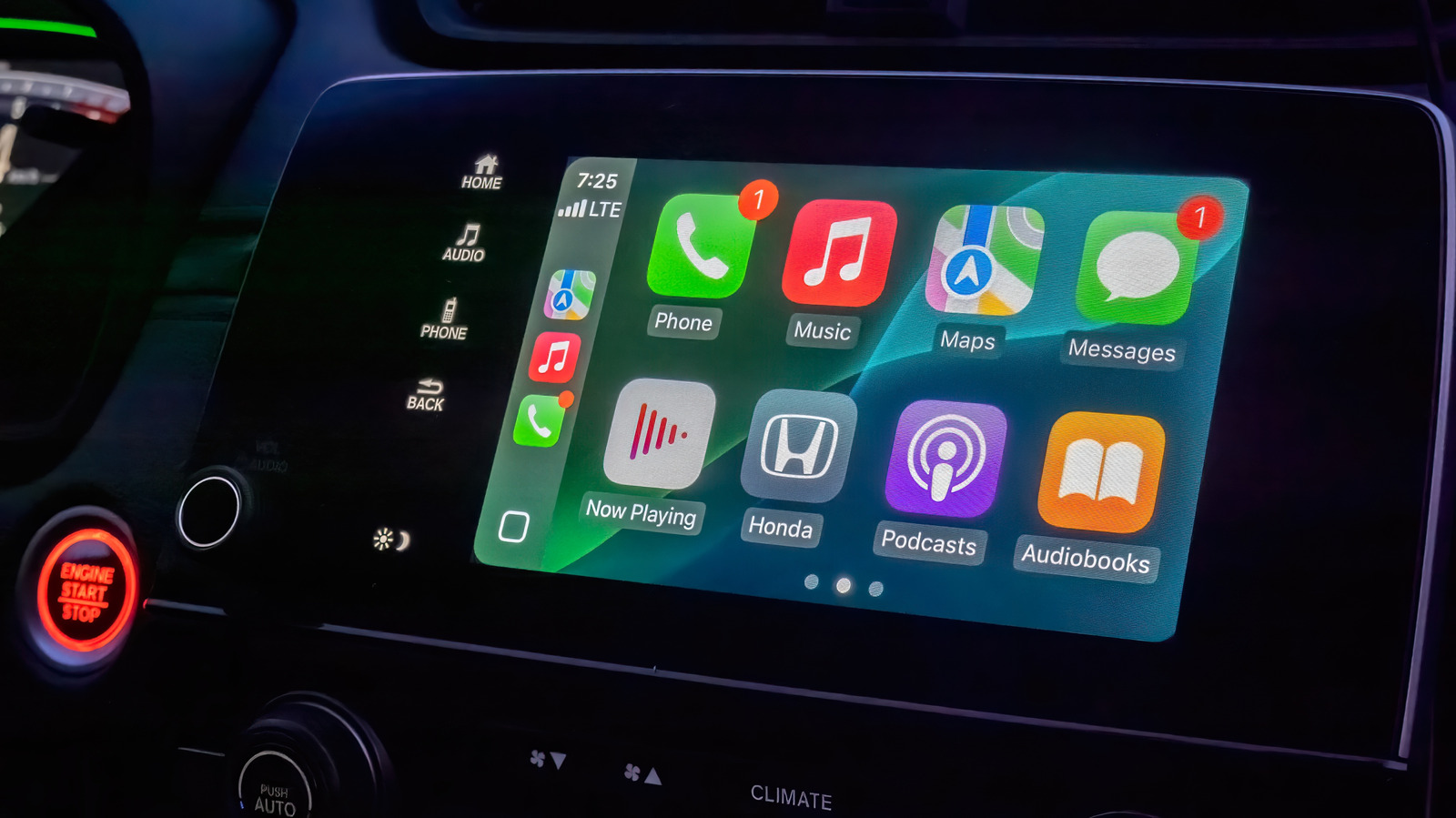
Apple CarPlay offers a streamlined interface for drivers, but while it lacks extensive customization options, users can still optimize their experienc…
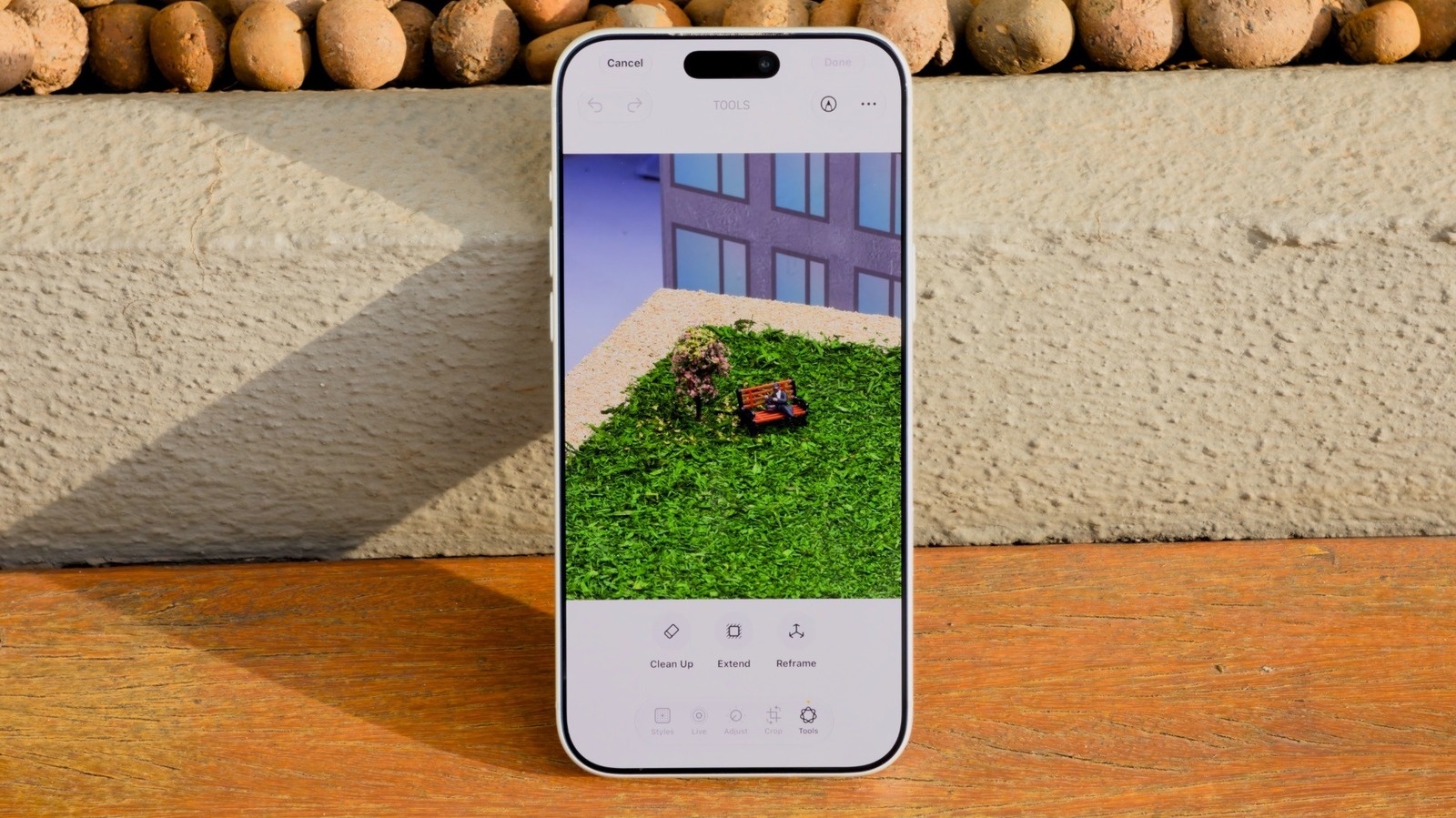
How to use the AI Clean Up tool in iOS 27 to remove unwanted objects in iPhone Photos
Apple's iOS 27 introduces significant enhancements to the Clean Up tool, a feature originally debuted in iOS 18 for removing unwanted elements from im…

As Apple's highly anticipated product event approaches, speculation regarding the branding of its first foldable device has reached a fever pitch. Whi…