
The 2008 economic crisis changed the US's relationship to energy
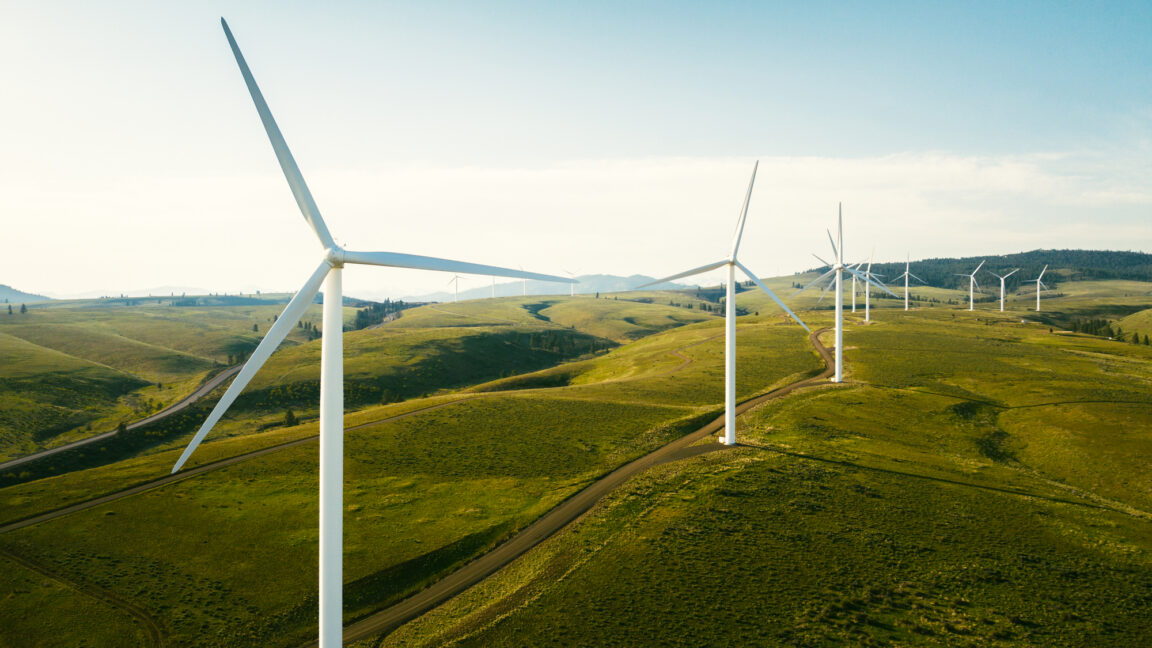
A recent analysis explores how the 2008 economic crisis fundamentally altered the United States' approach to energy consumption and production. While fossil fuels were historically credited with driving significant economic growth, the article argues that this perspective is increasingly limited. The long-term costs of such growth, manifested through climate change and extreme weather events, are now becoming impossible to ignore. As sea levels continue to rise, the economic burden of past carbon-heavy development is becoming clearer. The piece suggests that the narrative surrounding energy is shifting, as cleaner, more sustainable alternatives are now available. These modern technologies offer a path to maintain economic progress without imposing a massive carbon debt on future generations. The transition represents a critical pivot point in how the nation balances its immediate energy needs with the long-term necessity of environmental stability.
This is a summary. Read the full article at the original source:
Ars TechnicaRelated stories
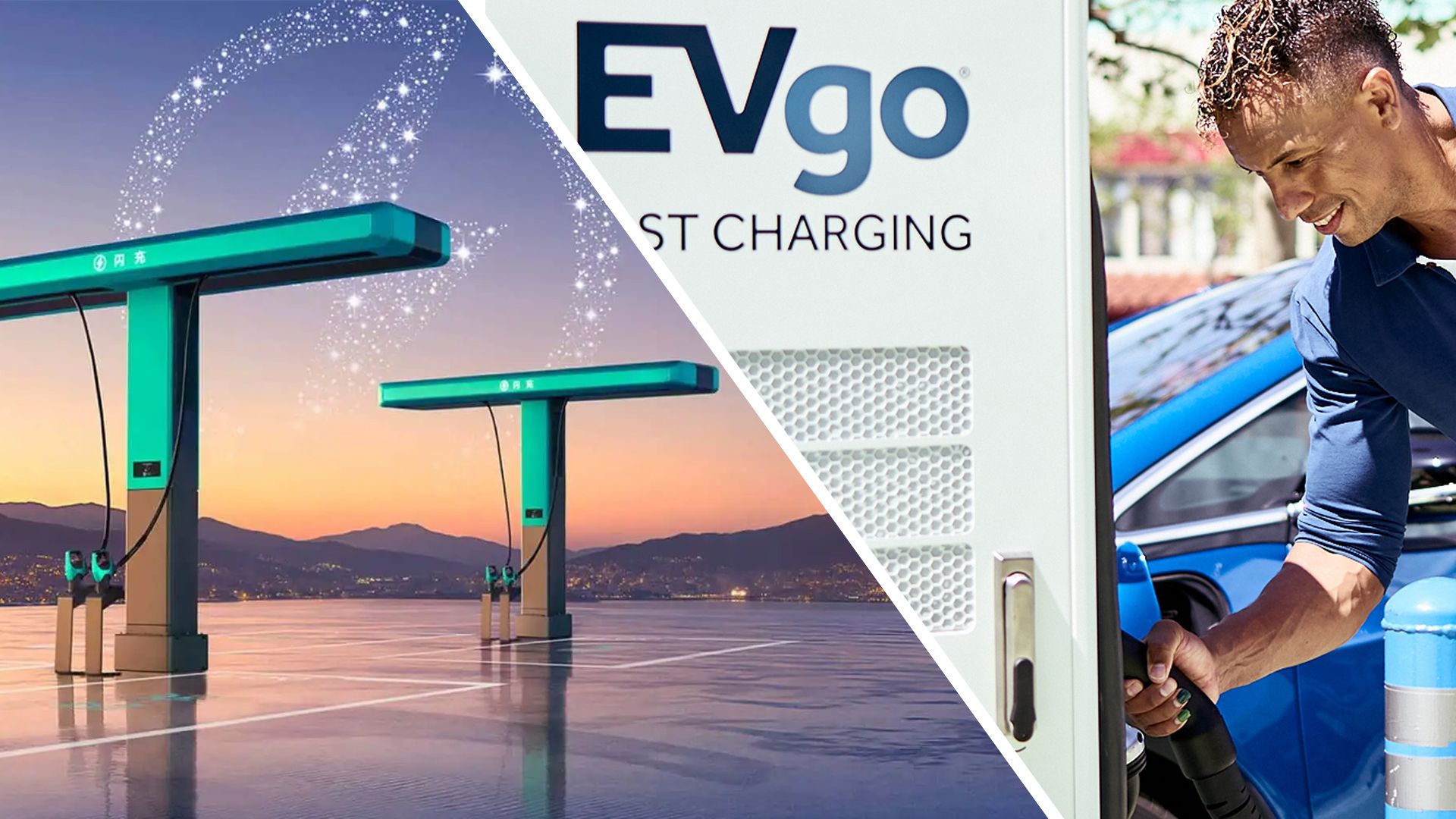
EVgo to launch 750kW ultra-fast charging stations in the US by 2027
Charging provider EVgo has announced plans to deploy new 750kW ultra-fast charging stations in the United States by 2027. These stations aim to reduce…

Rivian’s sales pop as the company’s big R2 bet starts to pay off
Rivian has reported strong growth in its third-quarter performance, signaling positive momentum for the electric vehicle manufacturer. The company pro…

Tesla reported sales of 486,532 electric vehicles for the third quarter of 2026, marking a 2.1 percent decline compared to the same period in 2025. De…