
Researchers create modern model scrolls to aid Herculaneum deciphering
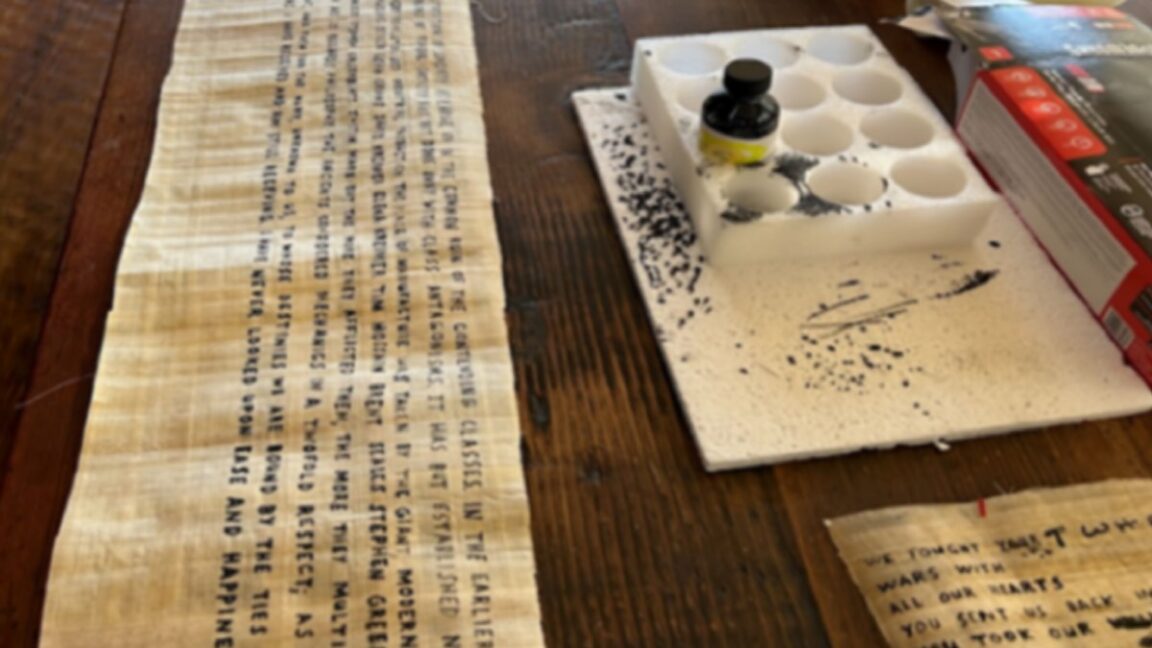
The Vesuvius Challenge, an initiative focused on digitally unwrapping and deciphering the charred Herculaneum scrolls, has received a technical boost. Researchers have developed a new method to identify which scrolls contain lead-based ink, making them prime candidates for analysis. To validate this screening process, the team created their own contemporary model papyrus scrolls, subjecting them to the same carbonization process as the originals. By simulating the conditions of the 79 AD volcanic eruption, the researchers can better calibrate their imaging techniques. This breakthrough, detailed in the journal PLoS ONE, offers a non-invasive way to prioritize the hundreds of fragile, unrolled scrolls recovered from the ancient Roman library. By identifying the presence of metallic ink before attempting full digital reconstruction, scientists hope to accelerate the recovery of lost philosophical texts from the library of Philodemus, potentially unlocking centuries of hidden Greek and Latin knowledge.
This is a summary. Read the full article at the original source:
Ars TechnicaRelated stories

NASA has officially canceled the ambitious Mars Sample Return (MSR) mission, a flagship project intended to retrieve geological samples collected by t…

In a recent episode of the Mindscape podcast, Google VP Blaise Agüera y Arcas discussed fundamental questions regarding the origin of life through the…
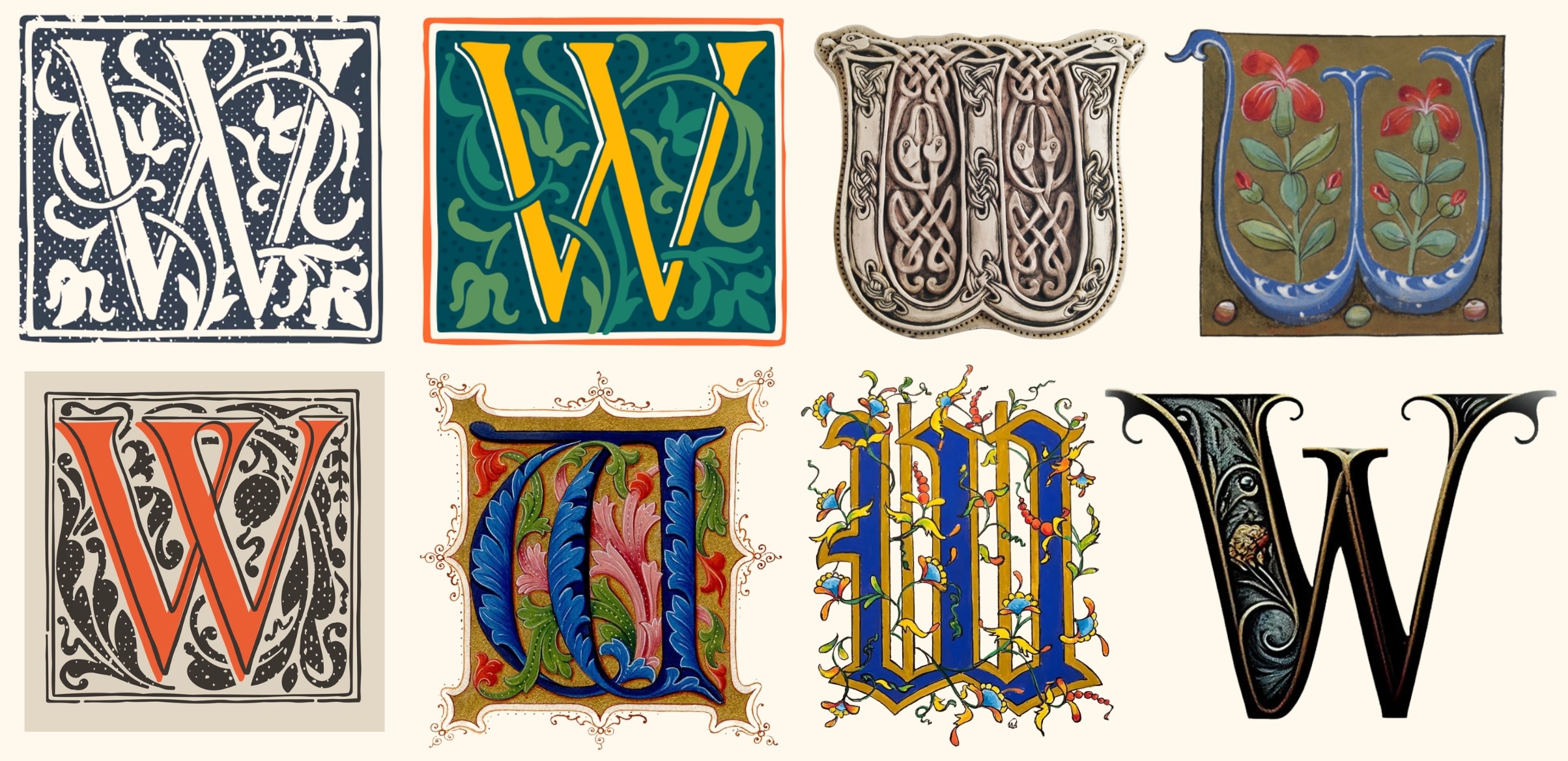
The letter 'W' holds a unique position in the English alphabet, distinguished by its complex origins and unusual phonetic evolution. Unlike most lette…