
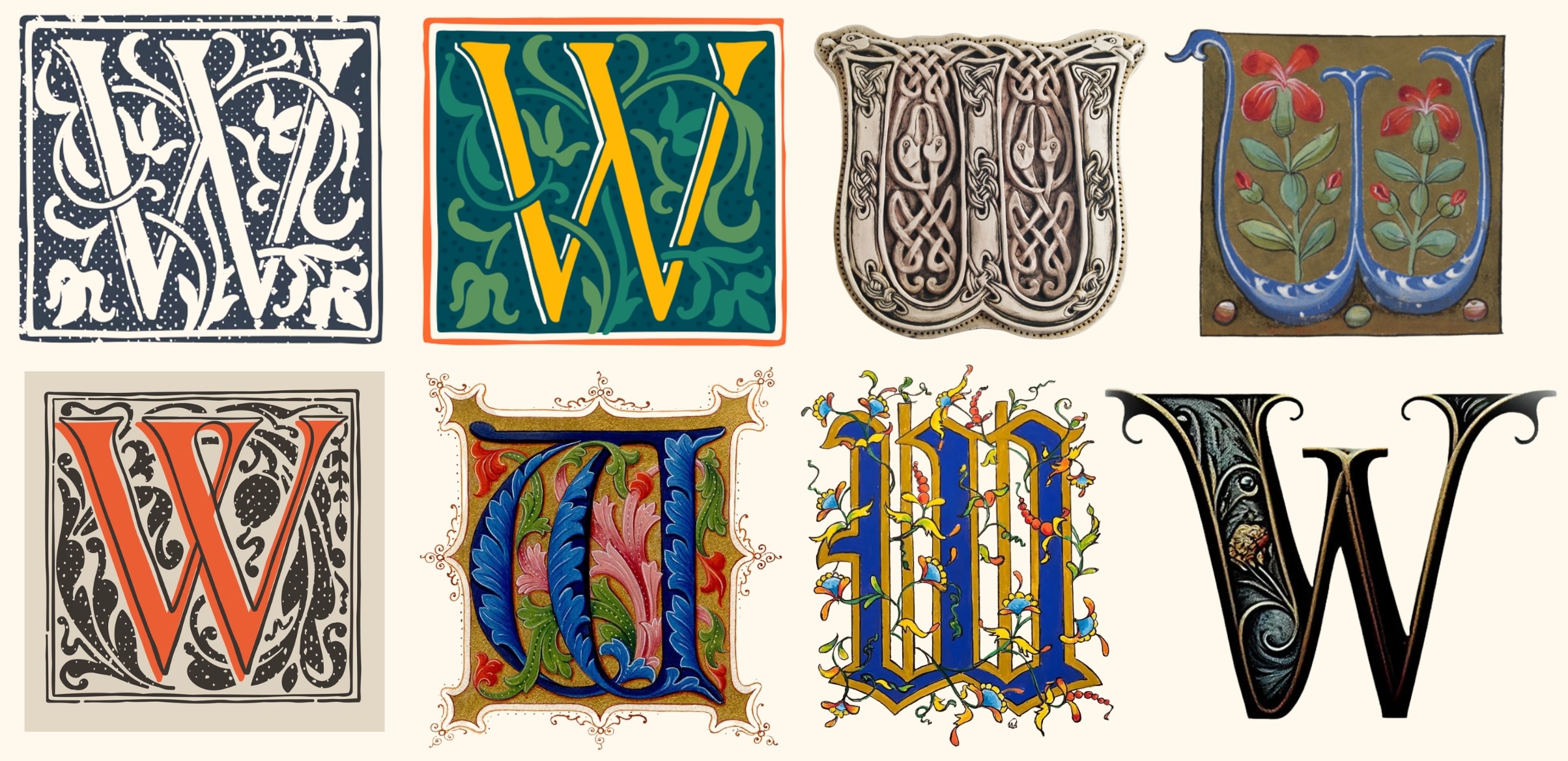
The letter 'W' holds a unique position in the English alphabet, distinguished by its complex origins and unusual phonetic evolution. Unlike most letters that trace their lineage back to ancient Phoenician or Greek scripts, 'W' is a relatively modern addition. It emerged during the Middle Ages as a literal 'double-u,' created by scribes to represent a sound that existing Latin characters could not adequately capture. This article explores the linguistic journey of the character, detailing how it transitioned from a ligature of two 'u's to a distinct grapheme. By examining its development through Old English and the influence of the printing press, the author highlights why 'W' remains the only letter in the alphabet whose name describes its own visual form. This historical analysis provides a fascinating look at the fluidity of language and the practical adaptations that shaped the modern writing system we use today.
This is a summary. Read the full article at the original source:
Hacker News (YC)Related stories

NASA has officially canceled the ambitious Mars Sample Return (MSR) mission, a flagship project intended to retrieve geological samples collected by t…

In a recent episode of the Mindscape podcast, Google VP Blaise Agüera y Arcas discussed fundamental questions regarding the origin of life through the…

A new study led by geochemists at the University of California, Los Angeles, has provided fresh insights into the physiology of the Tyrannosaurus rex.…