
Blaise Agüera y Arcas on the emergence of replication and computation in Brainfuck

In a recent episode of the Mindscape podcast, Google VP Blaise Agüera y Arcas discussed fundamental questions regarding the origin of life through the lens of computer simulations. Researchers explored whether random processes in an idealized environment could lead to the emergence of self-replicating systems. Using the Brainfuck programming language, the authors of a new study demonstrated that under certain initial conditions, random code sequences can evolve into complex, life-like structures. This experiment raises a significant scientific question: is computation a natural attractor in dynamic systems? If so, the emergence of life might not be a unique biological event, but a logical consequence of physical processes, expanding our understanding of life's prevalence in the universe. The discussion touches on evolution, information theory, and how simple rules generate complex behavior, marking a significant contribution to understanding how biological organization emerges from chaos.
This is a summary. Read the full article at the original source:
HabrRelated stories

NASA has officially canceled the ambitious Mars Sample Return (MSR) mission, a flagship project intended to retrieve geological samples collected by t…

The letter 'W' holds a unique position in the English alphabet, distinguished by its complex origins and unusual phonetic evolution. Unlike most lette…
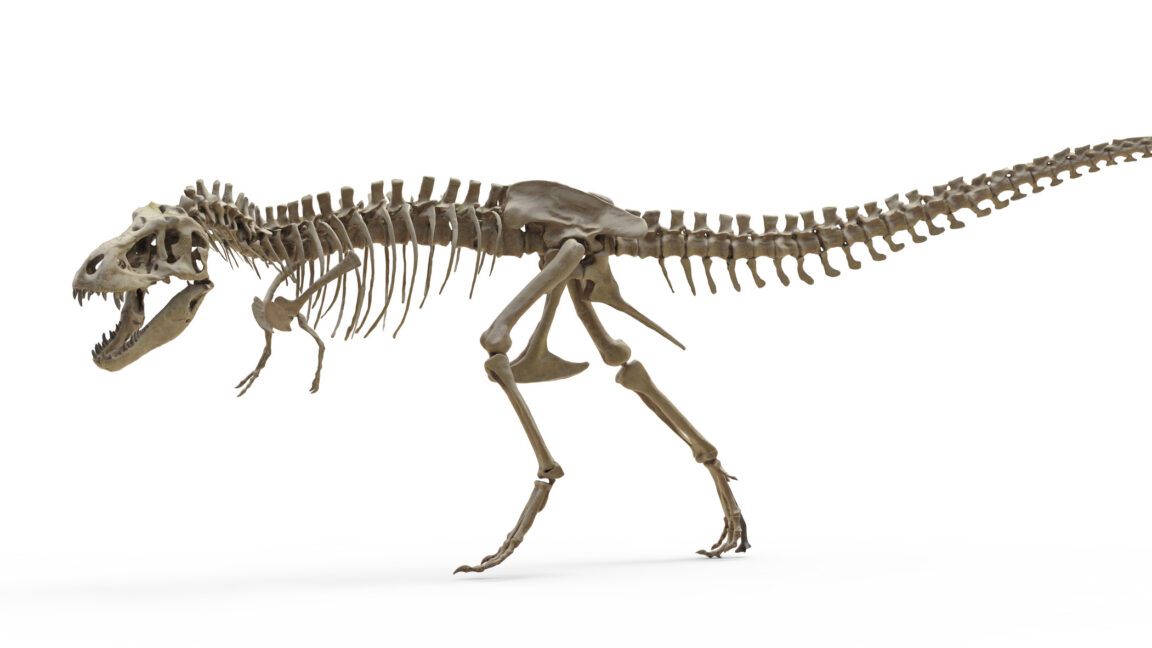
A new study led by geochemists at the University of California, Los Angeles, has provided fresh insights into the physiology of the Tyrannosaurus rex.…