
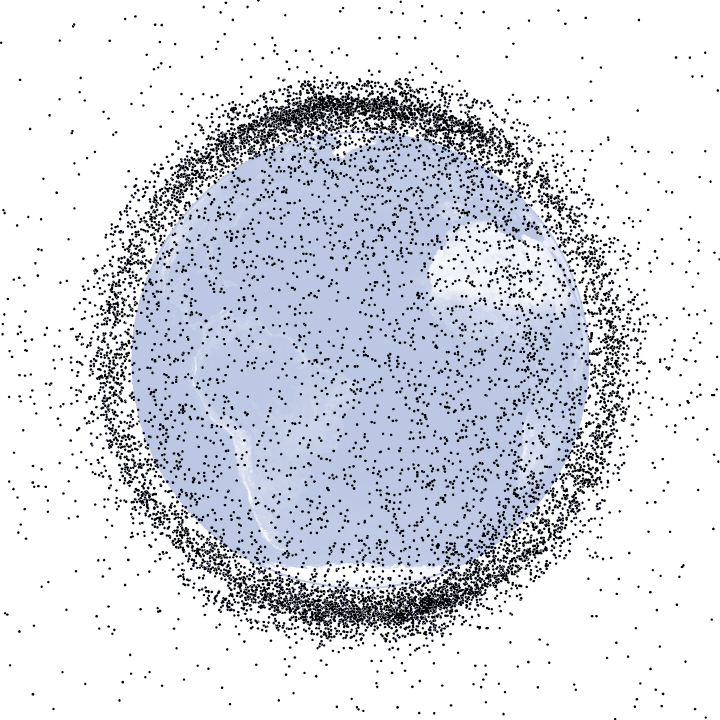
There are about 17,000 active satellites in Earth's orbit, but the space is also filled with a vast amount of orbital debris, including spent rocket stages, defunct spacecraft, and small fragments. Unlike large objects that can be tracked, small debris poses a serious threat due to its unpredictability. Experts from the European Space Agency (ESA) warn that the problem is worsening with the increase in new satellite constellations. Contrary to popular belief, debris does not always burn up quickly in the atmosphere; at certain altitudes, it can remain for centuries. The accumulation of debris creates the risk of the Kessler syndrome, which could render near-Earth space unusable. Experts emphasize the need for orbital cleanup strategies and a more responsible approach to launching new hardware to ensure that space remains accessible for future generations.
This is a summary. Read the full article at the original source:
HabrRelated stories
The author presents a revised version of their article dedicated to a deep understanding of quantum mechanics. The material is based on Richard Feynma…
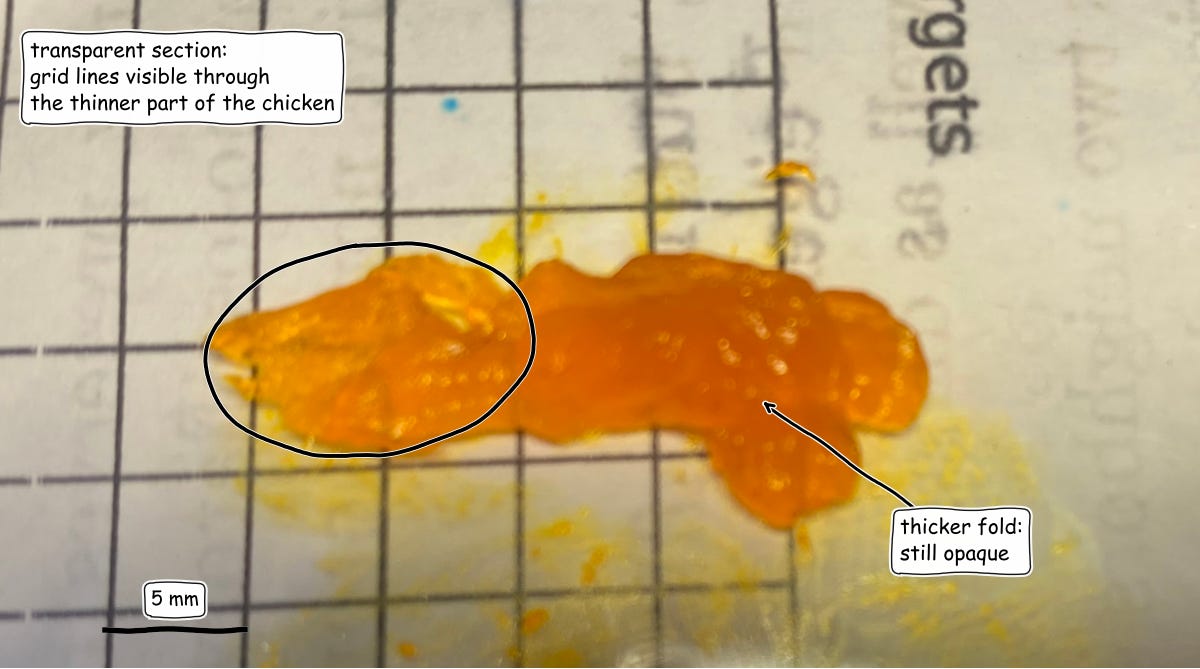
A recent experiment shared on Substack explores the fascinating intersection of food science and optics by attempting to make chicken tissue transpare…

A recent study published in Wired reveals that microplastics, long considered chemically inert, possess the capacity to react with water molecules. Th…