
Microplastics React With Water, a New Study Says. That’s a Problem for Biology

A recent study published in Wired reveals that microplastics, long considered chemically inert, possess the capacity to react with water molecules. This discovery challenges previous assumptions regarding the environmental stability of plastic particles. Researchers found that when microplastics interact with water, they can undergo chemical changes that potentially alter their toxicity and behavior in biological systems. Given the ubiquity of microplastics in the environment and their presence within human bodies, this reactivity poses significant concerns for public health and ecological safety. The findings suggest that the interaction between these synthetic materials and water could facilitate the transport of harmful substances or create new, reactive compounds that interact negatively with living cells. This study highlights the urgent need for further research into the long-term biological impacts of microplastic degradation and its implications for global health and environmental policy.
This is a summary. Read the full article at the original source:
WiredRelated stories
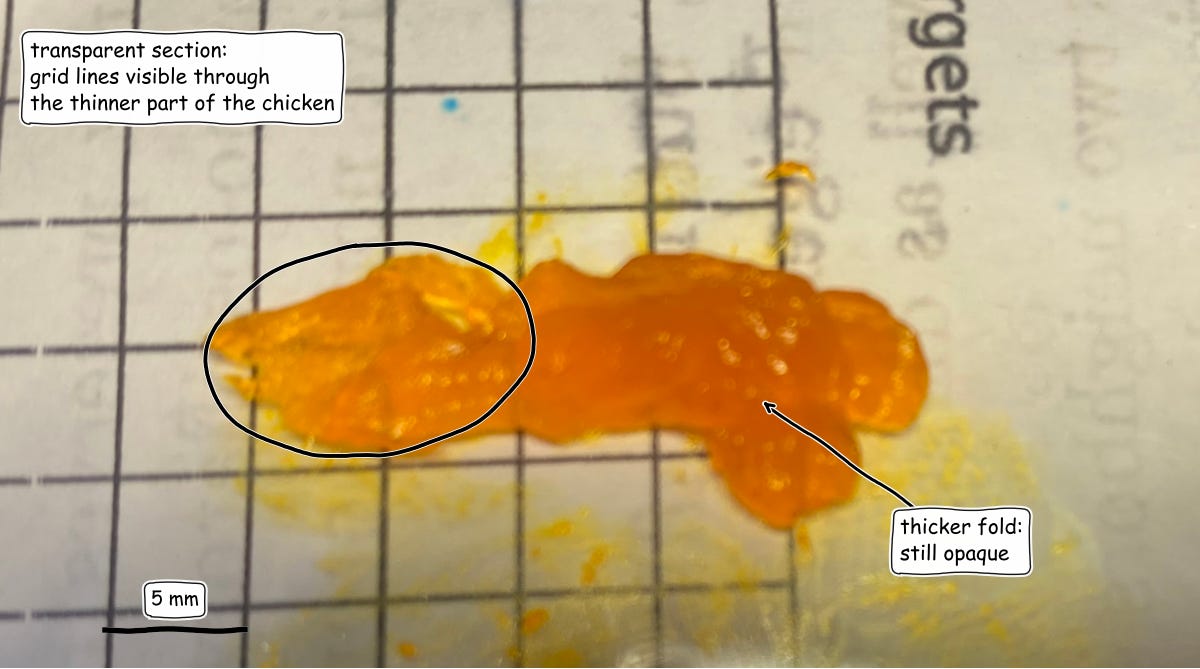
A recent experiment shared on Substack explores the fascinating intersection of food science and optics by attempting to make chicken tissue transpare…

This article explores the life and career of Margaret Hamilton, a prominent mathematician and software engineer who played a pivotal role in the succe…

An article on Habr presents a new theory regarding the causes of the plane crash on March 27, 1968, which claimed the lives of Yuri Gagarin and Vladim…