
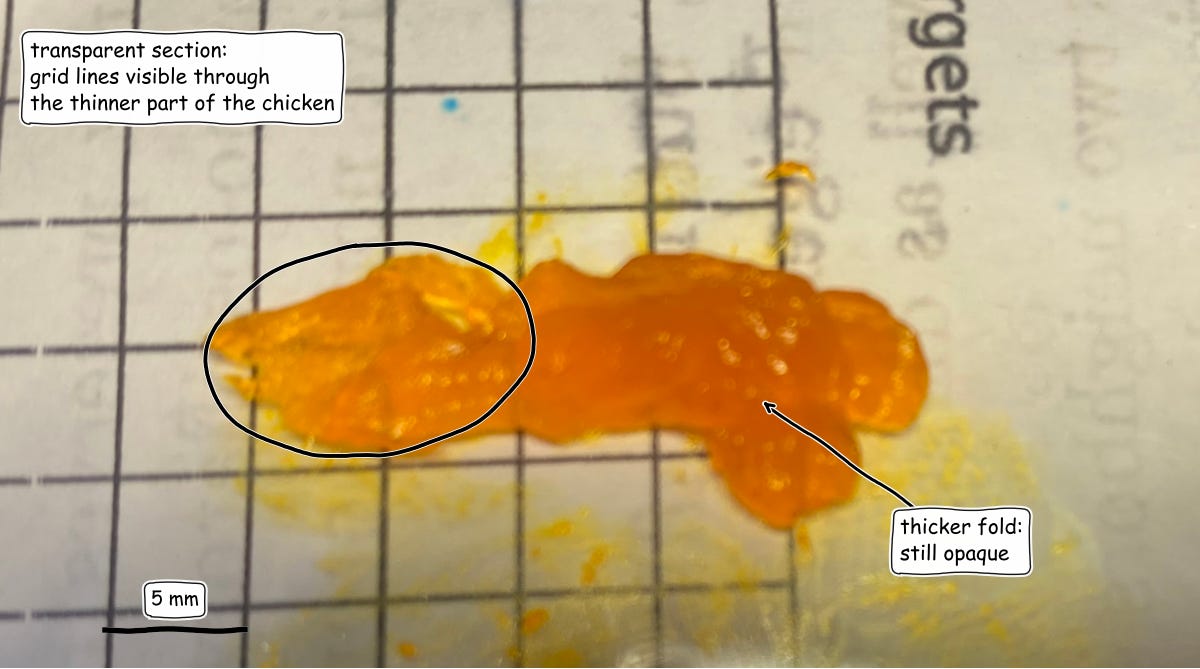
A recent experiment shared on Substack explores the fascinating intersection of food science and optics by attempting to make chicken tissue transparent using common household items, including Dorito dust. The process relies on the principles of refractive index matching, a technique often used in biological imaging to clear tissues. By applying specific chemical agents—and in this playful instance, experimenting with snack-based additives—the author demonstrates how altering the light-scattering properties of biological matter can render opaque objects translucent. While the experiment is presented with a humorous tone, it highlights genuine scientific concepts regarding how light interacts with cellular structures. The post serves as an accessible entry point into the world of tissue clearing, encouraging readers to consider the physics behind everyday materials. It remains a unique example of how amateur science can demystify complex laboratory techniques through unconventional and engaging methods.
This is a summary. Read the full article at the original source:
Hacker News (YC)Related stories

A recent study published in Wired reveals that microplastics, long considered chemically inert, possess the capacity to react with water molecules. Th…
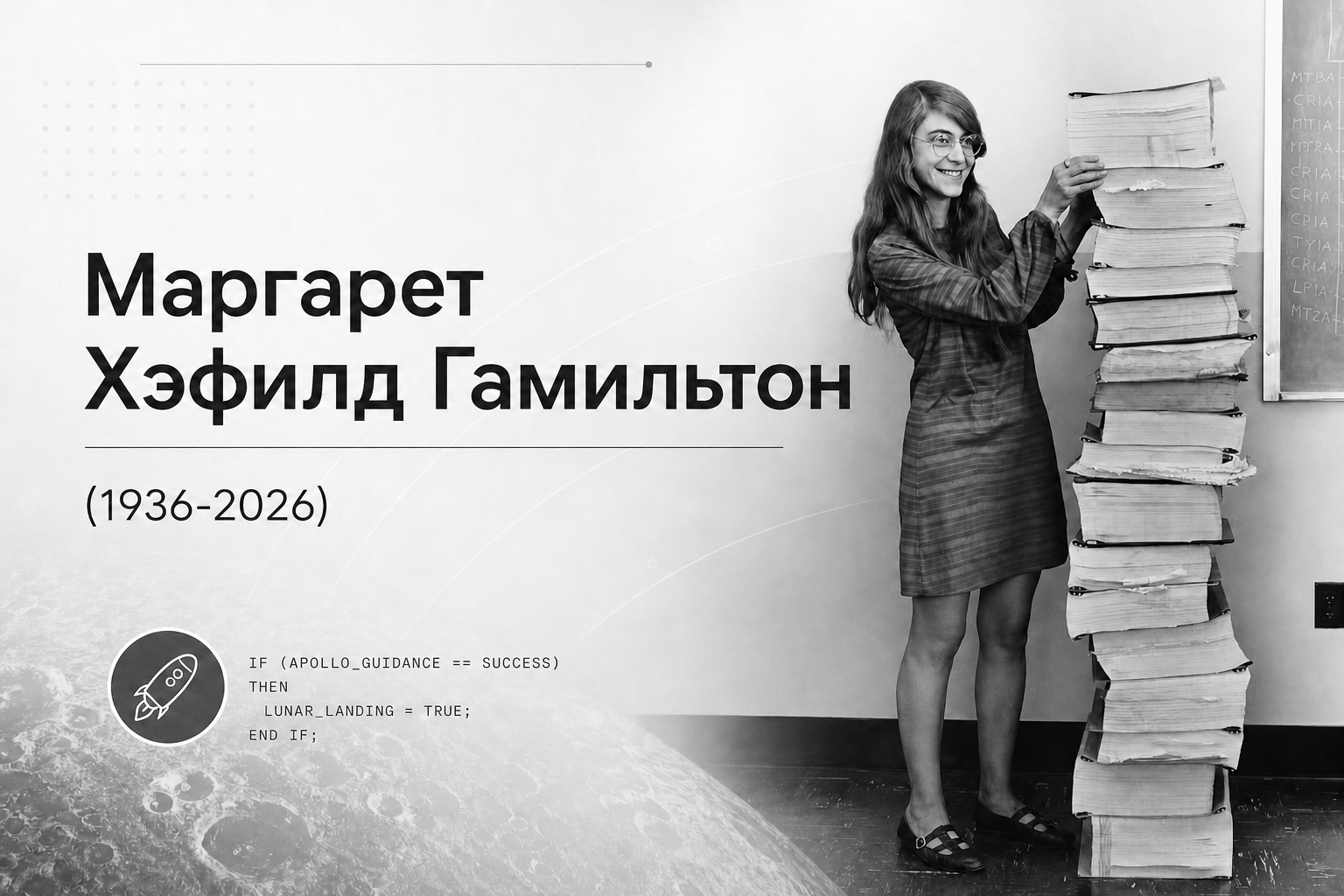
This article explores the life and career of Margaret Hamilton, a prominent mathematician and software engineer who played a pivotal role in the succe…

An article on Habr presents a new theory regarding the causes of the plane crash on March 27, 1968, which claimed the lives of Yuri Gagarin and Vladim…