
One Rust Unicode Bug, Three Coding Models: A Reproducible Comparison

A recent article on Dev.to proposes a standardized method for evaluating the coding capabilities of Large Language Models (LLMs) using a specific Rust programming challenge. The author highlights a common bug where slicing a UTF-8 string at a byte boundary causes a panic when encountering multibyte Unicode characters. By using this reproducible bug as a benchmark, the author compares the performance of DeepSeek V4 Pro, Claude Fable 5.1, and Grok Build 0.1. Instead of relying on subjective leaderboard scores, the evaluation focuses on objective criteria: whether the model's patch compiles, passes regression tests, and correctly handles edge cases like emoji and combining characters without introducing unnecessary dependencies. The article provides a structured framework for developers to conduct their own benchmarks, emphasizing that the best coding model is often task-dependent and best judged through rigorous, reproducible testing rather than marketing claims.
This is a summary. Read the full article at the original source:
Dev.toRelated stories

Claude Code Parallel Subagent Patterns: Fan-Out, Fan-In, and Synchronization Strategies That Actually Work
This article explores effective strategies for managing parallel AI subagents in software development, specifically addressing the common pitfalls of…

Sphinx is a new developer tool designed to improve the reliability of AI-generated code before it is committed to a repository. Functioning as a Git h…
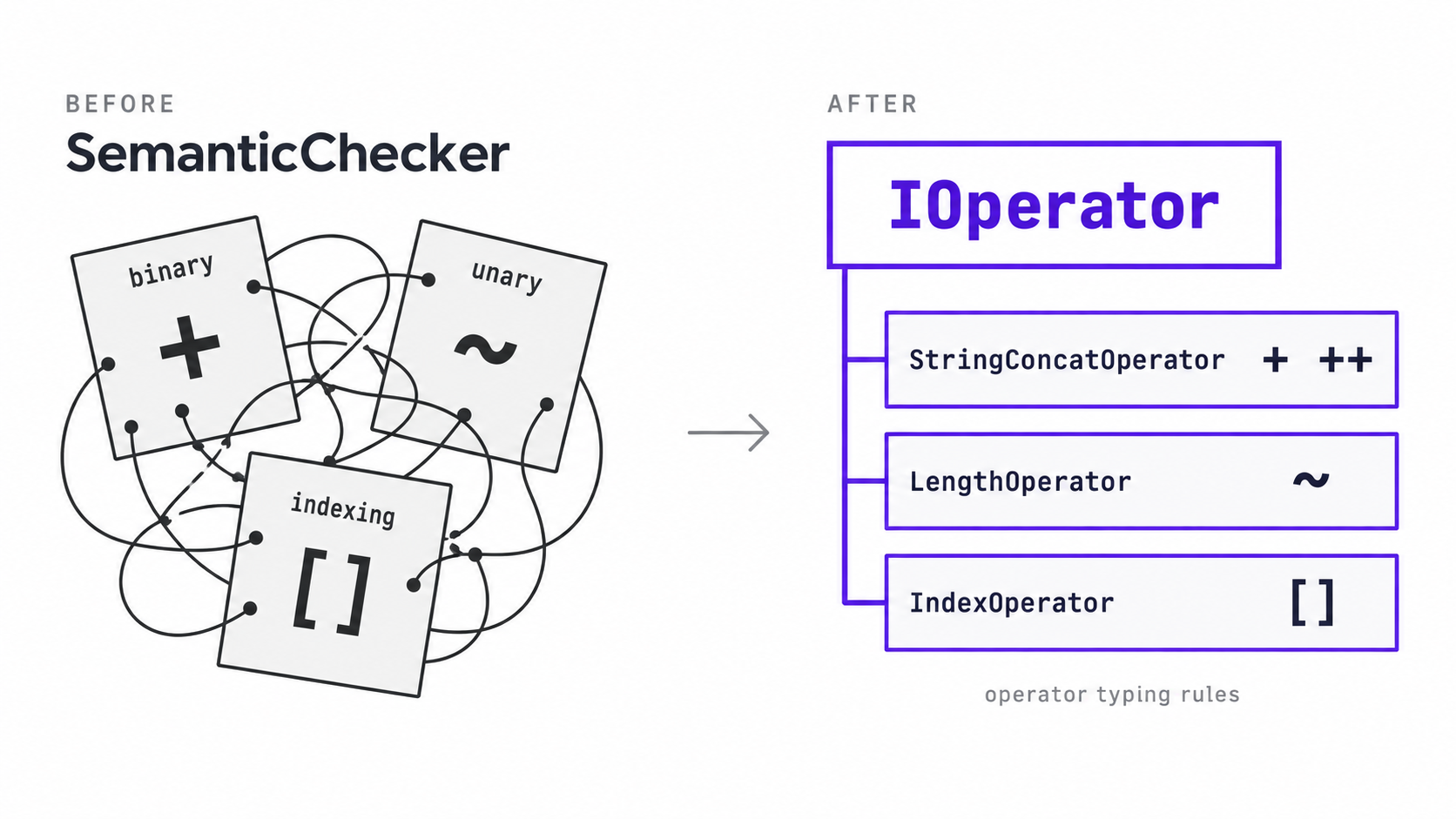
The creator of HydraScript, an interpreted programming language written in C#, discusses the process of implementing string indexing and length retrie…