
Claude Code Parallel Subagent Patterns: Fan-Out, Fan-In, and Synchronization Strategies That Actually Work

This article explores effective strategies for managing parallel AI subagents in software development, specifically addressing the common pitfalls of context pollution and merge conflicts. The author argues that treating subagents as independent workers in a shared codebase leads to inefficiency. Instead, the article proposes a structured approach using 'fan-out' with bounded concurrency (typically 3-5 agents), path isolation, and 'fan-in' with dependency-aware result merging. By implementing phase-based execution and synchronization barriers, teams can avoid race conditions and significantly reduce wall time for large-scale refactors or monorepo analysis. The piece emphasizes that successful parallelization requires careful orchestration to ensure that merge overhead remains low and that the final codebase state is deterministic. Practical examples, including TypeScript implementations for partitioning tasks, illustrate how to maintain context limits while scaling AI-assisted development workflows effectively.
This is a summary. Read the full article at the original source:
Dev.toRelated stories

One Rust Unicode Bug, Three Coding Models: A Reproducible Comparison
A recent article on Dev.to proposes a standardized method for evaluating the coding capabilities of Large Language Models (LLMs) using a specific Rust…

Sphinx is a new developer tool designed to improve the reliability of AI-generated code before it is committed to a repository. Functioning as a Git h…
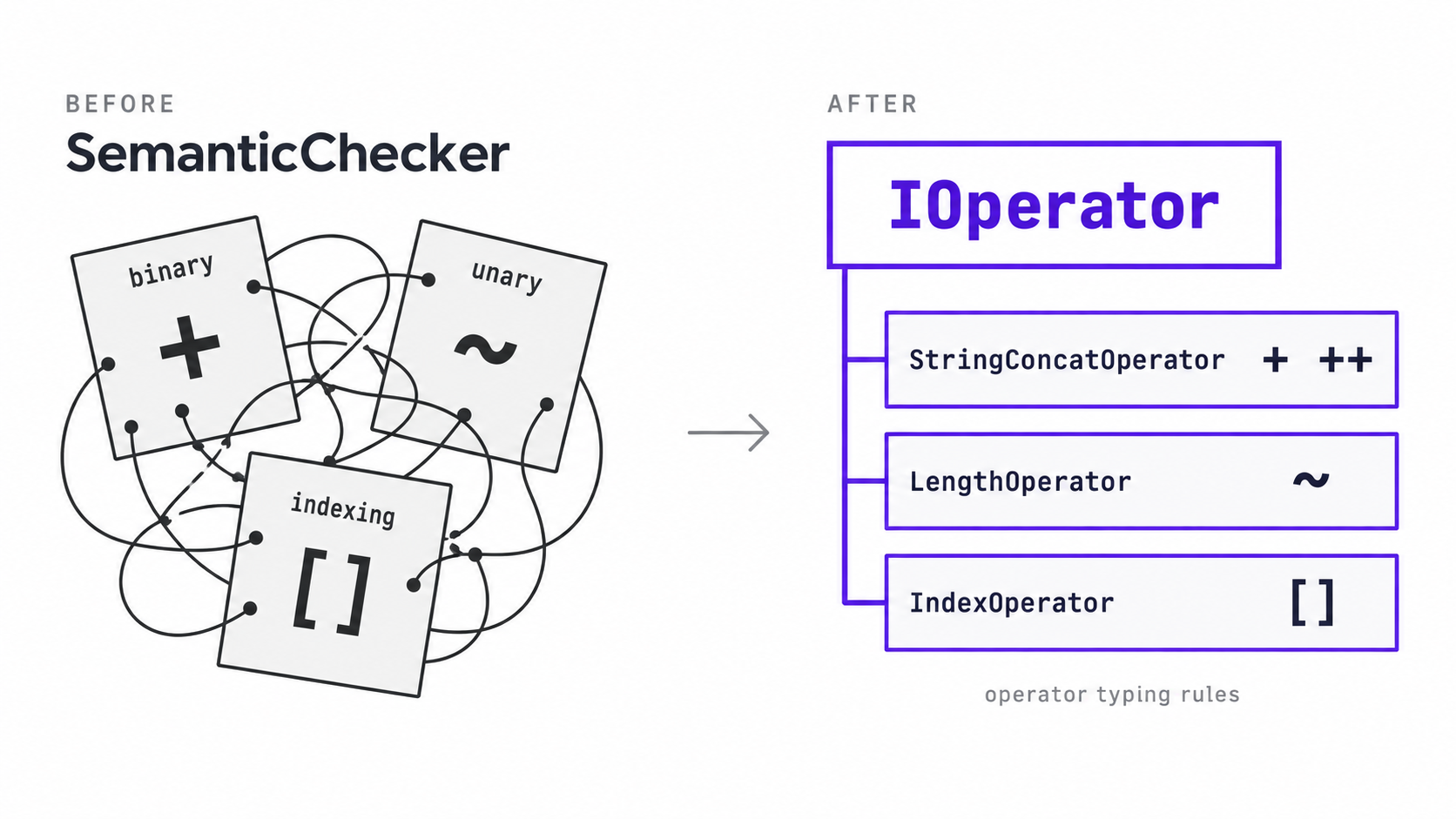
The creator of HydraScript, an interpreted programming language written in C#, discusses the process of implementing string indexing and length retrie…