

The emergence of autonomous vehicles is prompting global regulators to rethink traditional automotive safety standards. Current crash testing protocols are designed for vehicles with human drivers sitting in upright positions, often utilizing seatbelts and airbags in specific configurations. However, as self-driving cars allow for interior designs where passengers may lie down, swivel, or face away from the road, these legacy safety metrics are becoming obsolete. Governments and safety organizations are now exploring how to update testing methodologies to account for non-traditional seating arrangements and the unique risks associated with driverless cabins. This shift represents a fundamental change in how the industry approaches occupant protection, moving away from human-centric driving postures toward a more flexible, technology-driven safety framework. As the industry evolves, the challenge lies in balancing innovative vehicle designs with the rigorous protection standards required to prevent serious injuries in the event of a collision.
This is a summary. Read the full article at the original source:
WiredRelated stories
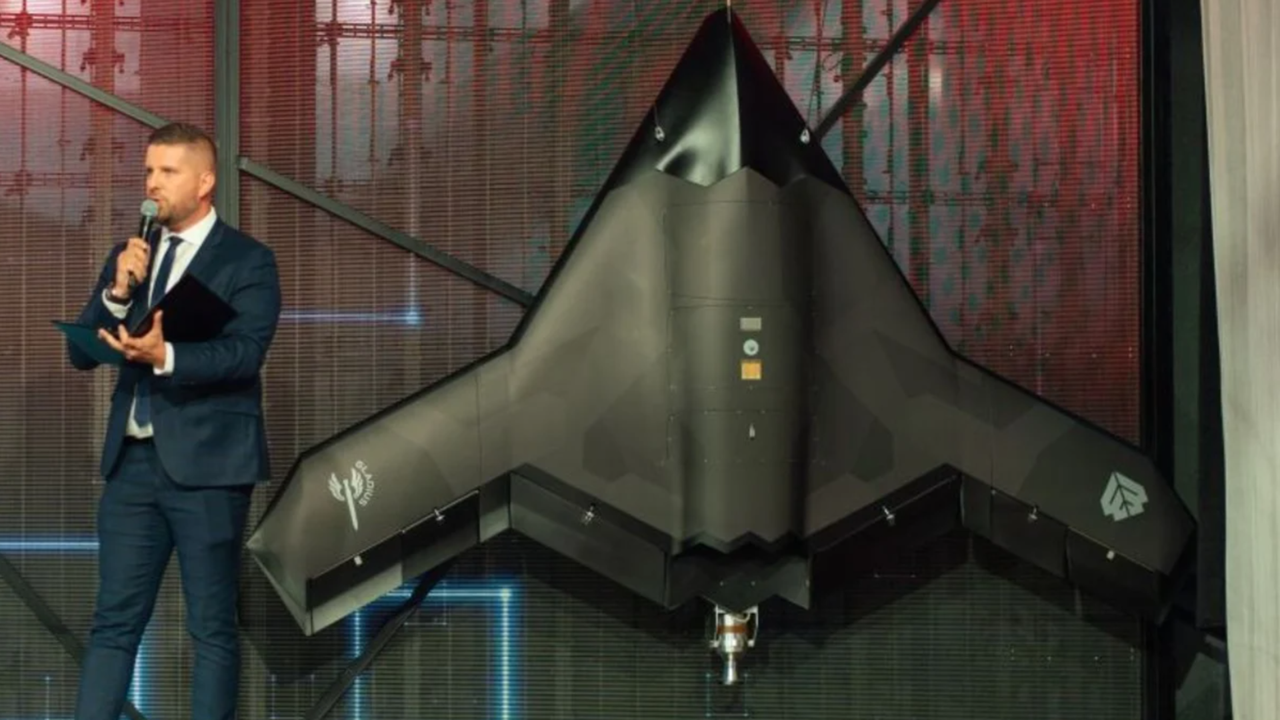
New Polish jet-powered drone looks a lot like a miniature B-2 Spirit stealth bomber, and there's a good reason why
Polish defense manufacturer WB Group has unveiled the Gladius 2, a new jet-powered loitering munition featuring a distinct flying-wing design reminisc…
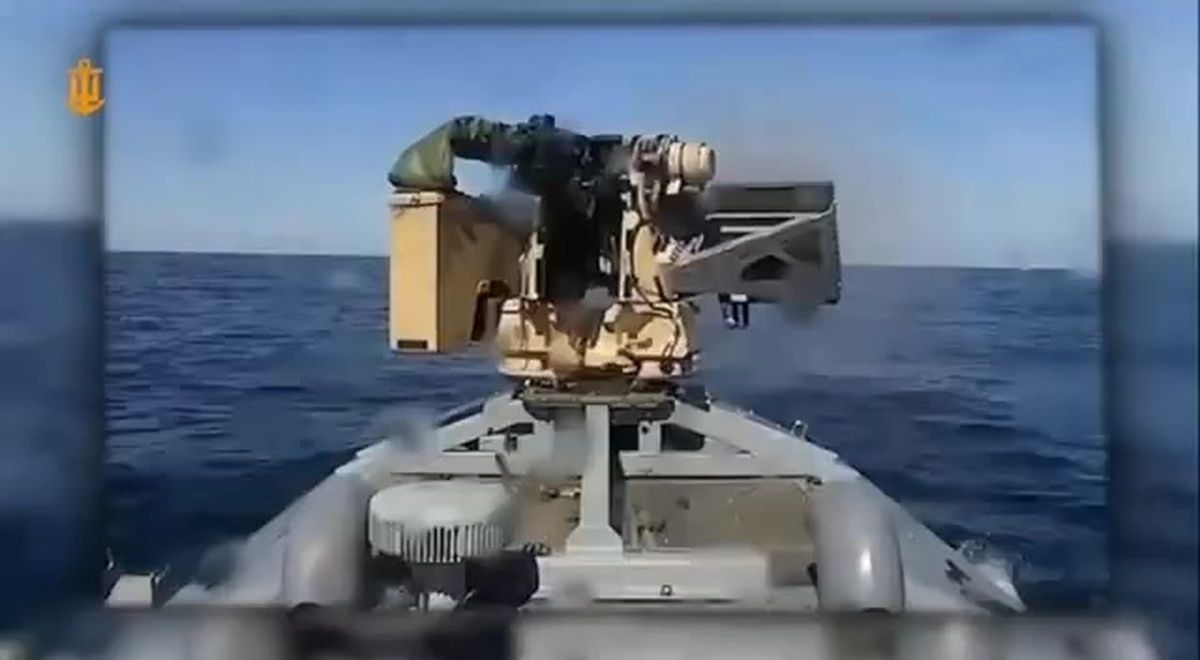
The Ukrainian Navy has reported the first recorded combat engagement between two autonomous naval drones in the Black Sea. According to reports, a Ukr…
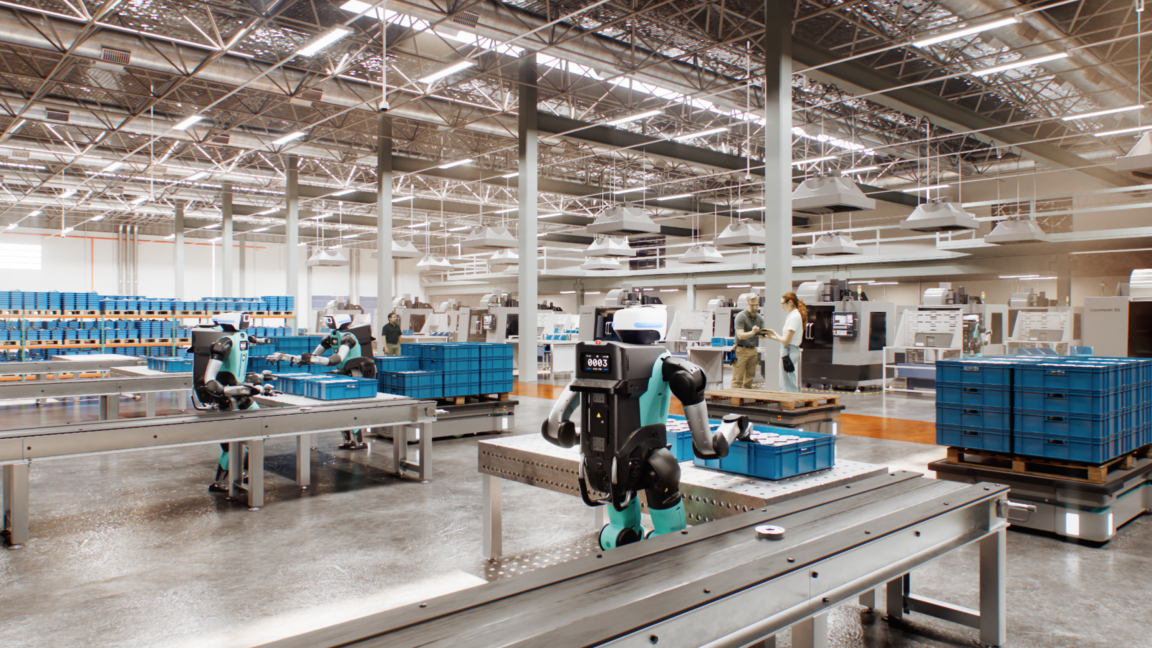
Agility Robotics has unveiled its latest humanoid robot, Digit 5, specifically engineered to operate safely alongside human workers. Unlike traditiona…