
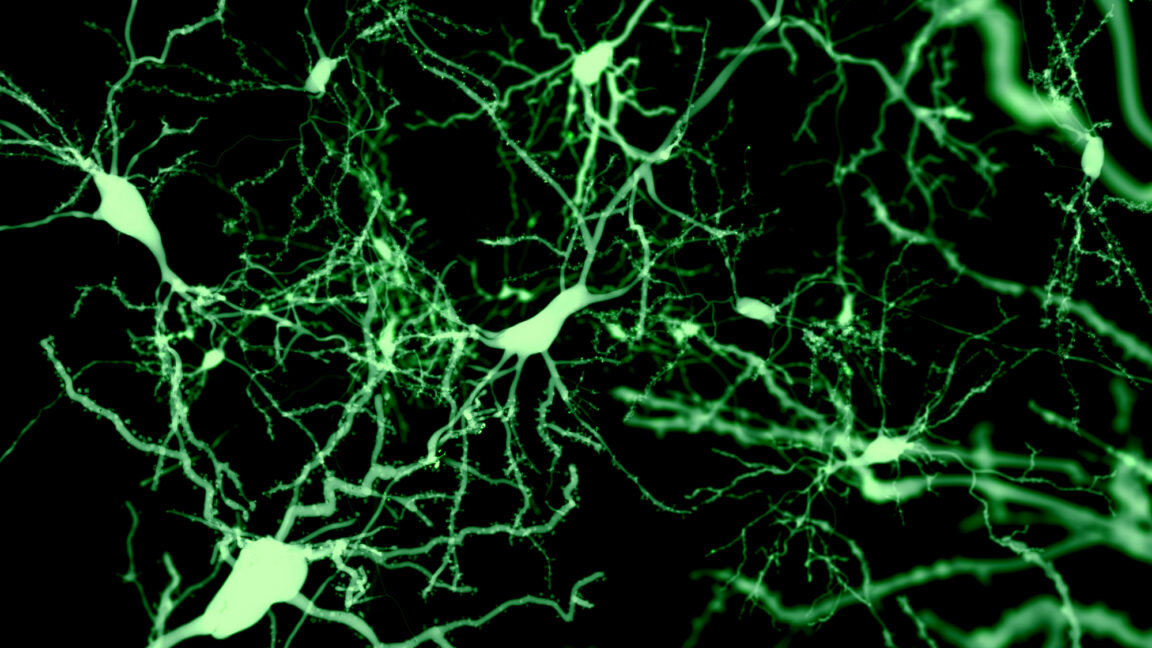
A recent study published in Nature by researchers at the Albert Einstein College of Medicine challenges the traditional understanding of how sleep is regulated. Historically, neuroscientists believed that the cerebral cortex was merely a passive recipient of sleep signals originating from deep within the brain. However, neuroscientists Geoffrey Terral and Renata Batista-Brito have identified a specific population of inhibitory neurons within the cortex that can independently initiate sleep. These cells, which represent approximately one percent of the cortex's inhibitory neurons, were shown to be sufficient to induce sleep when activated in mice. This discovery suggests that the cortex plays a more active, self-regulating role in sleep cycles than previously assumed, potentially shifting the focus of future sleep research toward cortical mechanisms rather than solely relying on subcortical control models.
This is a summary. Read the full article at the original source:
Ars TechnicaRelated stories

NASA has officially canceled the ambitious Mars Sample Return (MSR) mission, a flagship project intended to retrieve geological samples collected by t…

In a recent episode of the Mindscape podcast, Google VP Blaise Agüera y Arcas discussed fundamental questions regarding the origin of life through the…

The letter 'W' holds a unique position in the English alphabet, distinguished by its complex origins and unusual phonetic evolution. Unlike most lette…