
Your Auth Check Passed. The Agent Still Did Something Nobody Asked For

In a recent technical analysis, developer Shubhra Dev explores the critical security gap in AI agents: the distinction between authentication, authorization, and intent. While traditional security measures like authentication and role-based access control verify user identity and permissions, they fail to validate whether a specific action generated by an AI agent was actually intended by the user. Using a Next.js research assistant as a case study, the author demonstrates how prompt injection attacks can bypass standard detection layers. The article argues that relying on an LLM's judgment is insufficient for security. Instead, developers must implement deterministic, application-level checks immediately before any consequential side effect, such as database writes or external API calls. By treating AI-generated tool calls as mere proposals rather than verified commands, developers can build more robust systems that prevent unauthorized actions even when prompt injection detection fails.
This is a summary. Read the full article at the original source:
Dev.toRelated stories
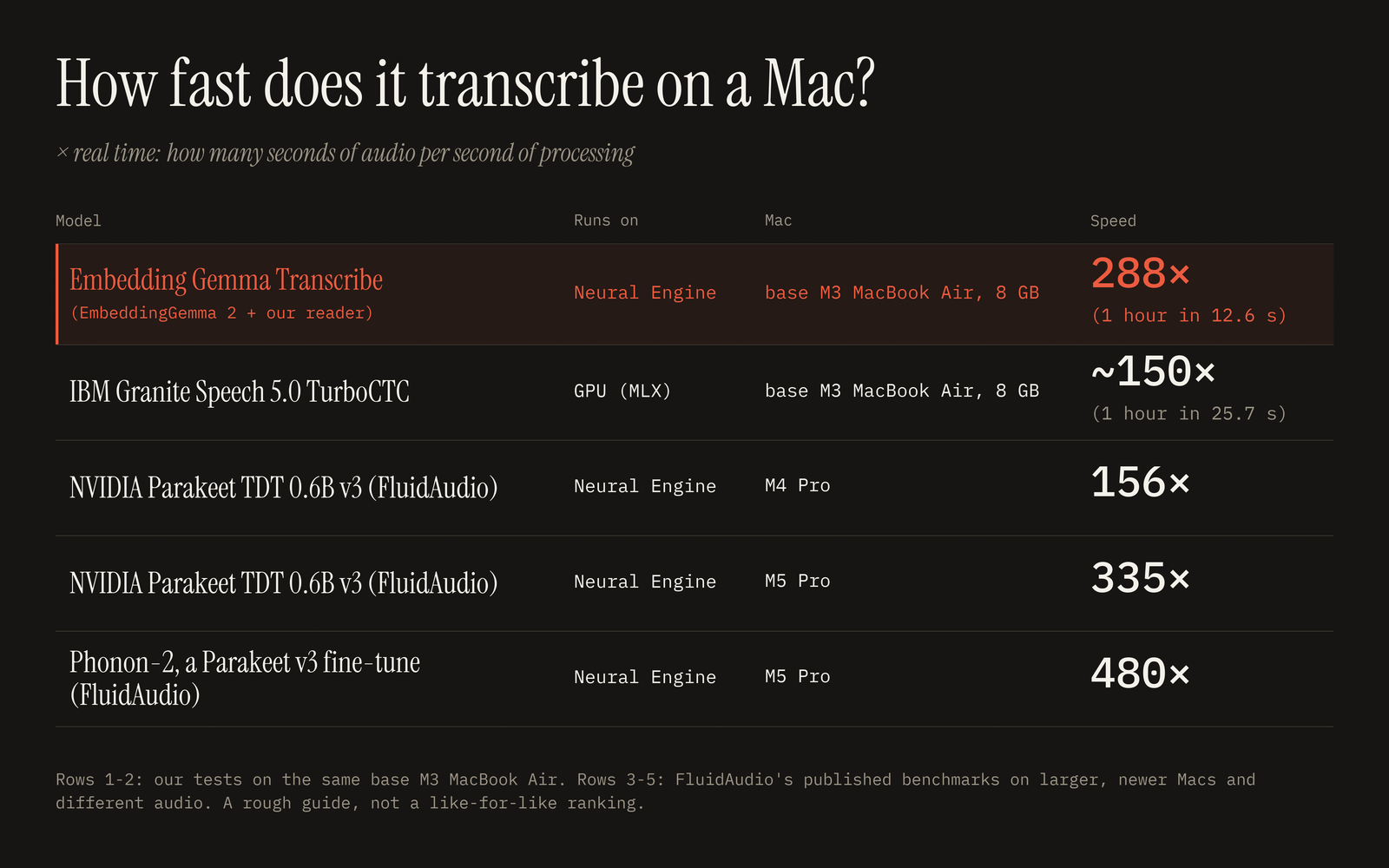
A recent demonstration showcased the impressive performance of local speech-to-text processing on consumer hardware. Using a MacBook Air, an hour-long…

Wikipedians Believed AI Would Come and Go. They Were Wrong
A recent excerpt from Wired explores the existential threat artificial intelligence poses to Wikipedia. As search engines increasingly integrate AI Ov…
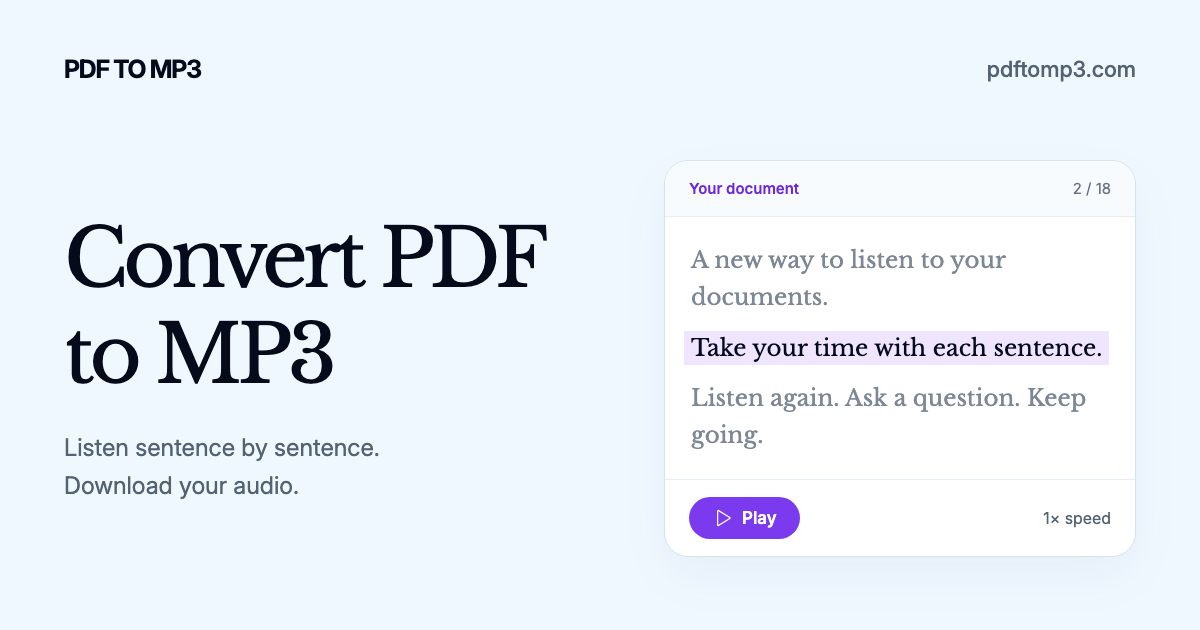
Show HN: Use your OpenAI subscription to create audiobooks
A new project shared on Hacker News, PDFtoMP3, allows users to leverage their existing OpenAI subscription to convert PDF documents into high-quality…