
Wikipedians Believed AI Would Come and Go. They Were Wrong

A recent excerpt from Wired explores the existential threat artificial intelligence poses to Wikipedia. As search engines increasingly integrate AI Overviews, users are finding answers directly on search result pages, leading to a noticeable decline in traffic to the Wikipedia platform. The article argues that this shift represents more than just a drop in website metrics; it signals a potential erosion of the collaborative knowledge ecosystem that Wikipedia has cultivated for decades. As AI models are trained on the very data Wikipedia volunteers provide, the platform faces a paradox where its own content fuels the systems that threaten its relevance. The piece examines how the community of editors is grappling with this new reality, questioning whether the open-source, human-curated model of information can survive in an era dominated by automated, synthetic responses that prioritize convenience over the rigorous verification processes that define Wikipedia.
This is a summary. Read the full article at the original source:
WiredRelated stories
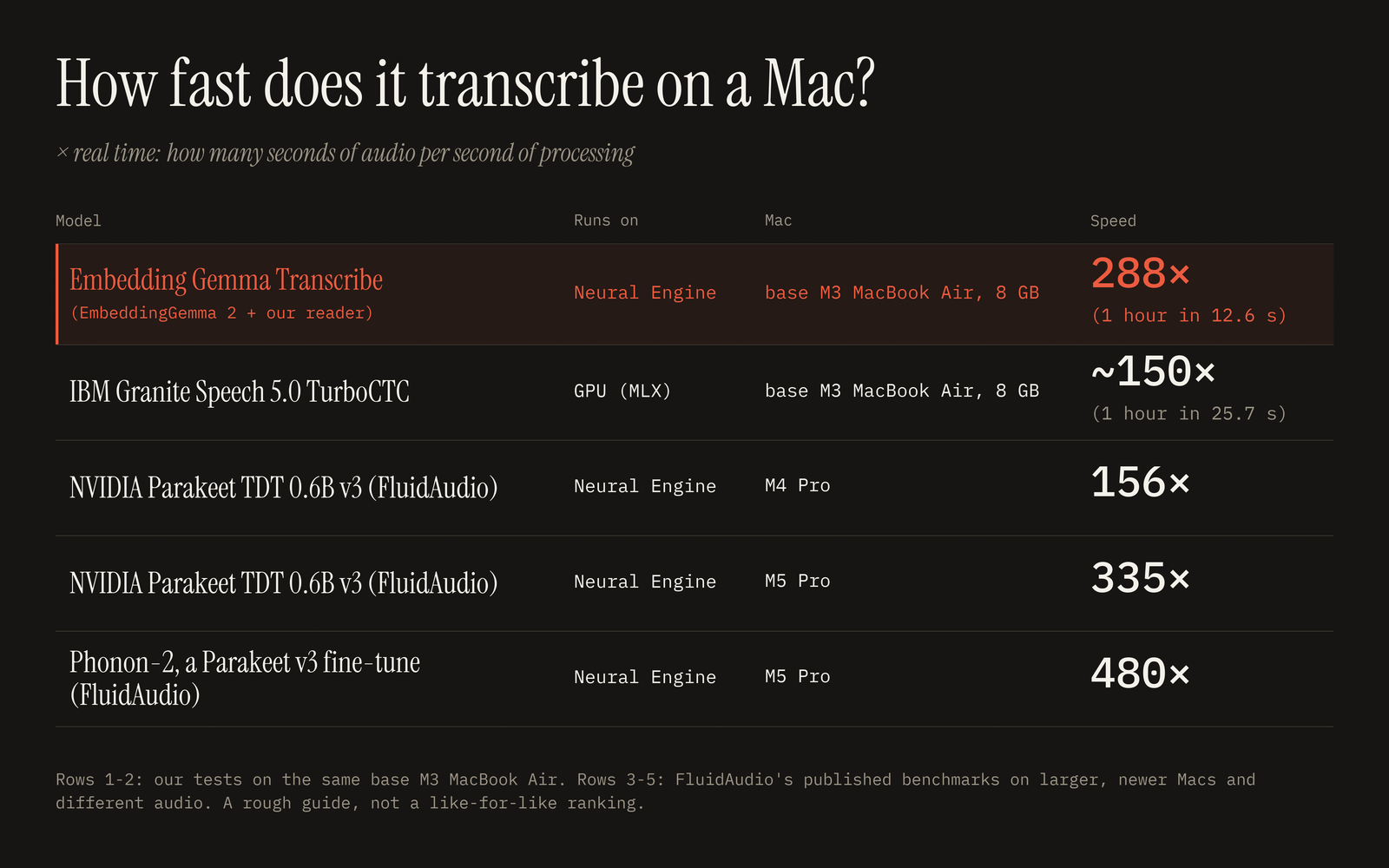
A recent demonstration showcased the impressive performance of local speech-to-text processing on consumer hardware. Using a MacBook Air, an hour-long…

Show HN: Use your OpenAI subscription to create audiobooks
A new project shared on Hacker News, PDFtoMP3, allows users to leverage their existing OpenAI subscription to convert PDF documents into high-quality…

Open models have real benefits. Do they outweigh the risks?
A growing debate surrounds the release of open-weight AI models, which allow users to download and modify software rather than accessing it through re…