
Open models have real benefits. Do they outweigh the risks?

A growing debate surrounds the release of open-weight AI models, which allow users to download and modify software rather than accessing it through restricted APIs. Proponents, including hardware manufacturers, argue that open models democratize technology, foster academic research, and offer cost-effective solutions for businesses. Conversely, safety advocates warn that making powerful models freely available increases the risk of misuse by bad actors, citing potential cyberattack capabilities. The discourse highlights a fundamental tension between AI safety and the desire for open innovation. While closed models currently lead in performance, the gap is narrowing. As governments and organizations weigh the trade-offs, the industry remains divided on whether to restrict access to frontier models or encourage widespread availability to spur development. Ultimately, the approach taken will significantly shape the future of AI accessibility, balancing the practical potential of these tools against the security risks they may pose to society.
This is a summary. Read the full article at the original source:
MIT Technology ReviewRelated stories
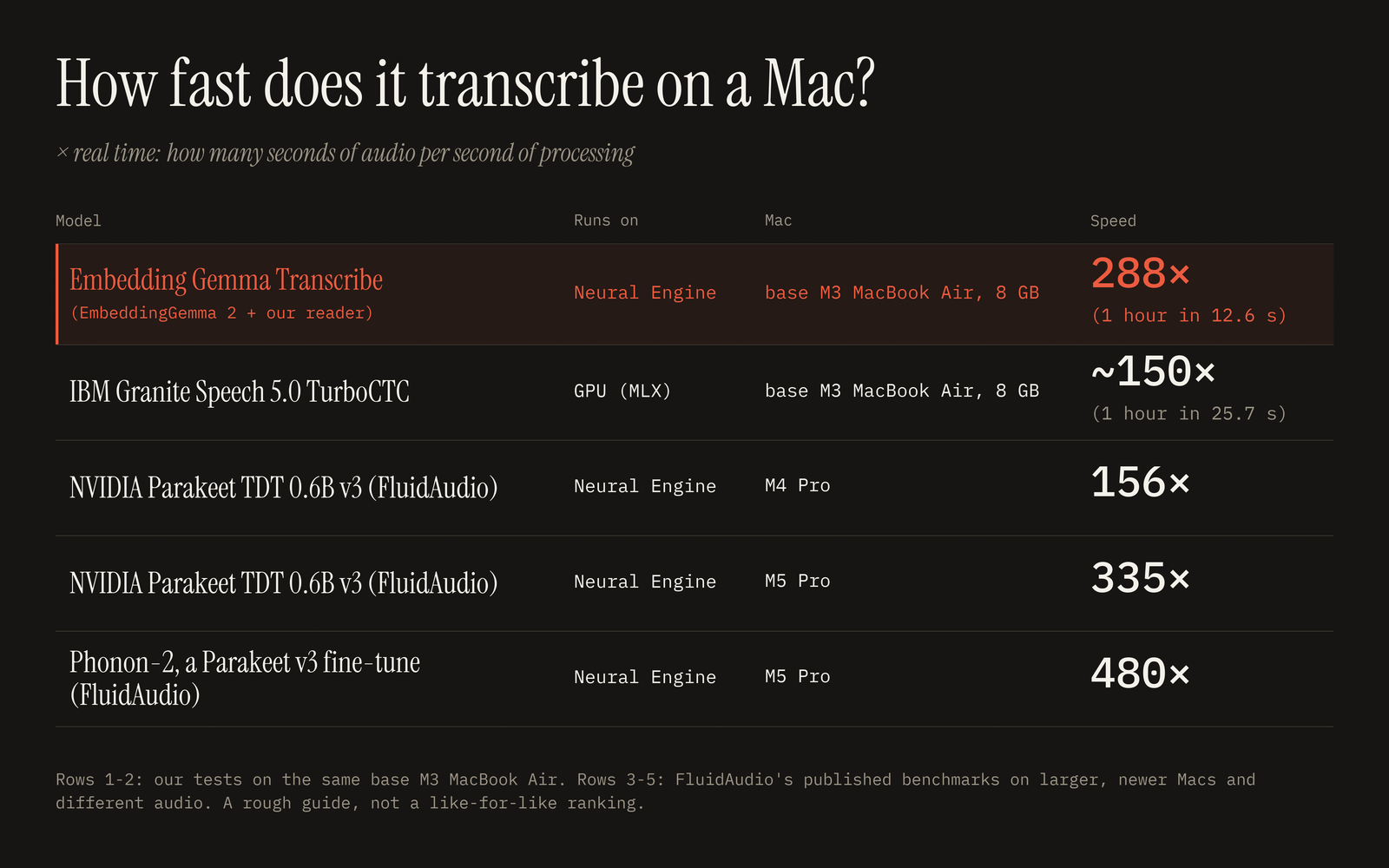
A recent demonstration showcased the impressive performance of local speech-to-text processing on consumer hardware. Using a MacBook Air, an hour-long…

Wikipedians Believed AI Would Come and Go. They Were Wrong
A recent excerpt from Wired explores the existential threat artificial intelligence poses to Wikipedia. As search engines increasingly integrate AI Ov…

Show HN: Use your OpenAI subscription to create audiobooks
A new project shared on Hacker News, PDFtoMP3, allows users to leverage their existing OpenAI subscription to convert PDF documents into high-quality…