
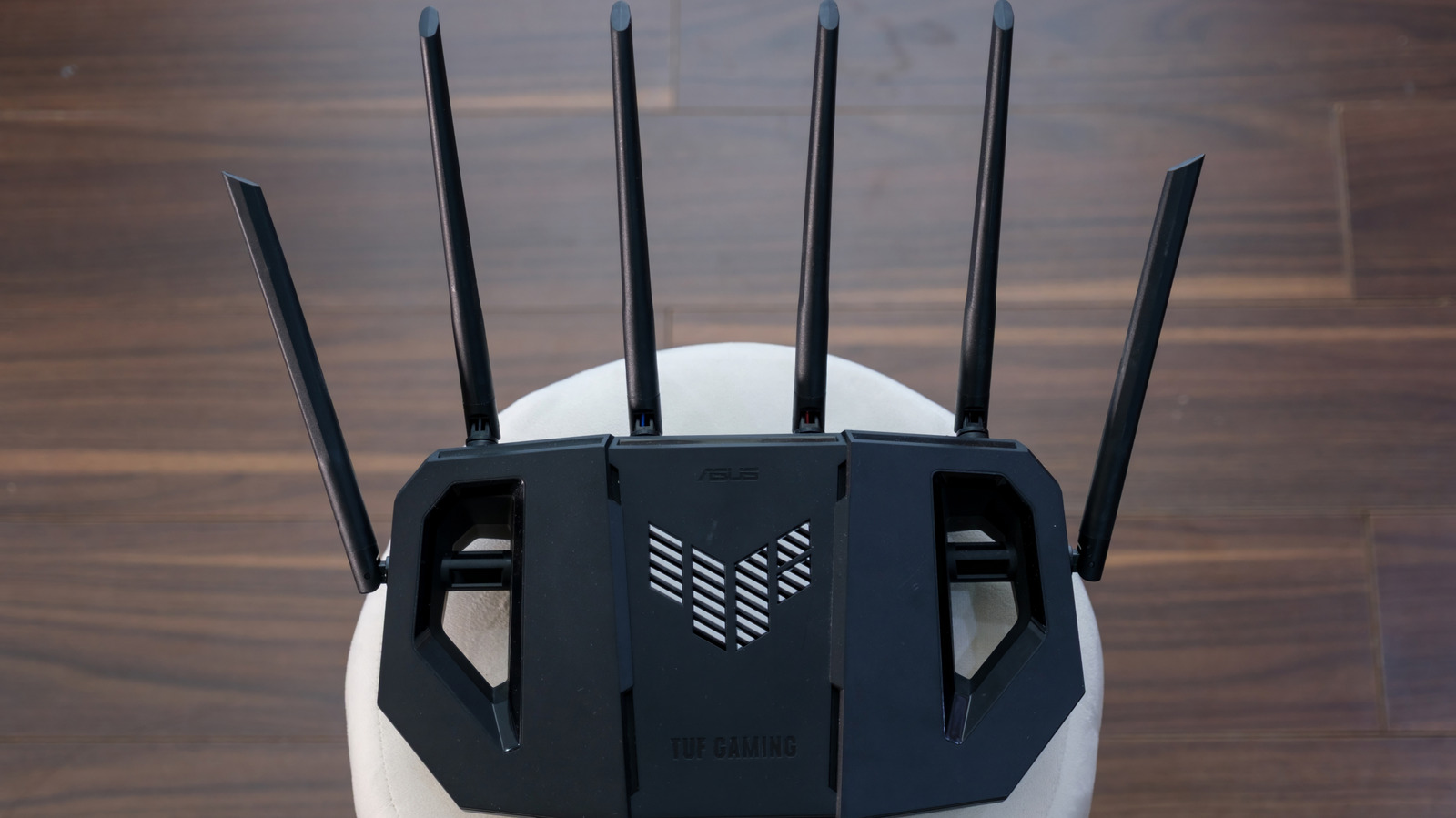
Modern Wi-Fi routers often feature an increasing number of external antennas, leading many consumers to wonder if this is merely a marketing tactic or a functional necessity. In reality, these antennas are critical for implementing MIMO (Multiple Input, Multiple Output) technology. By utilizing multiple antennas, routers can send and receive multiple data streams simultaneously, which significantly increases throughput and improves signal reliability across a home or office. Furthermore, advanced features like beamforming allow routers to focus radio signals directly toward connected devices rather than broadcasting in all directions, reducing interference and dead zones. While some manufacturers may add extra antennas for aesthetic appeal, the underlying technology is essential for supporting modern Wi-Fi standards like Wi-Fi 6 and 7, which require complex spatial multiplexing to handle the high data demands of today's connected households.
This is a summary. Read the full article at the original source:
EngadgetRelated stories

Display issues can be frustrating, but understanding the difference between a dead pixel and a stuck pixel is the first step toward troubleshooting. A…

Amazon has expanded the customization options for its Alexa voice assistant, allowing users to personalize their experience by changing the assistant'…
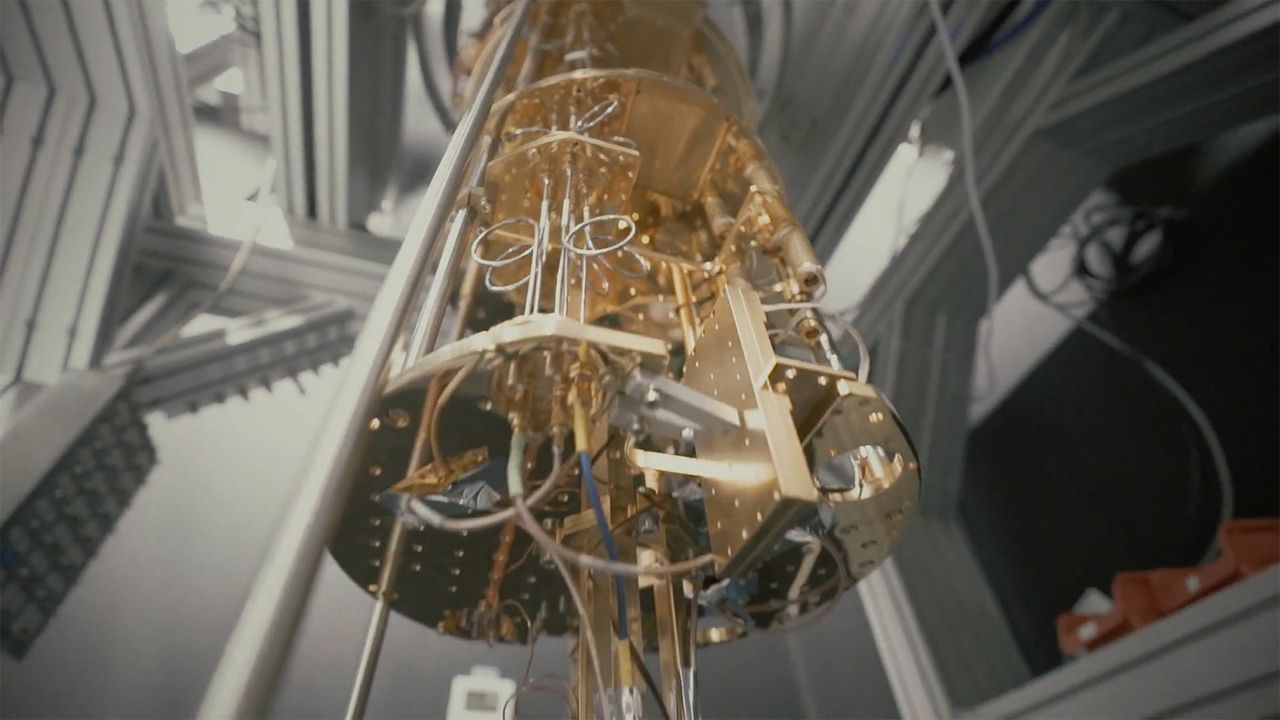
Japanese technology giant NEC has officially ceased its development of quantum hardware, concluding nearly three decades of research into superconduct…