
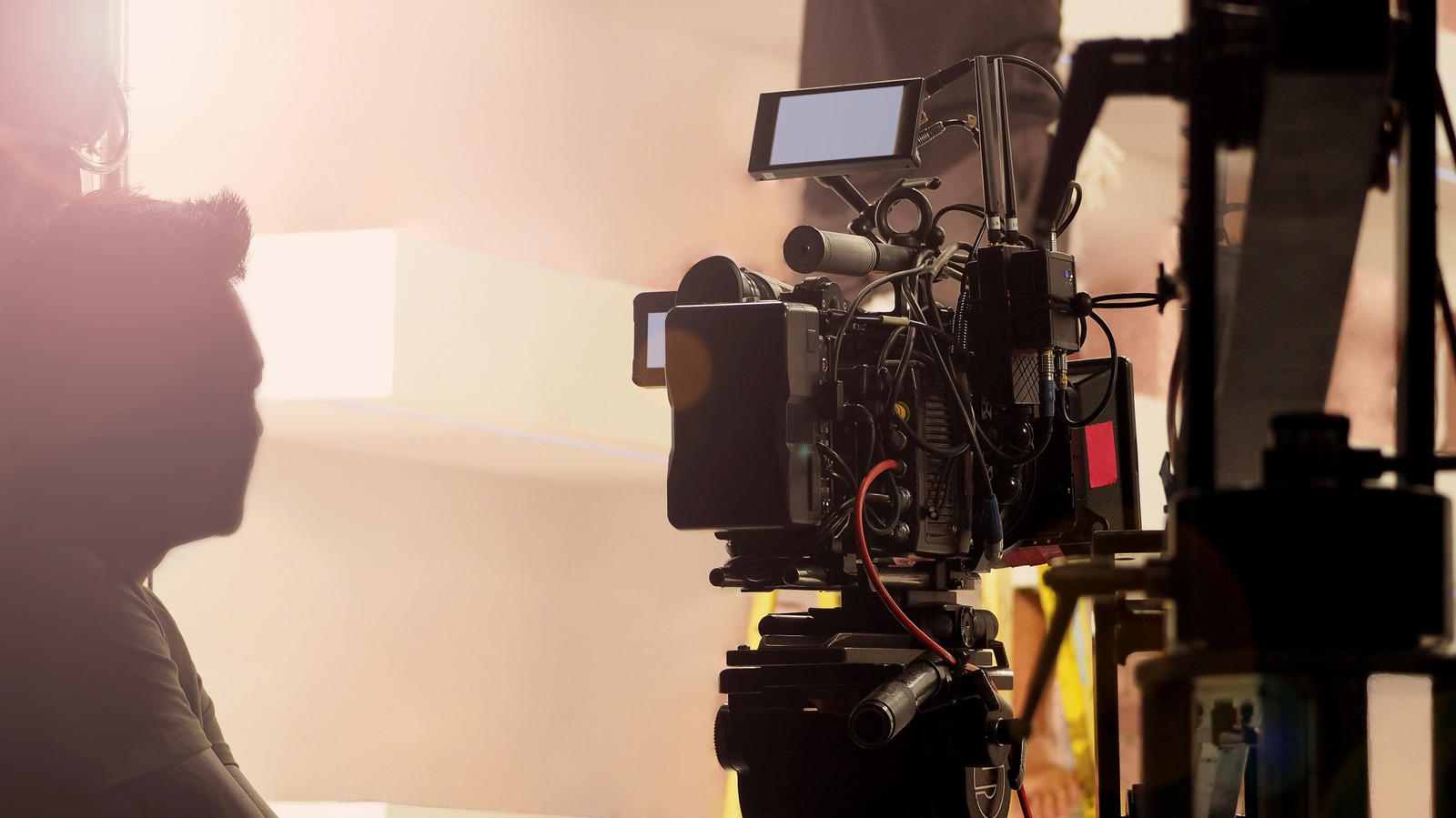
IMAX 15/70mm film cameras are renowned for their unparalleled image quality, providing a level of detail and scale that digital formats struggle to replicate. However, filmmakers often face a significant practical challenge: these cameras are notoriously loud during operation. The noise stems from the complex mechanical movement required to pull large-format film through the camera gate at high speeds. Because the film strip is massive compared to standard 35mm stock, the physical transport mechanism generates substantial vibration and acoustic output. This noise often necessitates the use of sound-dampening blimps or requires post-production audio dubbing, as the camera's internal motor and film transport system can easily drown out dialogue on set. Despite these mechanical drawbacks, the aesthetic superiority of the 15/70 format ensures that directors continue to utilize these heavy, noisy machines for high-profile cinematic productions.
This is a summary. Read the full article at the original source:
EngadgetRelated stories

Apple has published an extensive collection of dimensional drawings for its accessory ecosystem, providing precise technical specifications for develo…

While Ethernet connections are generally more reliable and faster than Wi-Fi, the physical limitations of cabling play a critical role in network perf…
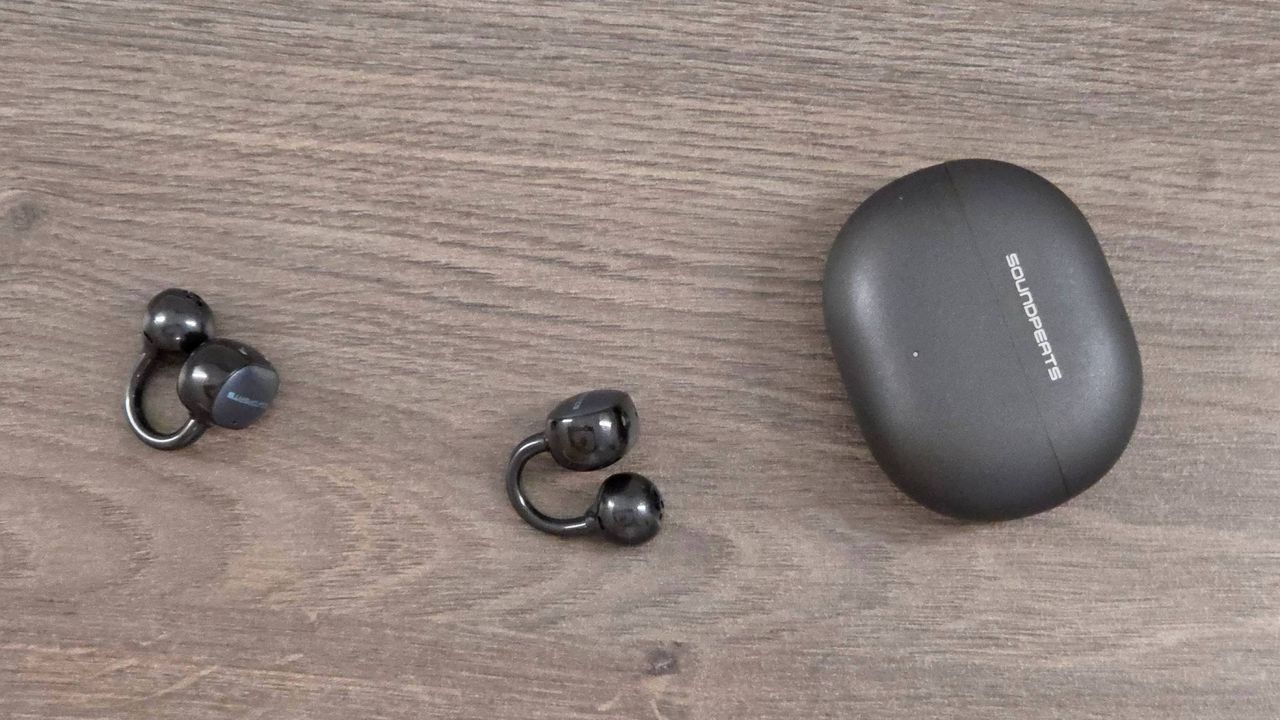
Soundpeats Pop Clip2 Review: Great Audio Marred by Connectivity Issues
The Soundpeats Pop Clip2 earbuds initially promised to be the best open-ear option on the market, offering impressive sound quality, a comfortable fit…