
At what length do Ethernet cables drop to lower speeds?

While Ethernet connections are generally more reliable and faster than Wi-Fi, the physical limitations of cabling play a critical role in network performance. Standard Ethernet cables, such as Cat5e, Cat6, and Cat6a, are designed to maintain optimal data transmission speeds up to a maximum length of 100 meters (approximately 328 feet). Beyond this threshold, signal attenuation occurs, leading to packet loss and a significant drop in throughput. Factors such as cable quality, shielding, and environmental interference can also impact performance even within the recommended length. For users setting up home or office networks, it is essential to adhere to these standards to ensure consistent connectivity. If a run exceeds 100 meters, signal boosters or network switches are required to maintain signal integrity. Understanding these physical constraints helps users optimize their local area networks and avoid unexpected performance degradation.
This is a summary. Read the full article at the original source:
EngadgetRelated stories

Soundpeats Pop Clip2 Review: Great Audio Marred by Connectivity Issues
The Soundpeats Pop Clip2 earbuds initially promised to be the best open-ear option on the market, offering impressive sound quality, a comfortable fit…

Choosing between AppleCare+ and the newer AppleCare One service plans can be confusing for Apple users looking to protect their devices. AppleCare+ is…
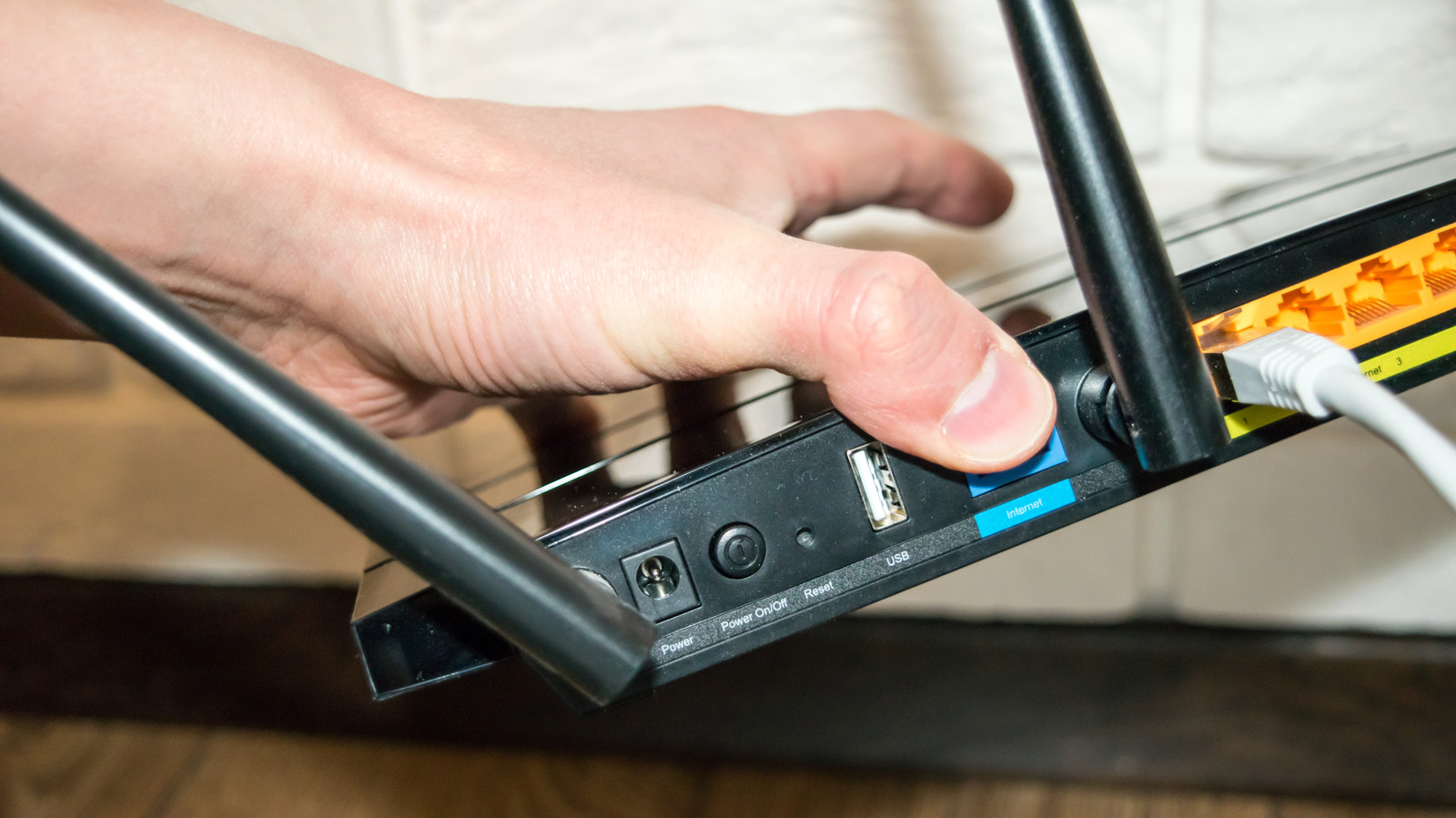
Many modern Wi-Fi routers come equipped with a USB port on the back, yet many users remain unaware of its potential utility. This feature is often ove…