
What's the difference between battery capacity and battery life?
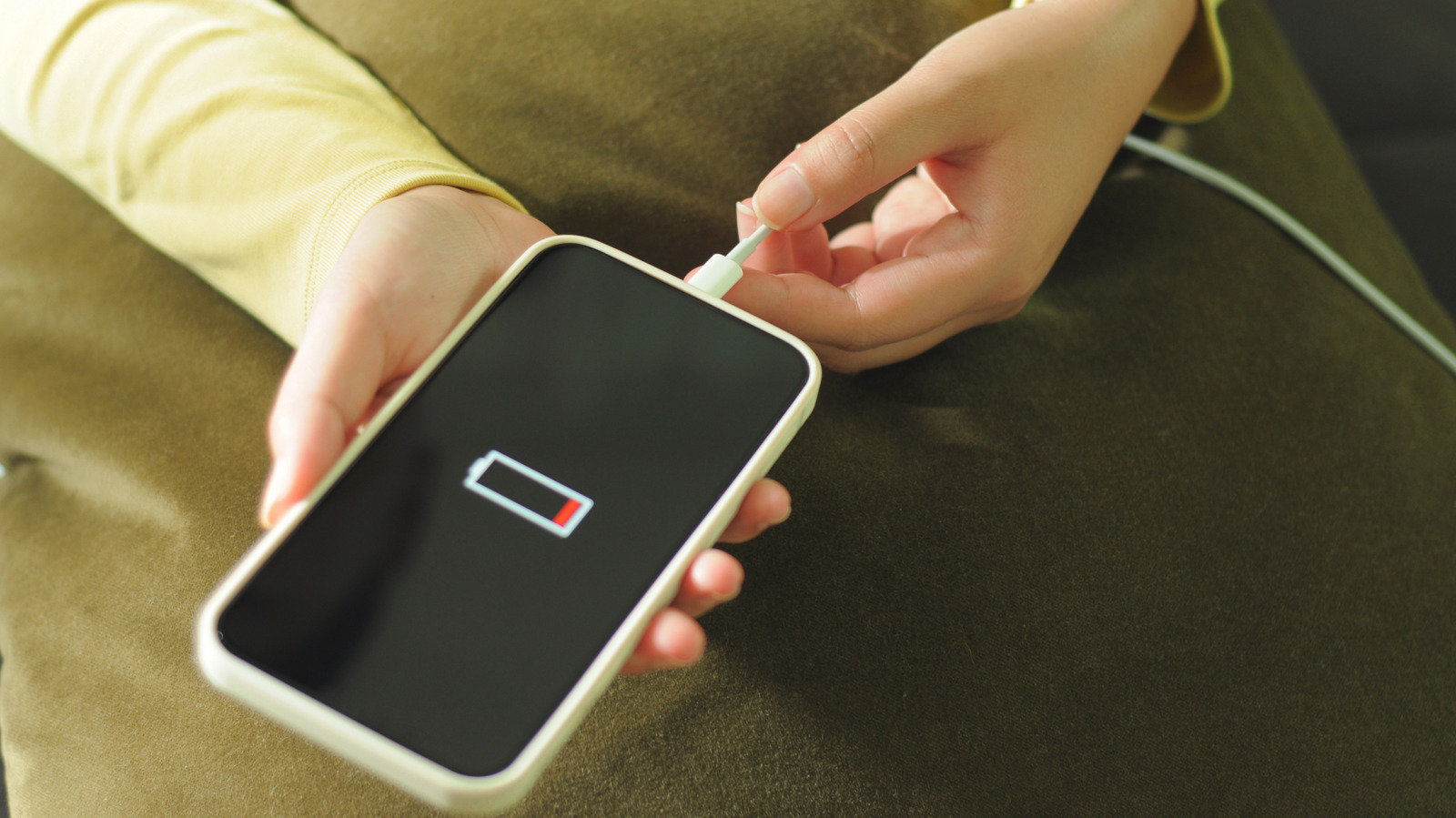
Understanding the distinction between battery capacity and battery life is essential for consumers evaluating electronic devices. Battery capacity, typically measured in milliampere-hours (mAh), refers to the total amount of energy a battery can store when fully charged. In contrast, battery life describes the actual duration a device can operate on a single charge before needing to be plugged in again. While a higher capacity often suggests longer potential usage, it does not guarantee superior battery life. Real-world performance is heavily influenced by other factors, including the device's power efficiency, processor architecture, display brightness, and the intensity of background software processes. Consequently, a device with a smaller battery may sometimes outperform a larger one if its hardware and software are optimized for power management. Consumers should look beyond raw capacity numbers to understand how a device manages energy consumption in daily use.
This is a summary. Read the full article at the original source:
EngadgetRelated stories
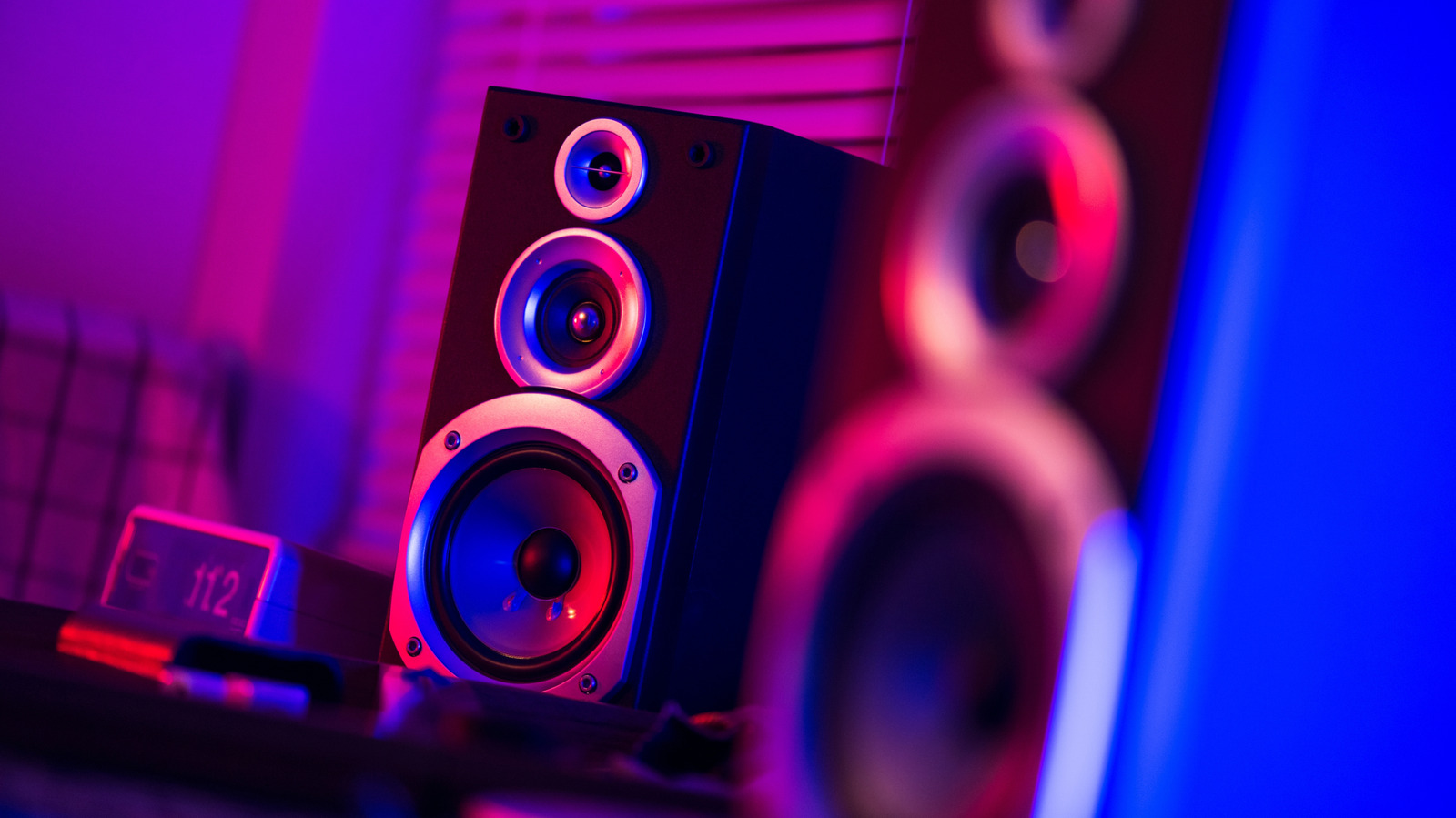
What are amplifiers for and how important are they to your sound system's quality?
When building or upgrading a home audio setup, the role of an amplifier often becomes a point of confusion for consumers. An amplifier is a critical c…
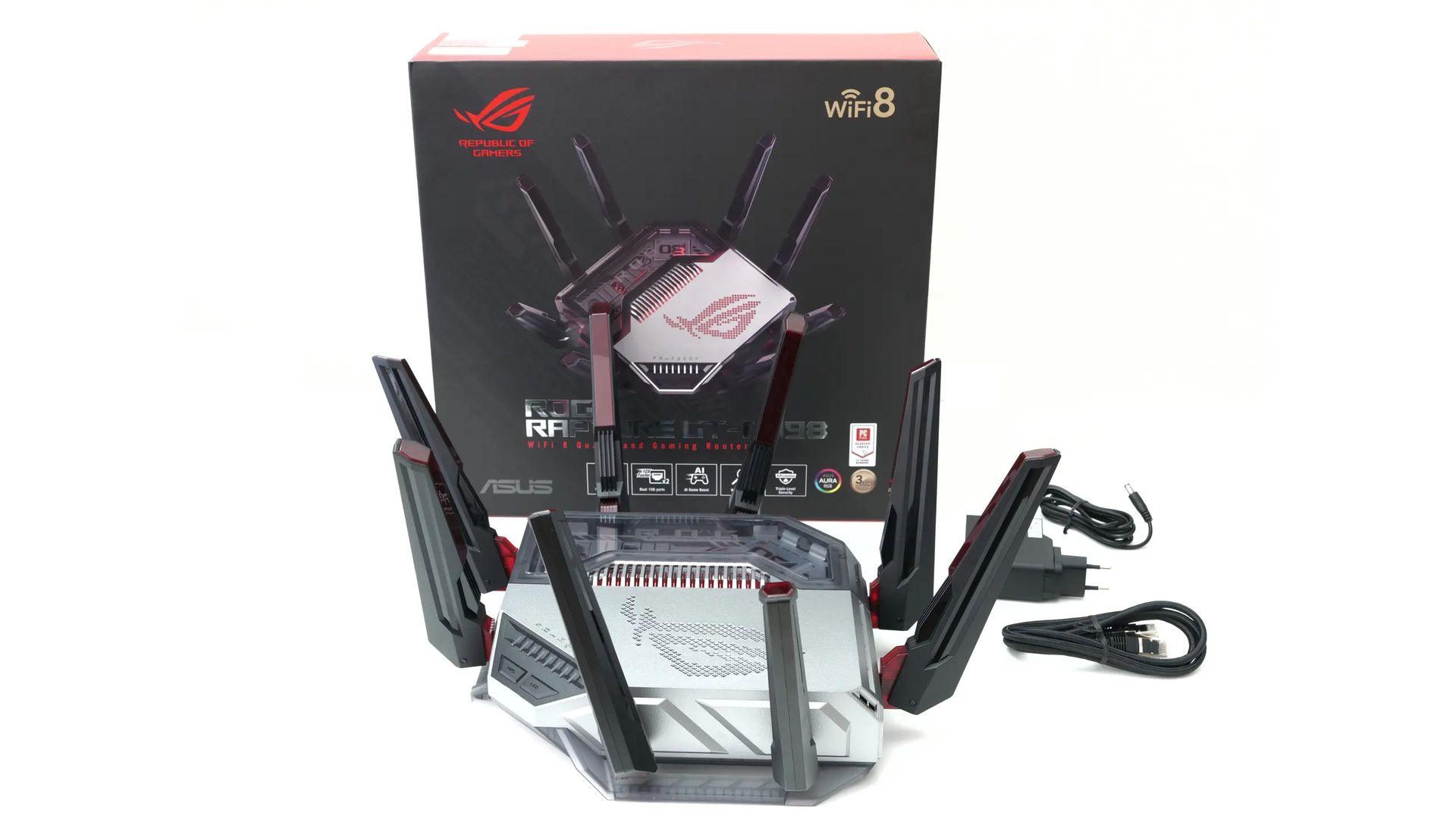
Asus Launches World's First Wi-Fi 8 Gaming Router Despite Lack of Compatible Devices
Asus has released the ROG Rapture GT-BN98, marketed as the world's first commercially available Wi-Fi 8 gaming router. Although the Wi-Fi 8 standard i…
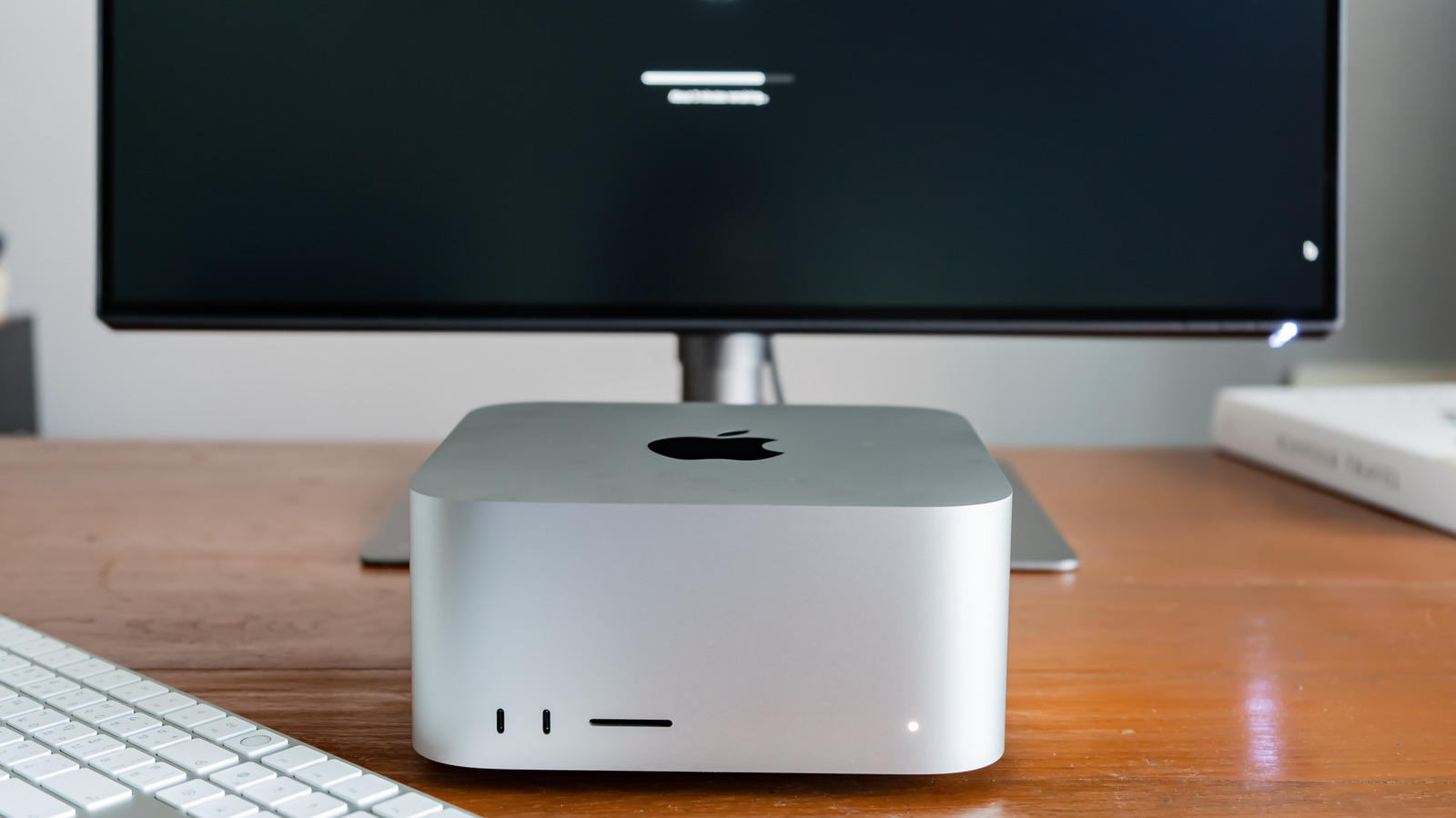
Since its introduction, the Mac Studio has established itself as a powerhouse in Apple's desktop lineup, bridging the gap between the Mac mini and the…