
What are amplifiers for and how important are they to your sound system's quality?
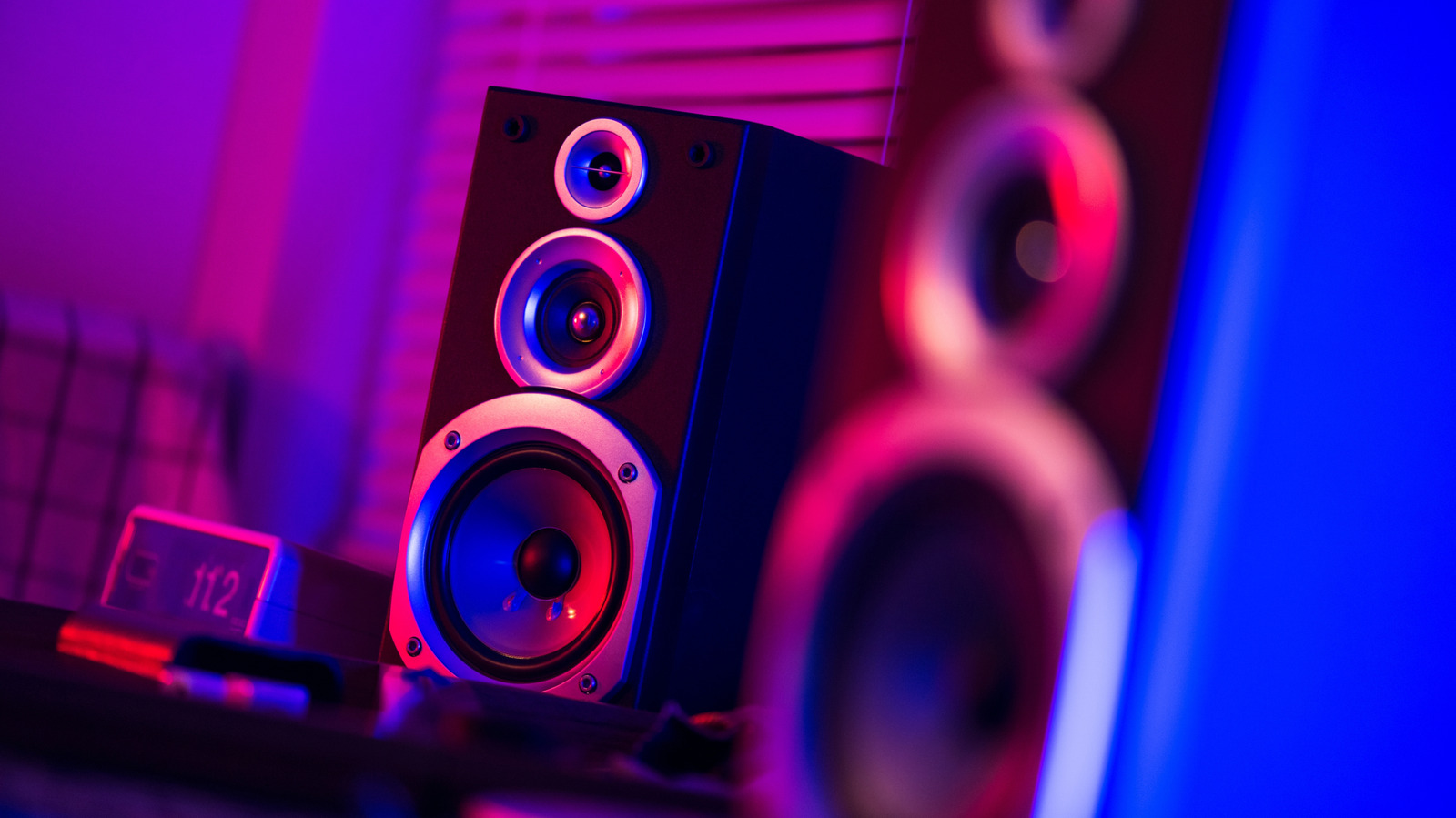
When building or upgrading a home audio setup, the role of an amplifier often becomes a point of confusion for consumers. An amplifier is a critical component designed to take a low-voltage audio signal from a source—such as a turntable, streamer, or DAC—and boost it to a level capable of driving passive speakers. Without sufficient amplification, audio output may be quiet, distorted, or lack the dynamic range necessary for high-fidelity listening. While many modern active speakers or integrated systems include built-in amplification, standalone amplifiers remain essential for audiophiles using passive equipment. Understanding the relationship between power output, impedance, and speaker sensitivity is key to achieving optimal sound quality. This guide explores the technical necessity of amplifiers, helping users determine whether their specific sound system requires a dedicated unit to reach its full acoustic potential.
This is a summary. Read the full article at the original source:
EngadgetRelated stories

Asus Launches World's First Wi-Fi 8 Gaming Router Despite Lack of Compatible Devices
Asus has released the ROG Rapture GT-BN98, marketed as the world's first commercially available Wi-Fi 8 gaming router. Although the Wi-Fi 8 standard i…

Since its introduction, the Mac Studio has established itself as a powerhouse in Apple's desktop lineup, bridging the gap between the Mac mini and the…

Understanding the distinction between battery capacity and battery life is essential for consumers evaluating electronic devices. Battery capacity, ty…