
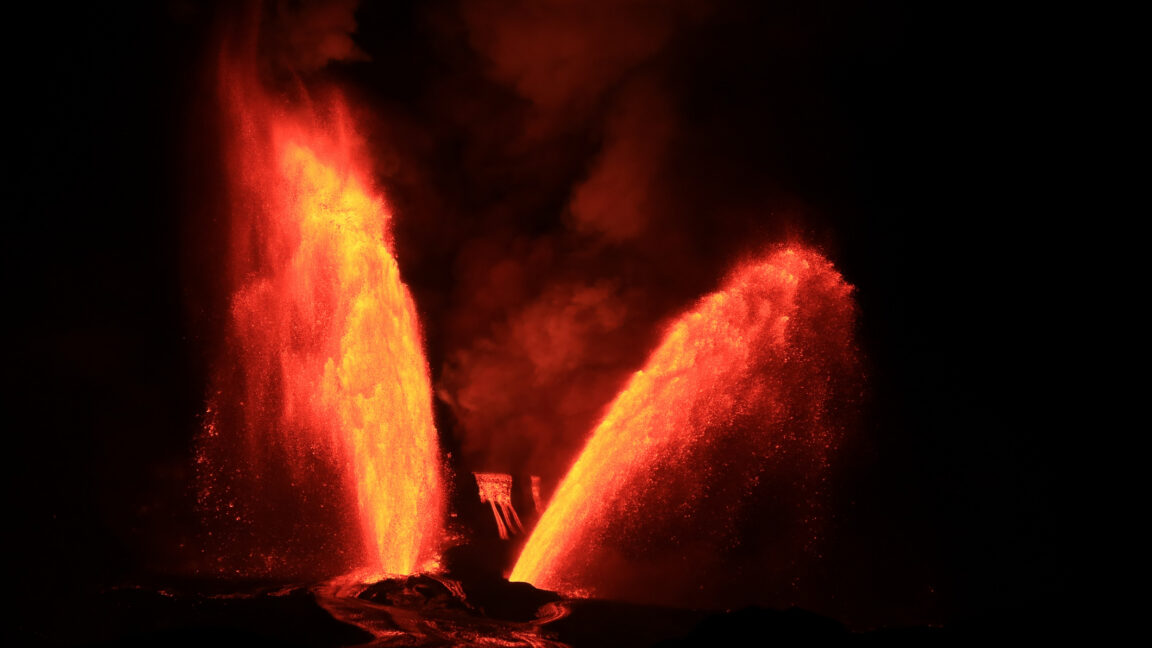
While hotspot-driven volcanism is typically characterized by slow-moving lava flows, certain locations like Hawaii, Iceland, and Mount Etna experience dramatic lava fountains reaching hundreds of meters into the air. The mechanisms powering these intense eruptions have long remained a subject of scientific debate. Recent research published in Science by the US Geological Survey provides new insights based on extensive data collected during recent eruptions at the Kilauea volcano. Despite being Hawaii's most active volcano, Kilauea has experienced only three fountaining episodes since 1823. Researchers utilized a sophisticated network of 35 monitoring stations, including seismic, infrasound, and thermal imaging equipment, to document these events. By comparing this high-quality data against existing theoretical models, scientists are working to better understand the internal dynamics of these volcanic fountains and the geological structures that facilitate such powerful displays of molten rock.
This is a summary. Read the full article at the original source:
Ars TechnicaRelated stories
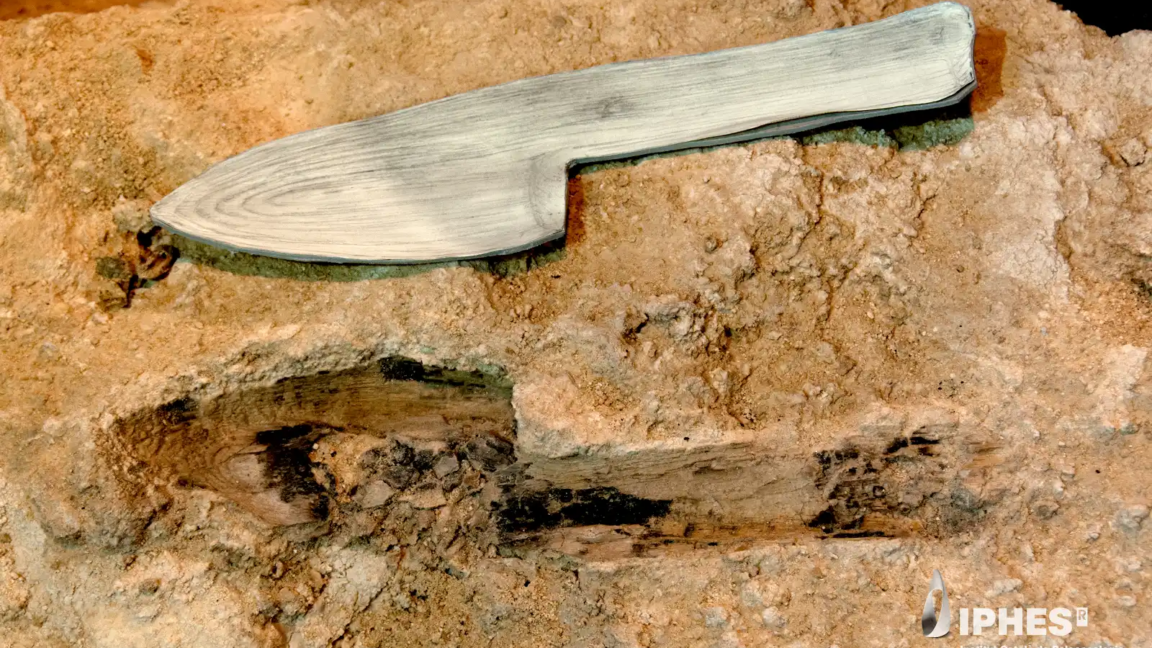
Archaeologists have discovered a significant collection of 597 wooden artifacts at the Abric Romaní rock shelter in Spain, dating back 62,000 to 40,00…
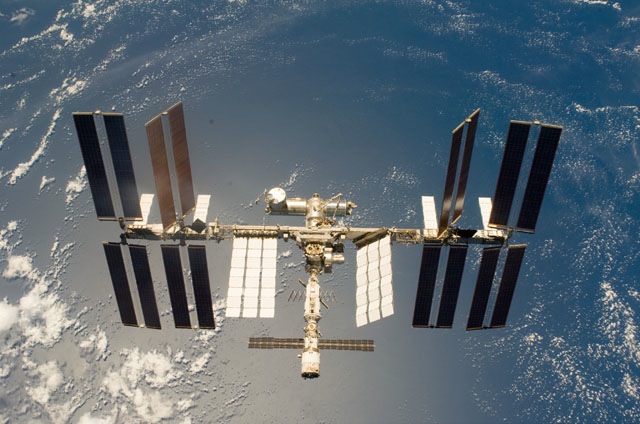
NASA has officially released a request for proposals (RFP) to the U.S. commercial space industry, seeking partners to develop private space stations.…

A translation of Stephen Hawking's landmark paper on black hole radiation has been published on Habr. Over half a century ago, Hawking proposed the co…