
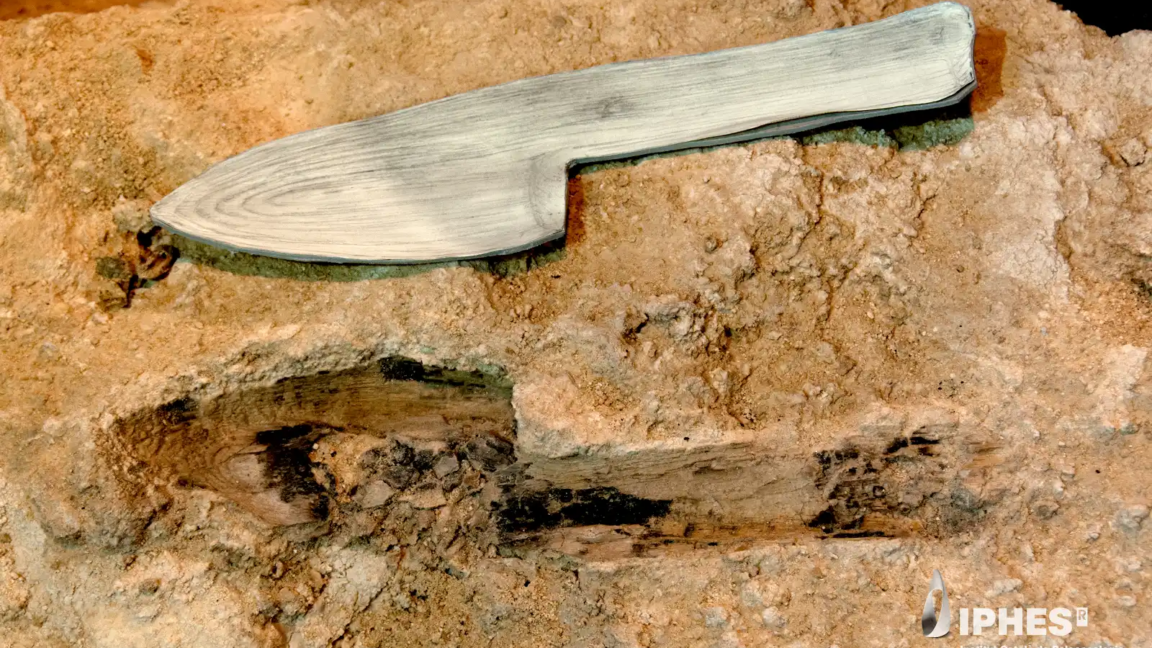
Archaeologists have discovered a significant collection of 597 wooden artifacts at the Abric Romaní rock shelter in Spain, dating back 62,000 to 40,000 years. While Paleolithic wooden tools are rarely preserved due to rapid decay, mineral-rich water at this site created limestone-like crusts around the objects. As the wood eventually rotted away, it left behind hollow molds that perfectly captured the original shapes. The cataloged items include spears, digging sticks, bark trays, and a unique club, providing new insights into Neanderthal craftsmanship and daily life. These findings challenge traditional perceptions of Neanderthals, suggesting they possessed sophisticated woodworking skills and complex tool-making abilities. This discovery offers a rare glimpse into a material culture that is usually lost to history, highlighting the ingenuity of early humans beyond simple hunting gear.
This is a summary. Read the full article at the original source:
Ars TechnicaRelated stories

NASA has officially released a request for proposals (RFP) to the U.S. commercial space industry, seeking partners to develop private space stations.…

A translation of Stephen Hawking's landmark paper on black hole radiation has been published on Habr. Over half a century ago, Hawking proposed the co…

While hotspot-driven volcanism is typically characterized by slow-moving lava flows, certain locations like Hawaii, Iceland, and Mount Etna experience…