
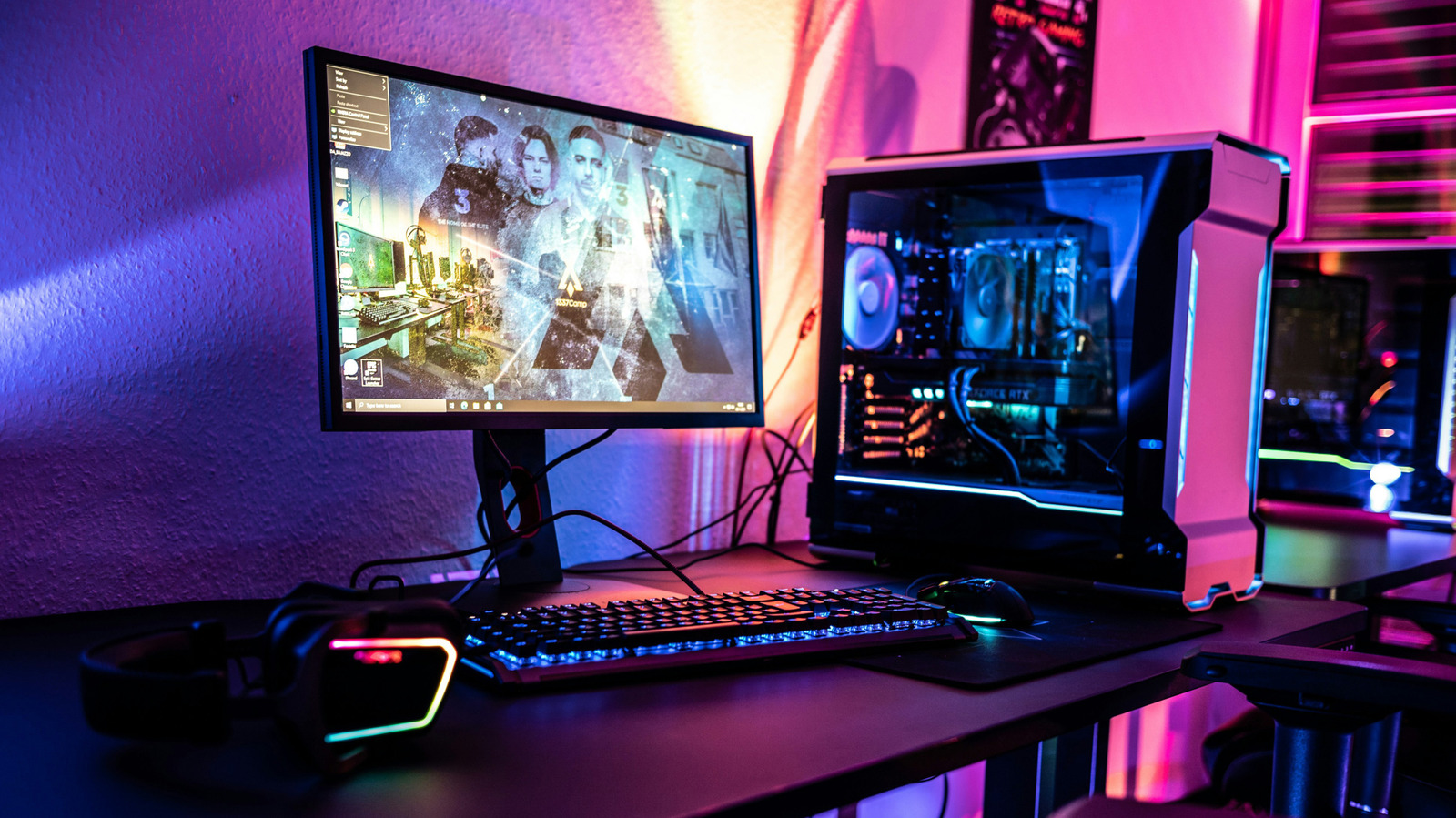
Vertical Synchronization, commonly known as V-Sync, is a graphics technology designed to synchronize a game's frame rate with the refresh rate of a monitor. By forcing the GPU to wait for the display to finish its current refresh cycle before sending a new frame, V-Sync effectively eliminates screen tearing—a visual artifact where multiple frames appear on screen simultaneously. However, this synchronization process often comes at a cost. Enabling V-Sync can introduce noticeable input lag, as the GPU is prevented from rendering frames as quickly as possible. Furthermore, if a system cannot maintain a frame rate consistent with the monitor's refresh rate, V-Sync can cause significant stuttering. While it remains a useful tool for preventing visual glitches in slower-paced games, competitive players often disable it to prioritize responsiveness and lower latency over perfect visual alignment.
This is a summary. Read the full article at the original source:
EngadgetRelated stories

Screen tearing is a common visual artifact that occurs when a graphics card sends frames to a monitor that are out of sync with the display's refresh…

The Greece vs. Germany UEFA Nations League match is set to take place at Toumba Stadium in Thessaloniki. Greece enters the fixture at the top of Group…
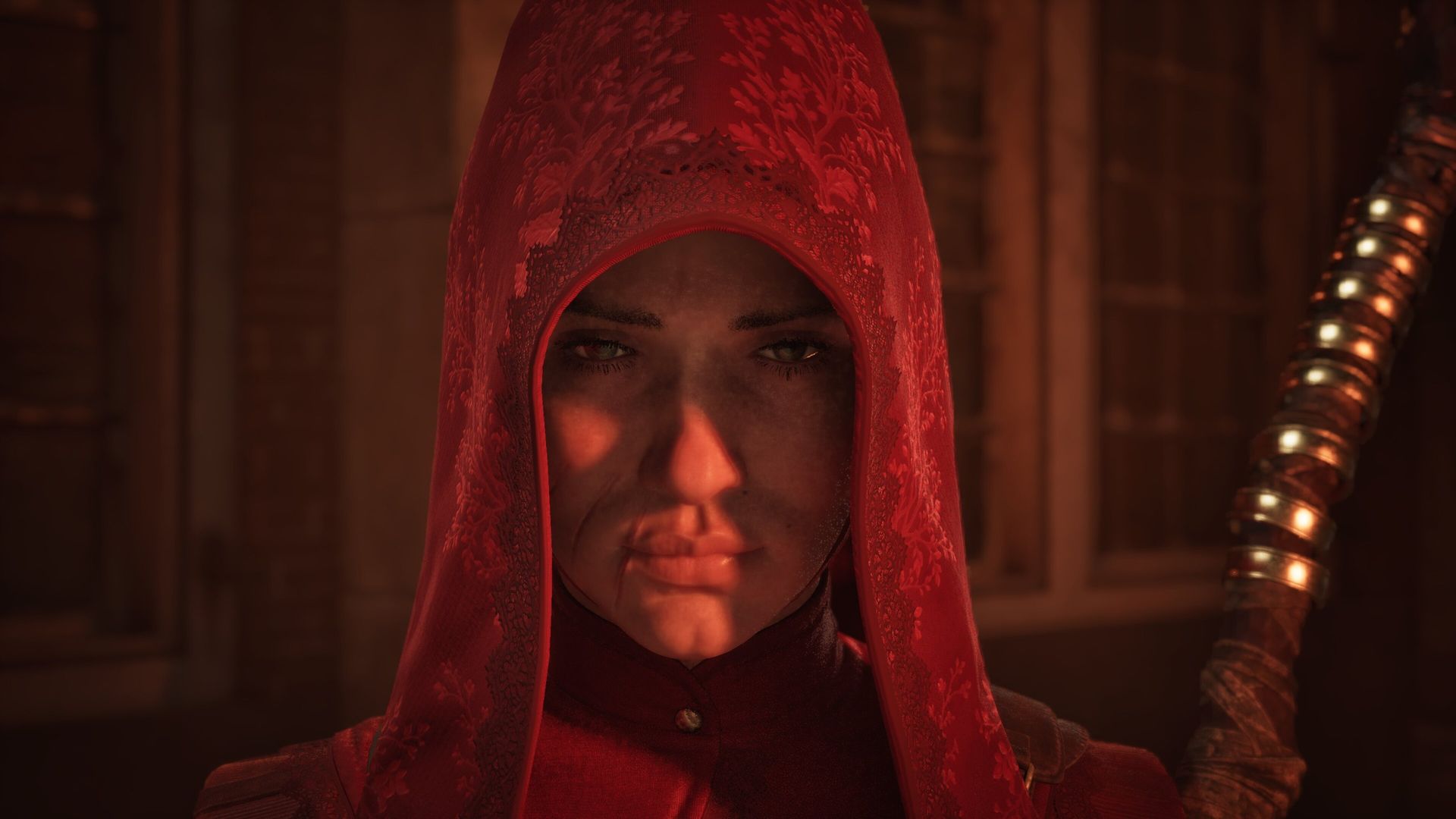
1666: Amsterdam is the long-lost sequel to Assassin’s Creed: Brotherhood, 15 years in the making
After 13 years in development, 1666: Amsterdam, the brainchild of Patrice Désilets, has finally entered Steam Early Access. Originally conceived as a…