
What does FDM stand for in 3D printing and how does it work?
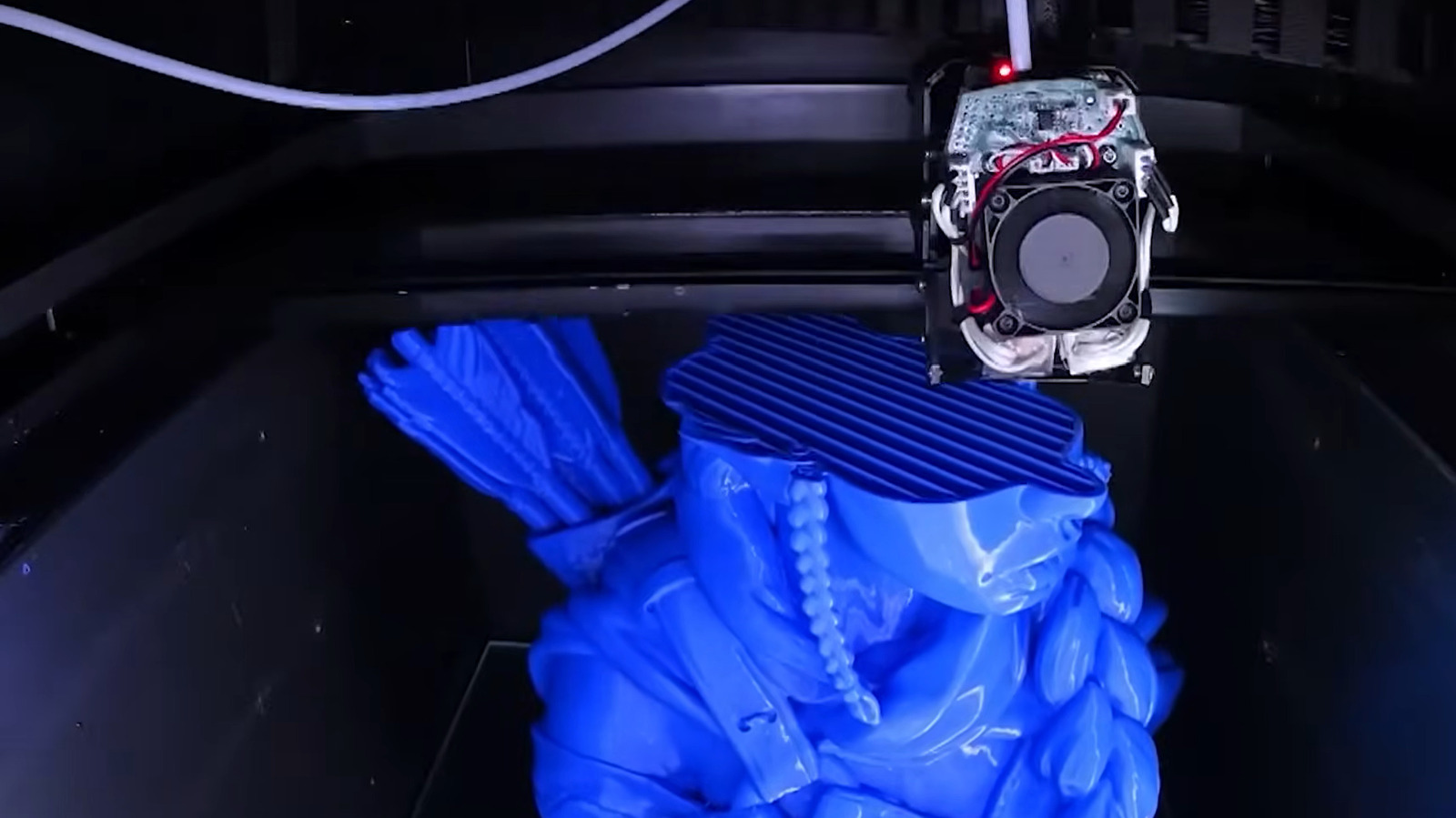
Fused Deposition Modeling (FDM) is one of the most popular and accessible 3D printing technologies available today. Often referred to as Fused Filament Fabrication (FFF), the process involves melting a thermoplastic filament and extruding it layer by layer onto a build platform to create a three-dimensional object. The material cools and solidifies almost instantly, allowing for complex geometries to be constructed from the ground up. FDM is widely favored for its cost-effectiveness, ease of use, and the variety of materials it supports, ranging from standard PLA to more durable engineering-grade plastics. While it differs from resin-based methods like SLA—which use light to cure liquid photopolymers—FDM remains the industry standard for hobbyists, rapid prototyping, and small-scale manufacturing. Understanding the mechanics of FDM is essential for anyone looking to enter the world of additive manufacturing, as it provides the foundational knowledge for operating most consumer-grade 3D printers.
This is a summary. Read the full article at the original source:
EngadgetRelated stories

TechRadar’s latest AV review highlights the best 4K Blu-ray releases for September 2026, focusing on picture and audio quality for home theater enthus…
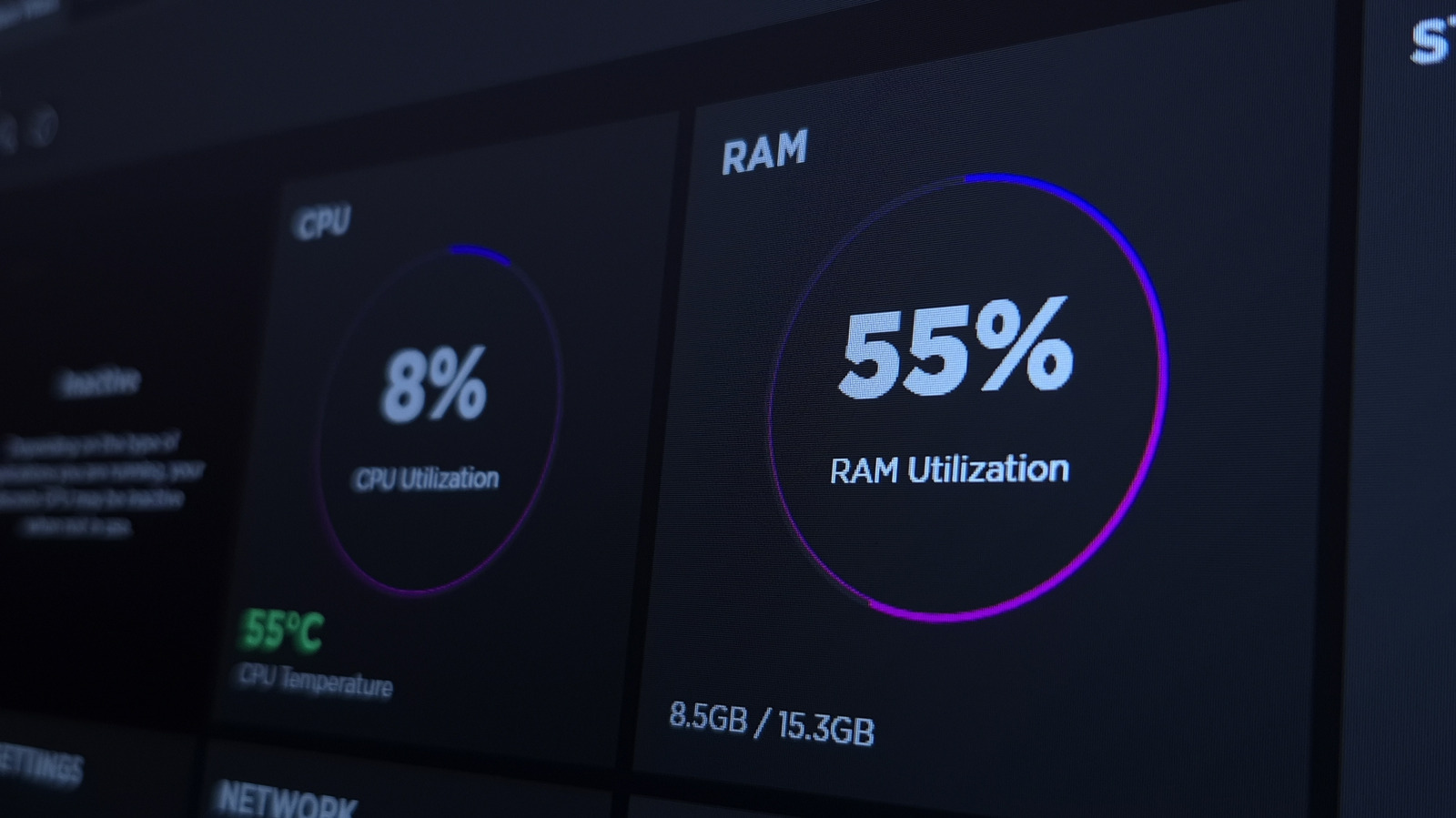
Windows 11 users often notice high RAM usage, which can be concerning for those monitoring system resources. However, Microsoft's latest operating sys…

Apple's latest product lineup presents a unique dilemma for consumers choosing between the iPhone Duo and the iPad Mini. The iPhone Duo offers a folda…