
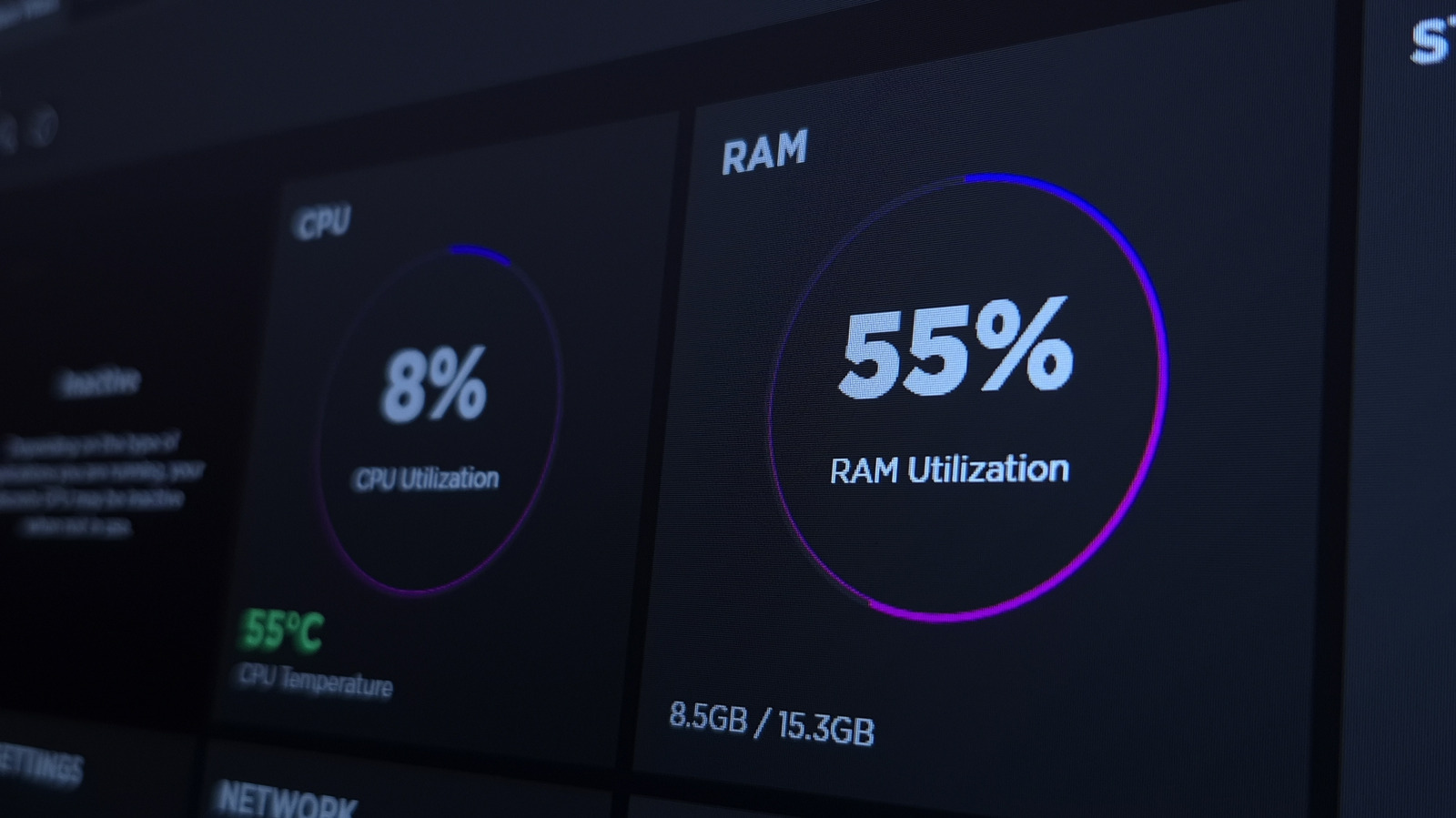
Windows 11 users often notice high RAM usage, which can be concerning for those monitoring system resources. However, Microsoft's latest operating system is designed to utilize available memory to cache frequently used apps and background processes, which generally improves overall responsiveness and system performance. This behavior is a standard feature of modern memory management, where the OS keeps data ready for quick access rather than leaving memory idle. While seeing high usage percentages might look alarming in Task Manager, it is rarely an indicator of a system issue unless the user experiences noticeable lag or crashes. If performance remains smooth, the high RAM consumption is likely the OS functioning as intended to optimize the user experience. Users should only be concerned if they encounter significant slowdowns, which might then warrant investigating specific background applications or potential hardware limitations.
This is a summary. Read the full article at the original source:
EngadgetRelated stories

TechRadar’s latest AV review highlights the best 4K Blu-ray releases for September 2026, focusing on picture and audio quality for home theater enthus…

Apple's latest product lineup presents a unique dilemma for consumers choosing between the iPhone Duo and the iPad Mini. The iPhone Duo offers a folda…

Anker Nano 45W Smart Display Charger review: a quirky and compact charging companion
The Anker Nano 45W Smart Display Charger offers a unique blend of functionality and personality in a compact form factor. Featuring a built-in display…