
Webb telescope detects galaxy origin of the farthest fast radio burst we've seen to date
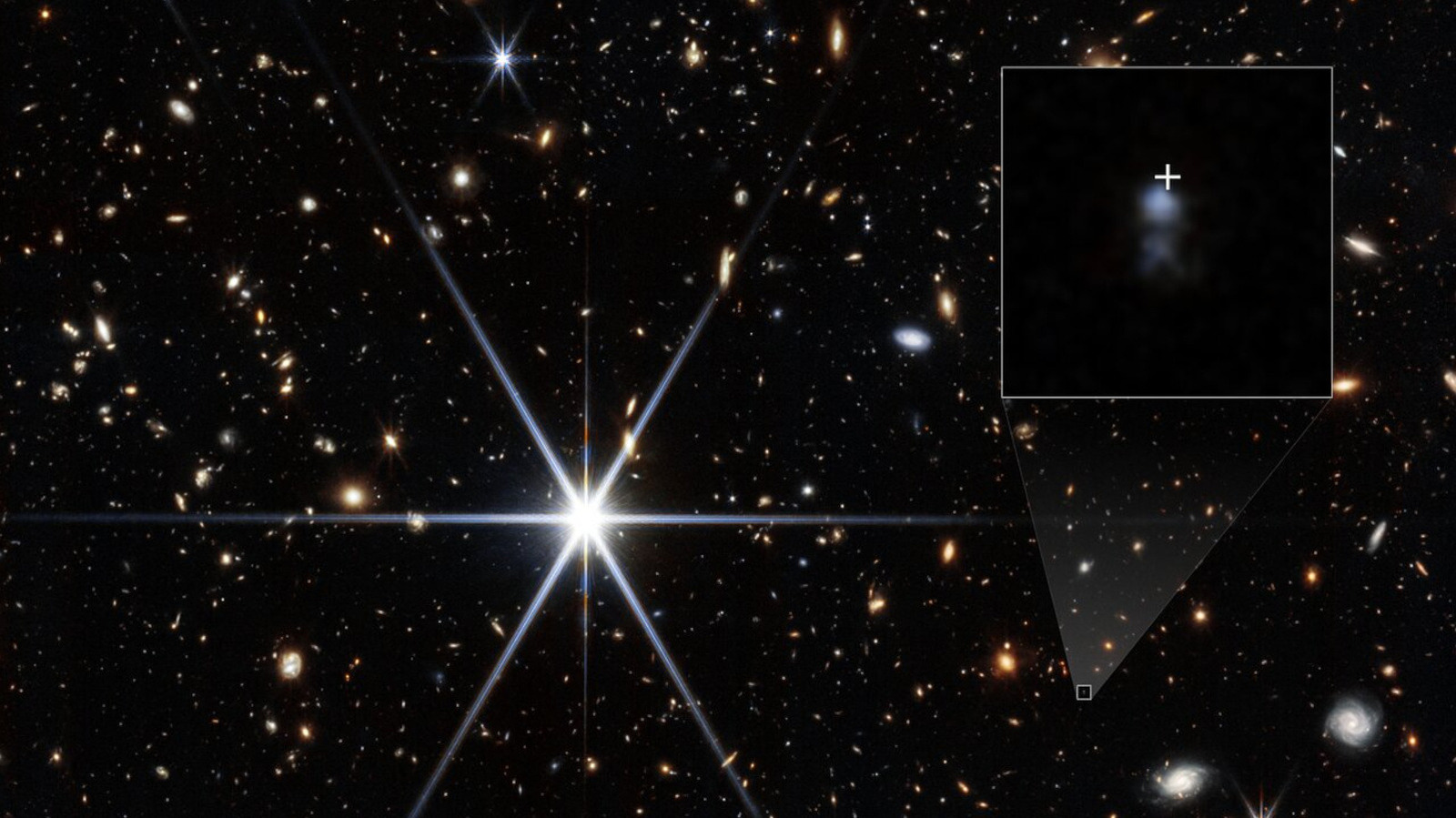
Astronomers have utilized the James Webb Space Telescope to pinpoint the origin of the most distant fast radio burst (FRB) ever recorded. FRBs are intense, millisecond-long pulses of radio waves originating from deep space, and identifying their host galaxies is crucial for understanding the cosmic phenomena that trigger them. By leveraging the Webb telescope's advanced infrared imaging capabilities, researchers were able to look back across vast distances to locate the specific galaxy responsible for this signal. This discovery provides significant insight into the environments where these mysterious bursts occur, helping scientists refine their theories regarding the high-energy events that generate them. The ability to trace such distant signals marks a major milestone in observational astronomy, demonstrating the power of next-generation space observatories in mapping the history and composition of the universe.
This is a summary. Read the full article at the original source:
EngadgetRelated stories
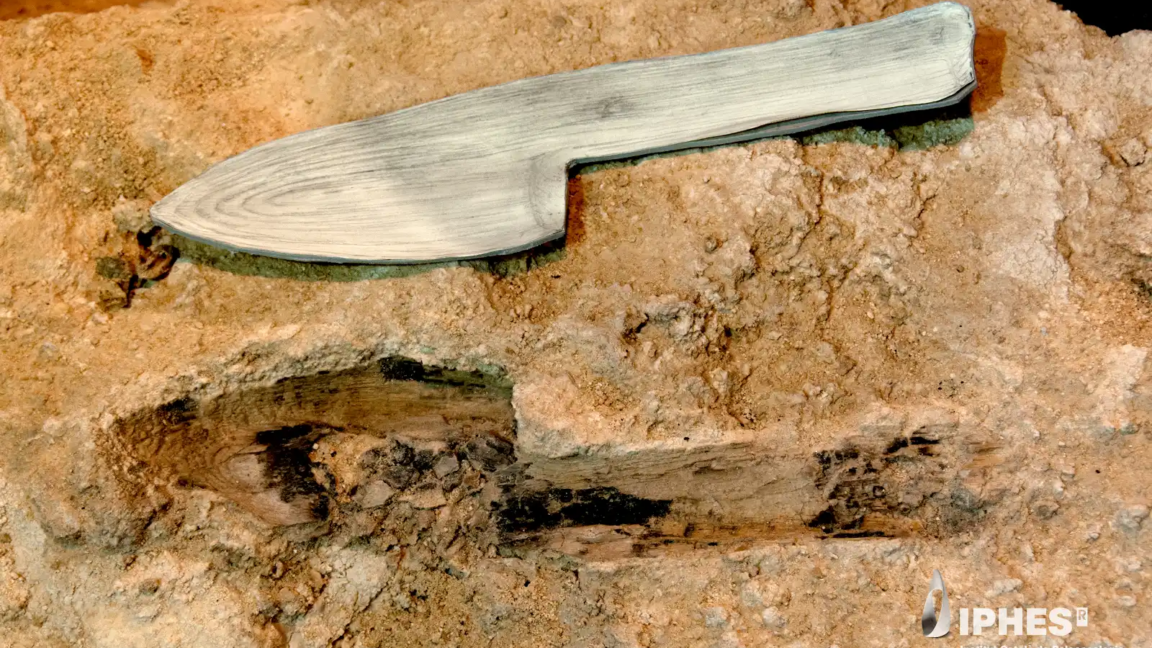
Archaeologists have discovered a significant collection of 597 wooden artifacts at the Abric Romaní rock shelter in Spain, dating back 62,000 to 40,00…
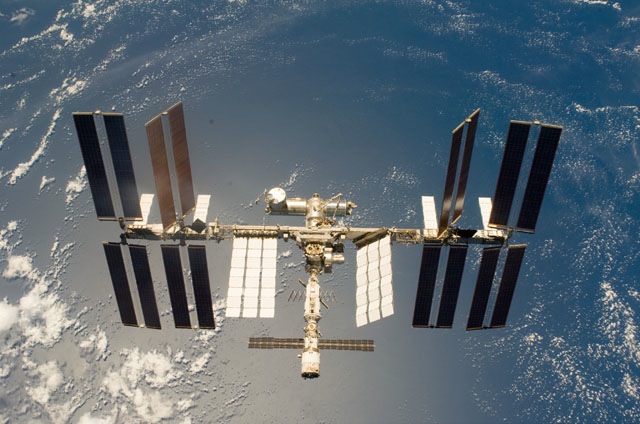
NASA has officially released a request for proposals (RFP) to the U.S. commercial space industry, seeking partners to develop private space stations.…

A translation of Stephen Hawking's landmark paper on black hole radiation has been published on Habr. Over half a century ago, Hawking proposed the co…