
Perhaps the only useful application of DLSS 5: black and white films
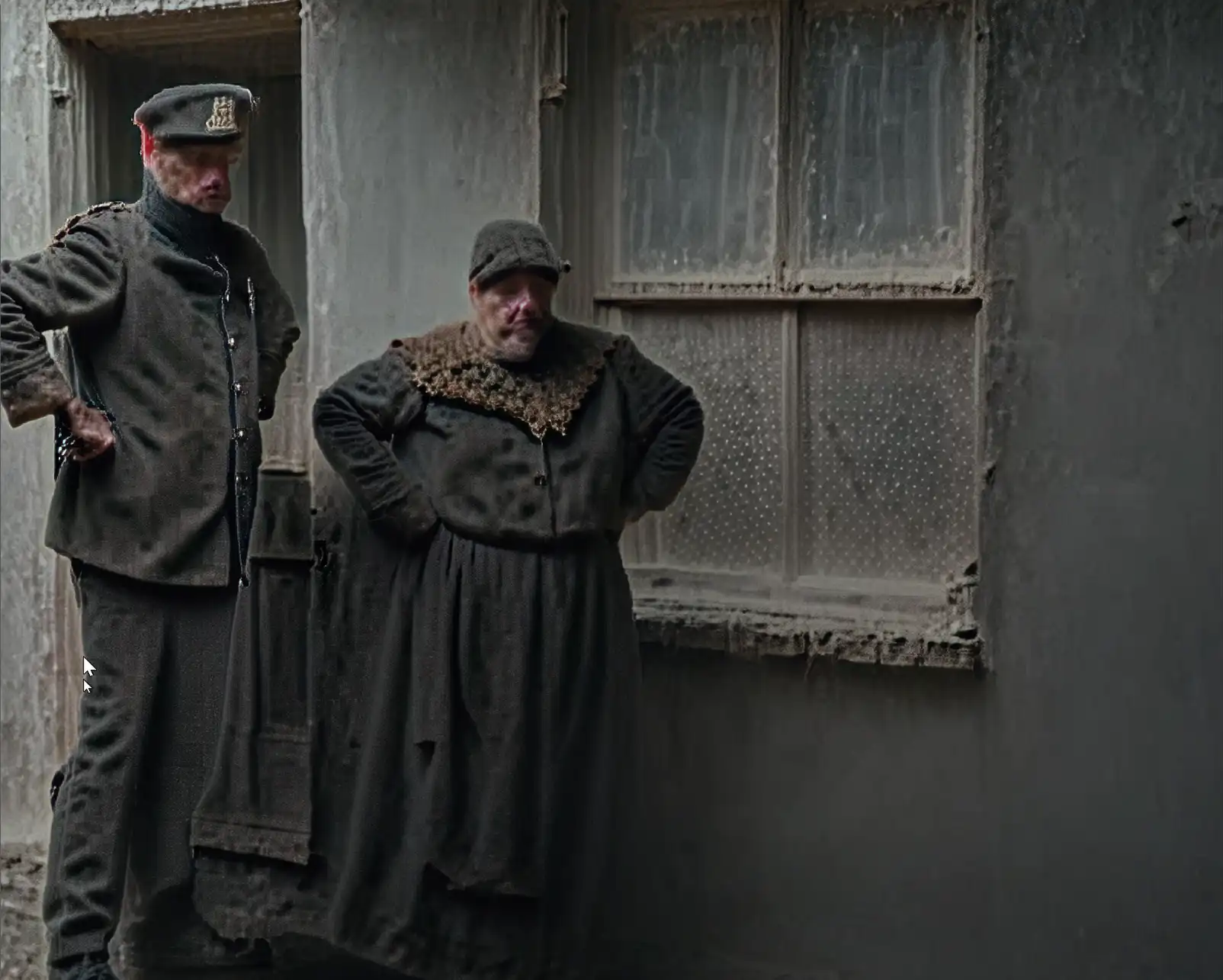
In a recent article on Habr, the author conducts an unusual experiment using DLSS 5 upscaling technology to process black and white films. Although the author admits the result is "disgusting" and calls it an "experiment for the sake of an experiment," they highlight the very fact that neural network scaling algorithms can be applied to classic cinema. The author ironically criticizes their own actions, emphasizing that the visual quality leaves much to be desired, but the process itself demonstrates the boundaries of modern artificial intelligence technologies. The article is more of an entertaining and exploratory piece rather than a professional video restoration effort. It represents another attempt by enthusiasts to find non-standard applications for gaming technologies in other media sectors, even if the final result horrifies the author.
This is a summary. Read the full article at the original source:
HabrRelated stories

12 Sprites and 61 Colors: How a Neural Network Built a Pixel-Art Mascot from Qwen Image 2.1 Drafts
The author shares their experience in converting images generated by Qwen Image 2.1 into functional pixel-art sprites. Raw AI outputs often contain th…
.gif)
AI-Generated Influencers Are Appropriating Comedians' Material for Monetization
A growing network of AI-generated social media influencers is increasingly utilizing the intellectual property of stand-up comedians to drive traffic…

ChatGPT can now look at your Chrome tabs to do tasks for you
OpenAI has updated its ChatGPT Chrome extension, introducing a new feature that allows the AI to interact directly with your open browser tabs. This u…