
12 Sprites and 61 Colors: How a Neural Network Built a Pixel-Art Mascot from Qwen Image 2.1 Drafts
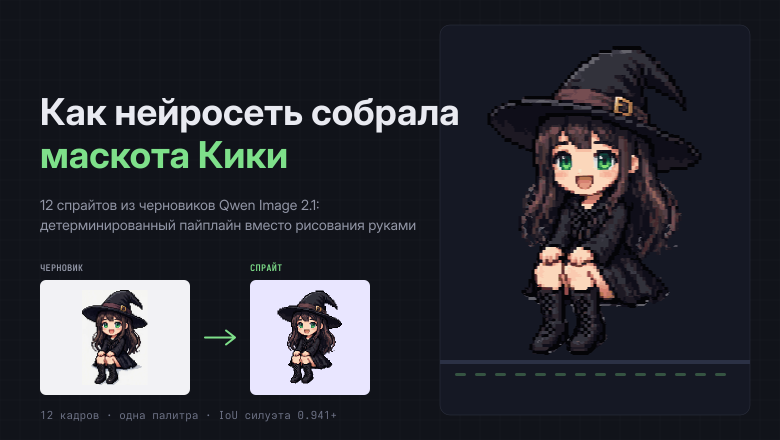
The author shares their experience in converting images generated by Qwen Image 2.1 into functional pixel-art sprites. Raw AI outputs often contain thousands of colors and lack a consistent grid, rendering them unsuitable for animation or palette swapping. The article outlines a technical pipeline that transforms these 'drafts' into a strict format where each pixel corresponds to a single color from a defined palette. The author details the processing steps, including color indexing and grid alignment, while highlighting common pitfalls encountered at each stage. This approach enables the creation of high-quality mascots for web projects while maintaining control over the character's visual properties—a level of precision that is impossible to achieve with raw generative model outputs.
This is a summary. Read the full article at the original source:
HabrRelated stories
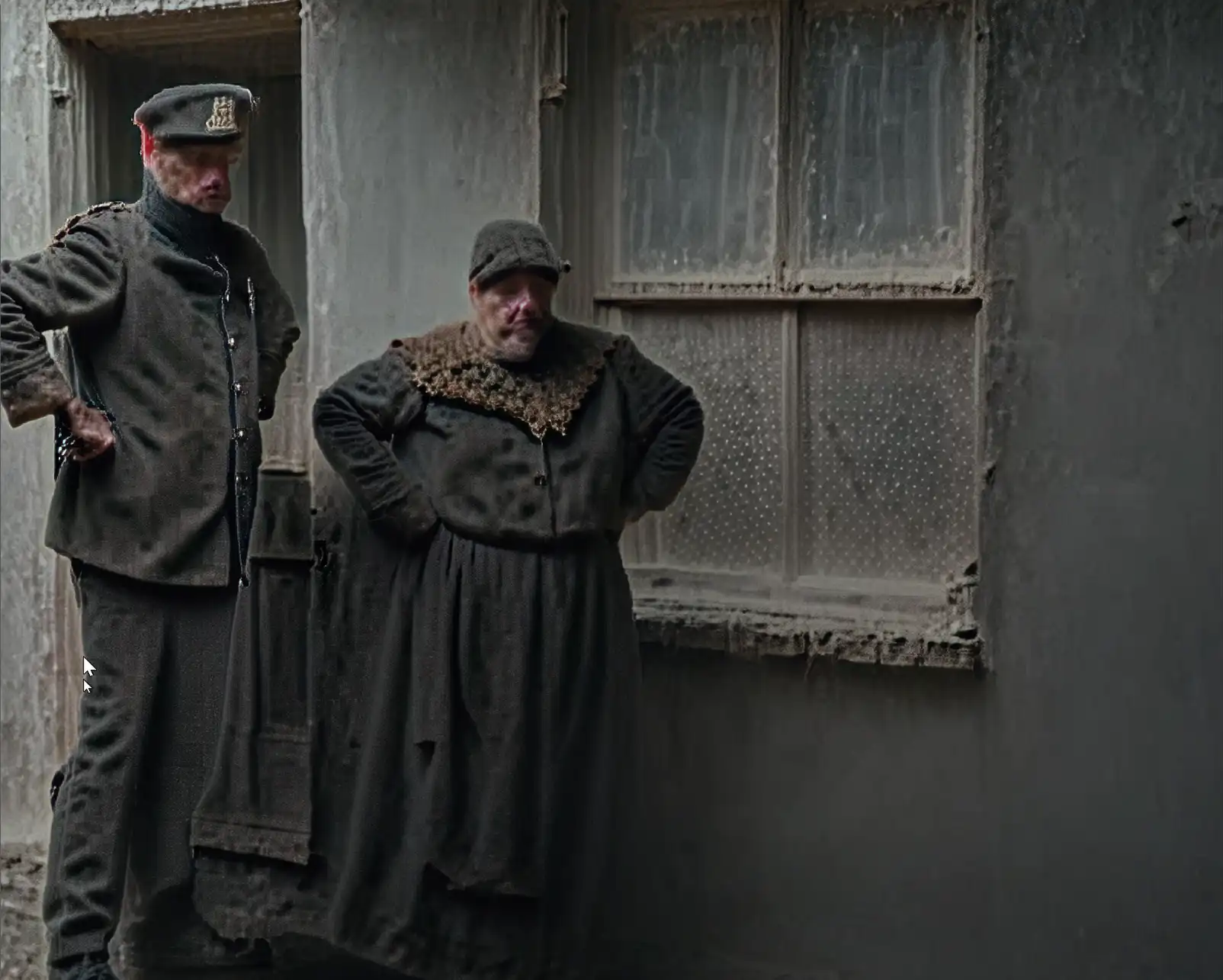
Perhaps the only useful application of DLSS 5: black and white films
In a recent article on Habr, the author conducts an unusual experiment using DLSS 5 upscaling technology to process black and white films. Although th…
.gif)
AI-Generated Influencers Are Appropriating Comedians' Material for Monetization
A growing network of AI-generated social media influencers is increasingly utilizing the intellectual property of stand-up comedians to drive traffic…
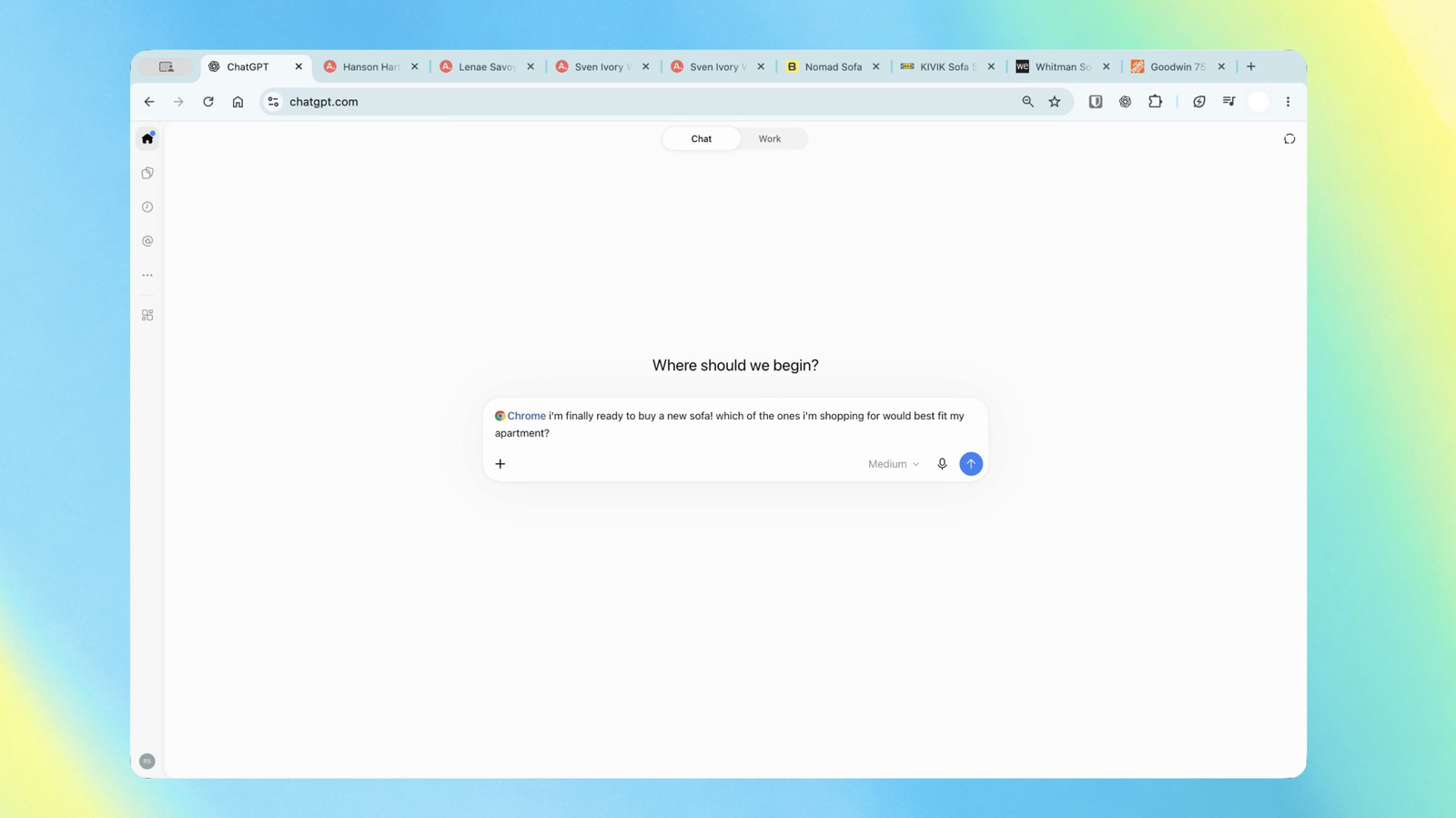
ChatGPT can now look at your Chrome tabs to do tasks for you
OpenAI has updated its ChatGPT Chrome extension, introducing a new feature that allows the AI to interact directly with your open browser tabs. This u…