

A long-standing mystery regarding Venus' yellowish 'lower haze' has finally been solved. First observed by Venera and Pioneer Venus probes in the 1970s, the origin of this atmospheric layer remained unexplained for decades. New research led by planetary scientist Hiroki Karyu at Tohoku University reveals that the haze is composed of cosmic dust particles resulting from meteorites burning up in the planet's atmosphere. Using a microphysical model, the team demonstrated that these particles interact with sulfuric acid, creating a persistent haze layer. These cosmic dust particles serve as efficient condensation nuclei, which not only sustain the lower haze but also facilitate cloud formation in the main cloud deck. This discovery, published in Nature Astronomy, provides a definitive explanation for the phenomenon, confirming that the continuous influx of interplanetary debris plays a crucial role in shaping the Venusian atmosphere.
This is a summary. Read the full article at the original source:
Ars TechnicaRelated stories
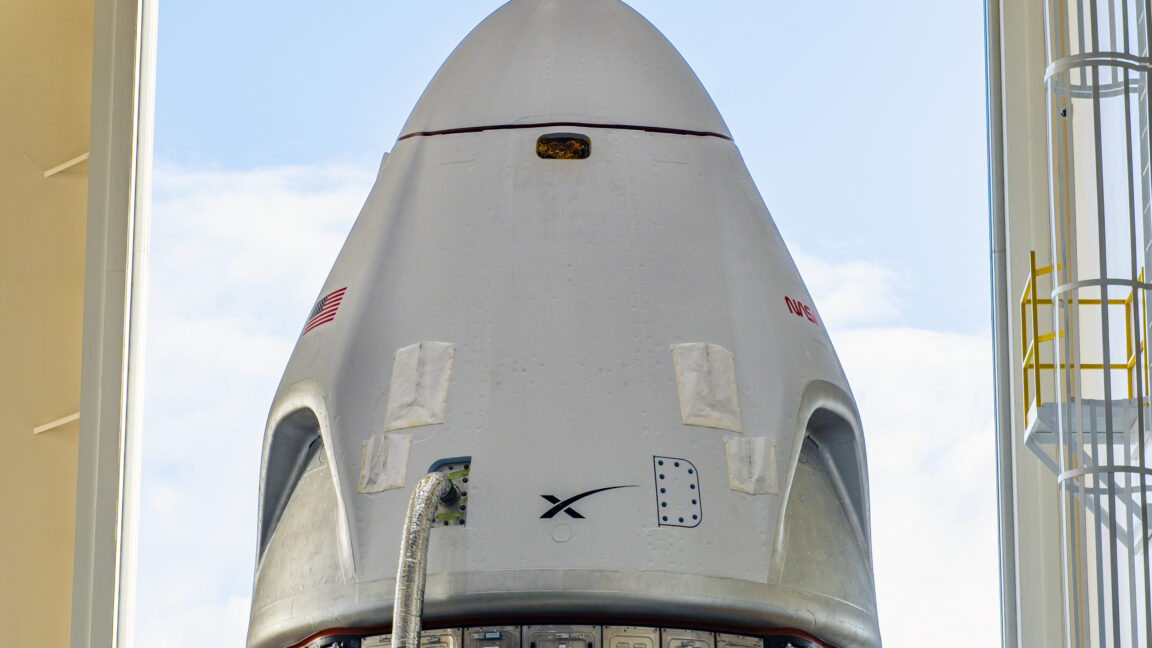
A four-person crew successfully launched from Cape Canaveral Space Force Station on Thursday, beginning a six-month mission to the International Space…

Google estimates SpaceX Starship requires 1,600 launches for space data center viability
Google has taken a significant step toward space-based computing by launching its first advanced chip into orbit. This initiative aims to explore the…

A recent study published in AGU Advances challenges the traditional perception of oxygen-deprived underwater zones, often labeled as 'dead zones.' Res…