
Oxygen-deprived underwater zones may not be 'dead zones' but clues to early life
A recent study published in AGU Advances challenges the traditional perception of oxygen-deprived underwater zones, often labeled as 'dead zones.' Researchers investigating these hypoxic environments have discovered that they may not be devoid of biological significance. Instead, these areas could provide critical insights into the conditions that supported the emergence and evolution of early life on Earth. By analyzing microbial activity and chemical signatures in these low-oxygen settings, scientists are re-evaluating how life adapts to extreme environments. This research suggests that such zones act as modern analogs for ancient oceanic conditions, offering a window into the planet's primordial history. The findings indicate that rather than being ecological failures, these zones are complex, active ecosystems that help us understand the resilience of life and the potential for similar biological processes on other planets, fundamentally shifting our scientific approach to marine conservation and evolutionary biology.
This is a summary. Read the full article at the original source:
Hacker News (YC)Related stories

Google estimates SpaceX Starship requires 1,600 launches for space data center viability
Google has taken a significant step toward space-based computing by launching its first advanced chip into orbit. This initiative aims to explore the…
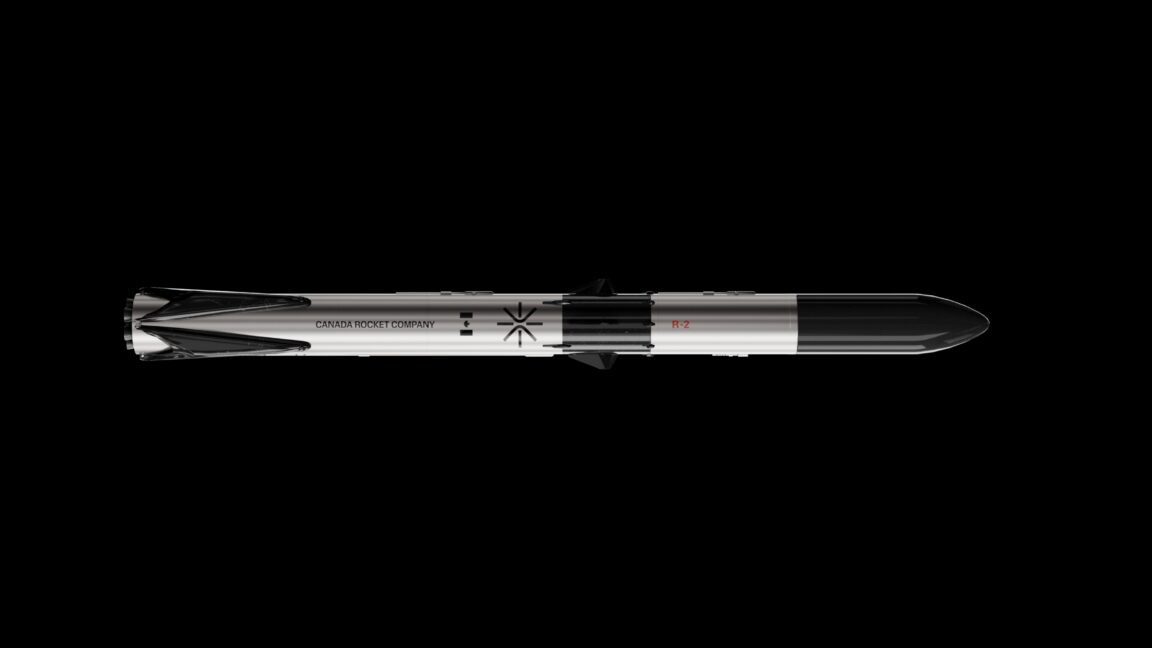
Canada is accelerating efforts to establish an independent domestic space launch industry, moving away from its historical reliance on American infras…

Polyedergarten is a specialized online resource dedicated to the art and mathematics of paper polyhedra. The website provides a comprehensive collecti…