
US military ends long-running program to spot nuclear missile launches
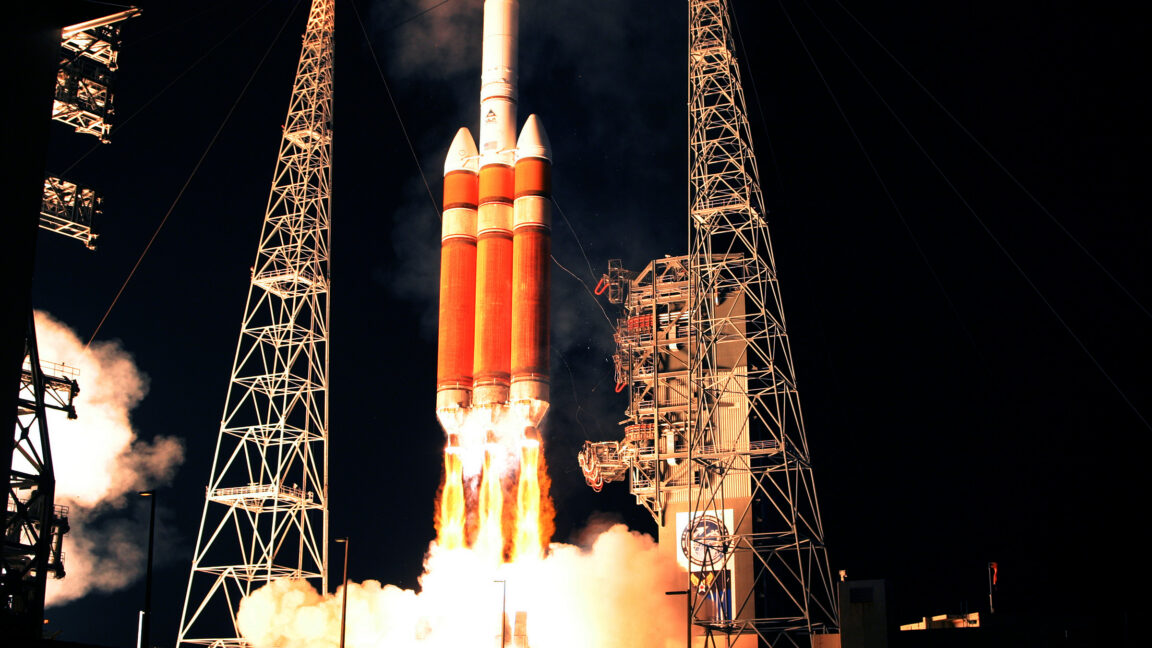
The United States military has officially concluded a long-standing surveillance program dedicated to detecting nuclear missile launches from space. The initiative, which began in the early 1970s, relied on payloads launched via Titan rockets from Cape Canaveral, now a Space Force station. These satellites provided critical early-warning capabilities for decades, evolving alongside the changing landscape of spaceflight. The transition marks the end of an era that saw the shift from the Titan rocket program to the modern era of commercial spaceflight, notably involving SpaceX. While the specific details of the retired payloads remained classified for years, their operational conclusion signifies a major update in how the military monitors global nuclear threats. The decommissioning reflects broader modernization efforts within the US Space Force as it moves toward newer, more advanced detection technologies to maintain national security in an increasingly complex orbital environment.
This is a summary. Read the full article at the original source:
Ars TechnicaRelated stories

In this article, astrophysicist Ethan Siegel explores fundamental questions about the early history of the Universe, analyzing the formation of the fi…
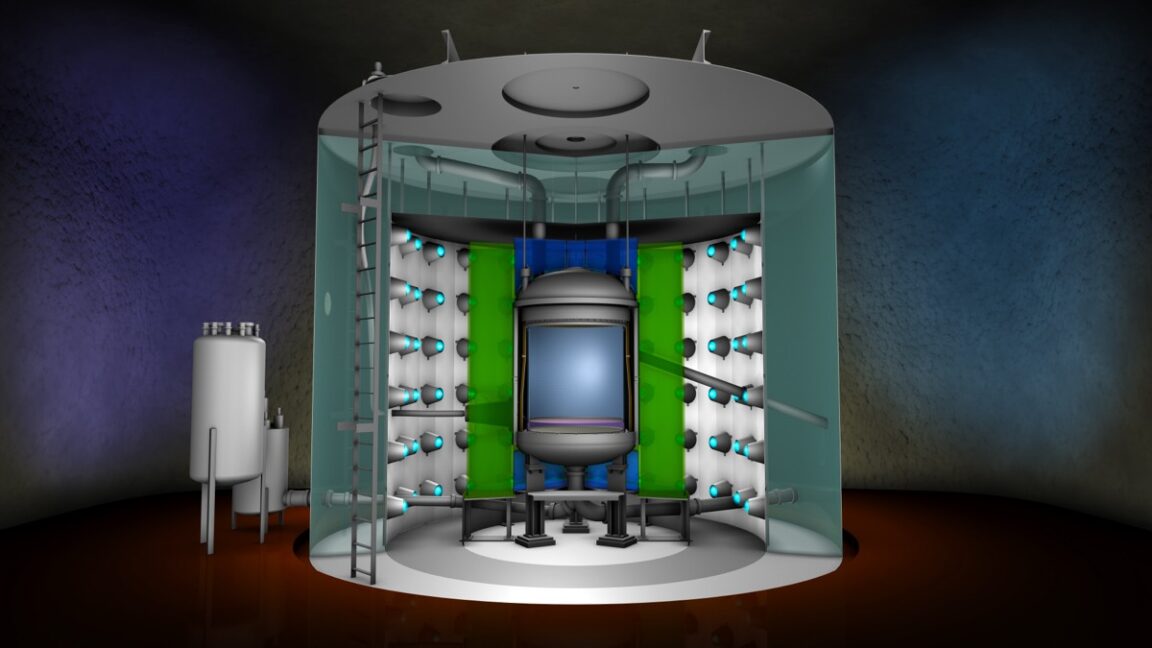
Ars Technica has published its monthly roundup of significant scientific developments that might have otherwise gone unnoticed. The September edition…
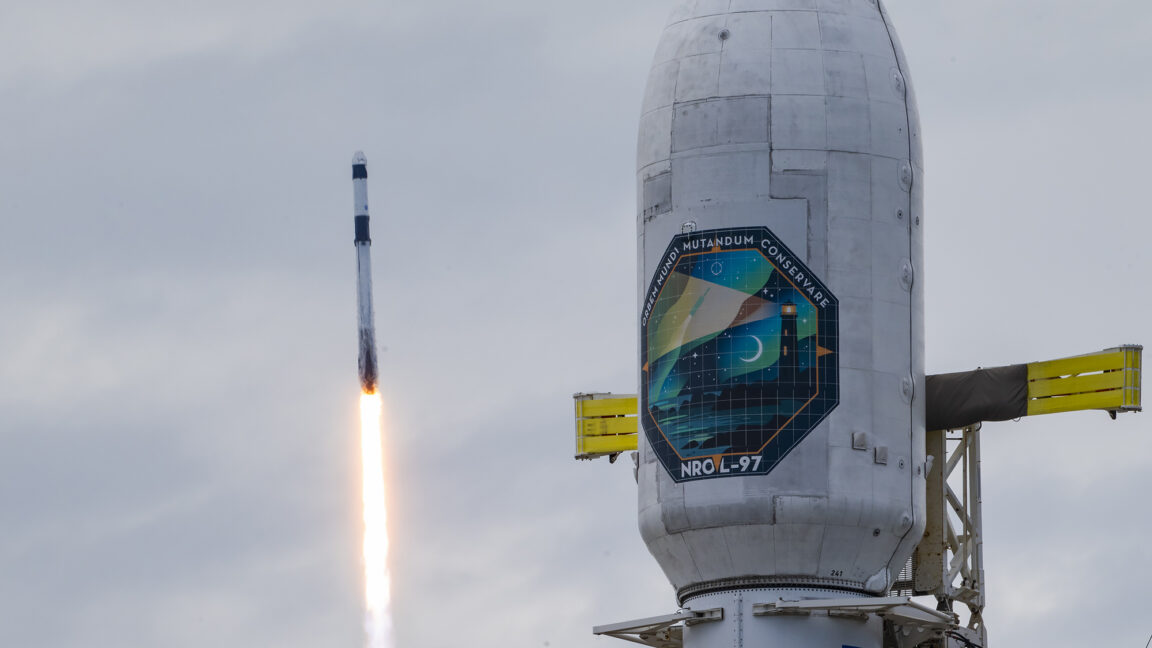
The latest edition of the Rocket Report highlights a significant milestone for SpaceX, as the company successfully completed the first orbital launch…