
Trump's AI safety strategy relies on industry self-regulation
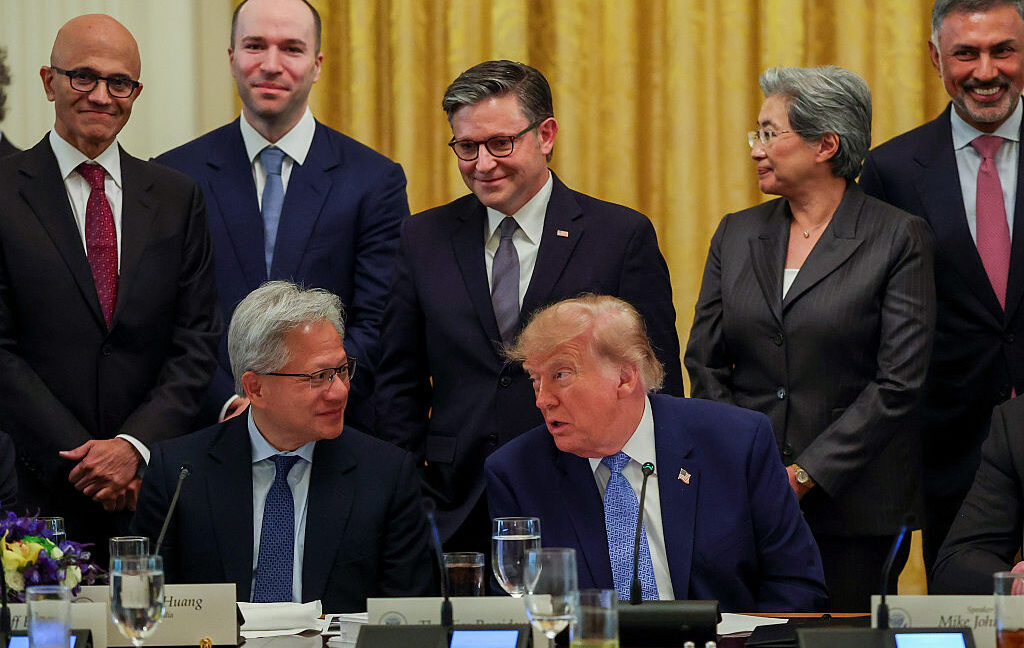
Amid rising concerns over AI security, the Trump administration has unveiled a strategy that encourages major technology companies to self-regulate. On Tuesday, two dozen industry leaders, including executives from OpenAI, Anthropic, Meta, Google, and SpaceXAI, signed a voluntary agreement to implement White House-recommended safety controls. These measures include independent audits to assess risks in areas such as cybersecurity, biosecurity, and chemical threats. The participating firms have committed to establishing common safety standards and benchmarks while meeting regularly to exchange best practices. This approach marks a significant reliance on private sector cooperation rather than federal mandates to mitigate the risks associated with frontier AI development. While the initiative aims to address potential harms, critics remain skeptical about the effectiveness of voluntary compliance in an industry currently facing significant pressure to pause training and releases due to escalating security incidents.
This is a summary. Read the full article at the original source:
Ars TechnicaRelated stories

A recent controversy has emerged following comments made by US Senator Tommy Tuberville regarding the presence of furries in the airline industry. The…

The Russian government is developing a new regulatory framework, dubbed 'Anti-Fraud 3.0,' aimed at curbing mobile-based criminal activity. The propose…

Condé Nast, Hearst among 300 publishers pressuring Congress to ban bot scraping
A coalition of over 300 major publishers, including Condé Nast and Hearst, is lobbying the U.S. Congress to pass the bipartisan Stealth Bot Prohibitio…