
Moscow tightens regulation on SIM market to crack down on fraud
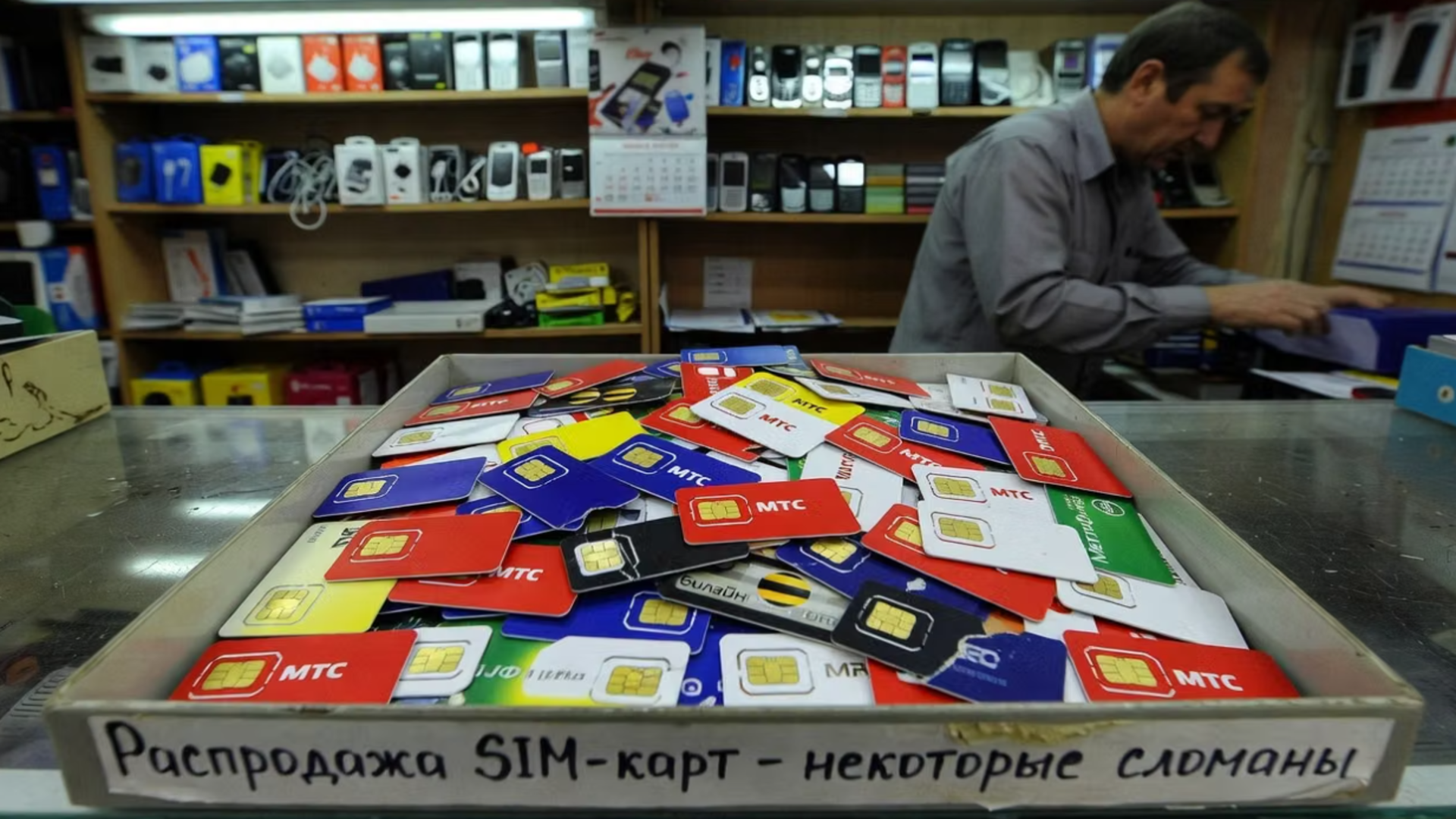
The Russian government is developing a new regulatory framework, dubbed 'Anti-Fraud 3.0,' aimed at curbing mobile-based criminal activity. The proposed measures seek to significantly reduce the number of authorized SIM card sellers by restricting sales to direct operators, effectively eliminating many third-party intermediaries. A key component of the plan involves requiring new SIM cards to be sold with a zero balance, mandating that users complete a formal service agreement and make an initial payment before the line is activated. This process is designed to create traceable payment records, making it harder for fraudsters to use anonymous, disposable numbers. Additionally, the proposal includes stricter requirements for bulk SMS sender identification and the retention of user login data for websites and applications. While industry players like T2 and Beeline argue that existing identity verification laws are already effective, the Finance Ministry continues to refine the proposal to further enhance national security.
This is a summary. Read the full article at the original source:
TechRadarRelated stories

A recent controversy has emerged following comments made by US Senator Tommy Tuberville regarding the presence of furries in the airline industry. The…
Amid rising concerns over AI security, the Trump administration has unveiled a strategy that encourages major technology companies to self-regulate. O…

Condé Nast, Hearst among 300 publishers pressuring Congress to ban bot scraping
A coalition of over 300 major publishers, including Condé Nast and Hearst, is lobbying the U.S. Congress to pass the bipartisan Stealth Bot Prohibitio…