
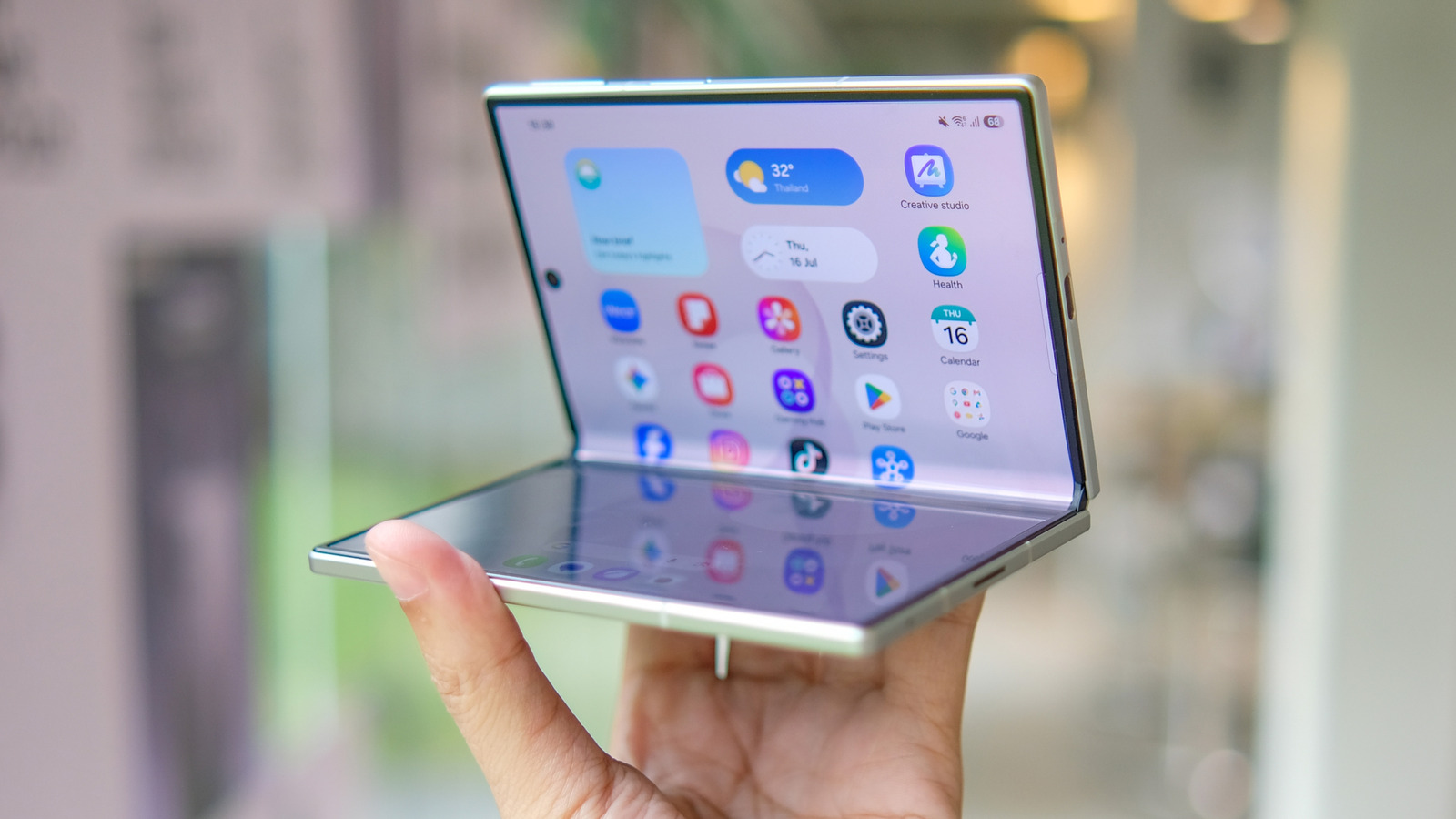
Foldable phones have transitioned from experimental prototypes to viable consumer devices, yet they remain a polarizing choice for many users. The primary advantage of these devices is their ability to offer a large, tablet-like screen experience within a compact, pocketable form factor, which significantly enhances multitasking and media consumption. However, this innovation comes with notable trade-offs. Prospective buyers must weigh the benefits against concerns regarding display durability, the visibility of the crease, and the premium price point compared to traditional flagship smartphones. Additionally, while software optimization has improved, some applications still struggle to adapt seamlessly to changing aspect ratios. As the market matures, manufacturers are addressing these hardware challenges, but the decision to switch to a foldable remains a balance between embracing cutting-edge form factors and accepting the inherent compromises in longevity and cost.
This is a summary. Read the full article at the original source:
EngadgetRelated stories

The mobile application landscape in 2026 presents a stark contrast between market saturation and revenue distribution. While the volume of new app lau…

As foldable smartphone technology matures, consumers are increasingly considering whether these devices can effectively replace traditional tablets. M…
This article explores the use of the gRPC protocol as an alternative to the traditional REST approach for client-server communication in iOS applicati…