

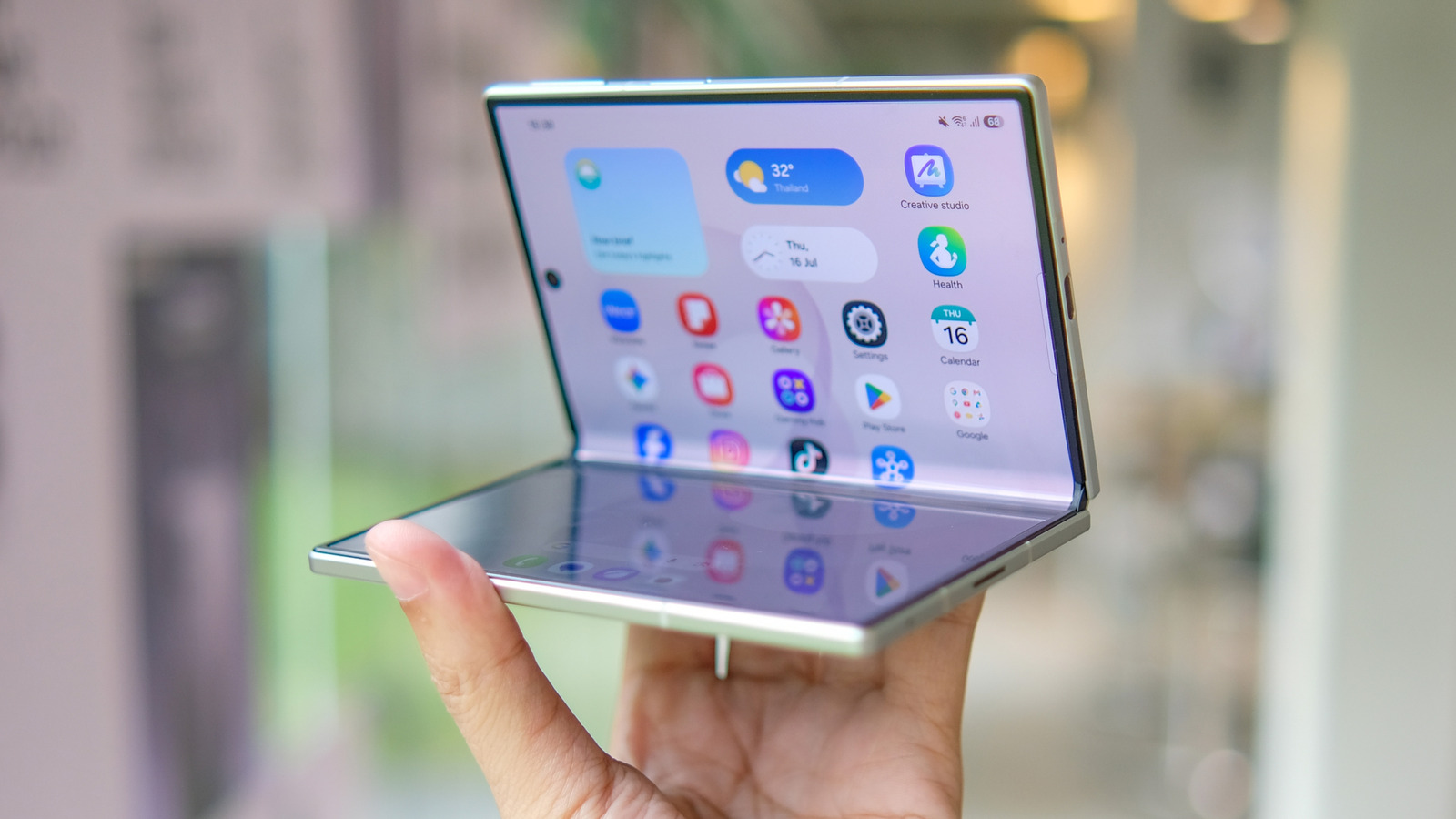
As foldable smartphone technology matures, consumers are increasingly considering whether these devices can effectively replace traditional tablets. Modern foldable phones, such as the Google Pixel Fold or Samsung Galaxy Z Fold series, offer expansive internal displays that approach the screen real estate of an iPad Mini. This shift prompts a debate about the necessity of carrying two separate devices. While tablets still hold advantages in battery life, specialized stylus support, and price-to-performance ratios, foldables provide a unique 'all-in-one' convenience for users who prioritize portability. The decision largely depends on individual usage patterns: those who primarily consume media or perform light productivity tasks may find that a foldable device eliminates the need for a dedicated tablet. However, power users requiring extensive multitasking or professional-grade creative tools may still prefer the dedicated tablet experience. Ultimately, the gap between these form factors continues to narrow as software optimization improves.
This is a summary. Read the full article at the original source:
EngadgetRelated stories

The mobile application landscape in 2026 presents a stark contrast between market saturation and revenue distribution. While the volume of new app lau…
This article explores the use of the gRPC protocol as an alternative to the traditional REST approach for client-server communication in iOS applicati…
Foldable phones have transitioned from experimental prototypes to viable consumer devices, yet they remain a polarizing choice for many users. The pri…