
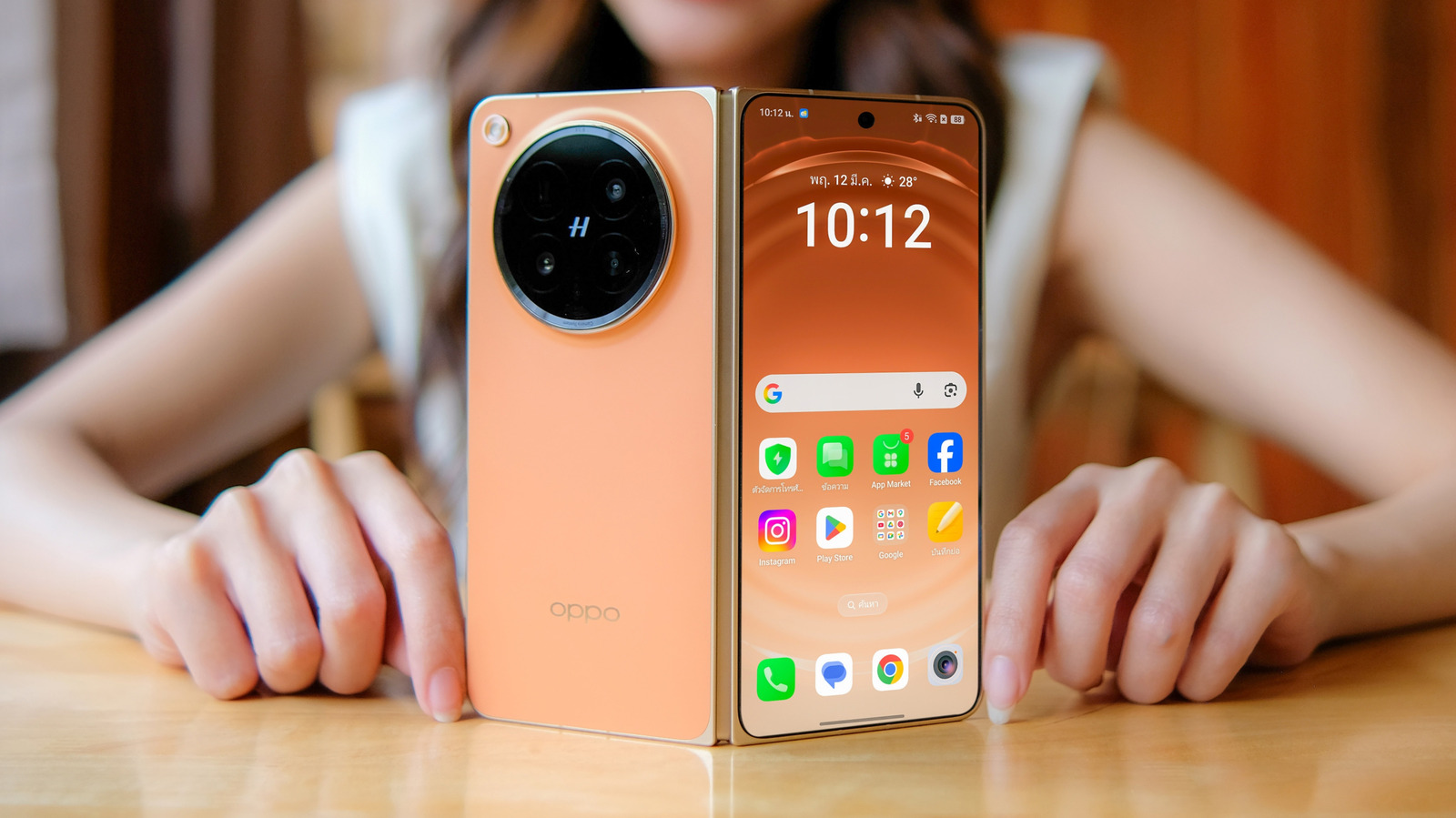
Importing smartphones that are not officially released in the United States has become a popular way for tech enthusiasts to access unique hardware, specialized camera systems, or innovative software features. However, this practice comes with significant risks and technical hurdles. The primary challenge is network compatibility; foreign devices may not support the specific LTE or 5G bands used by major US carriers, leading to poor connectivity or complete service failure. Additionally, users often face difficulties with warranty support, as manufacturers rarely honor international guarantees for devices imported outside their official distribution channels. Software limitations, such as missing Google Mobile Services on certain regional models or regional restrictions on features like NFC payments, can also degrade the user experience. While the allure of exclusive hardware is strong, consumers must carefully research carrier band support and software compatibility before committing to an international purchase.
This is a summary. Read the full article at the original source:
EngadgetRelated stories
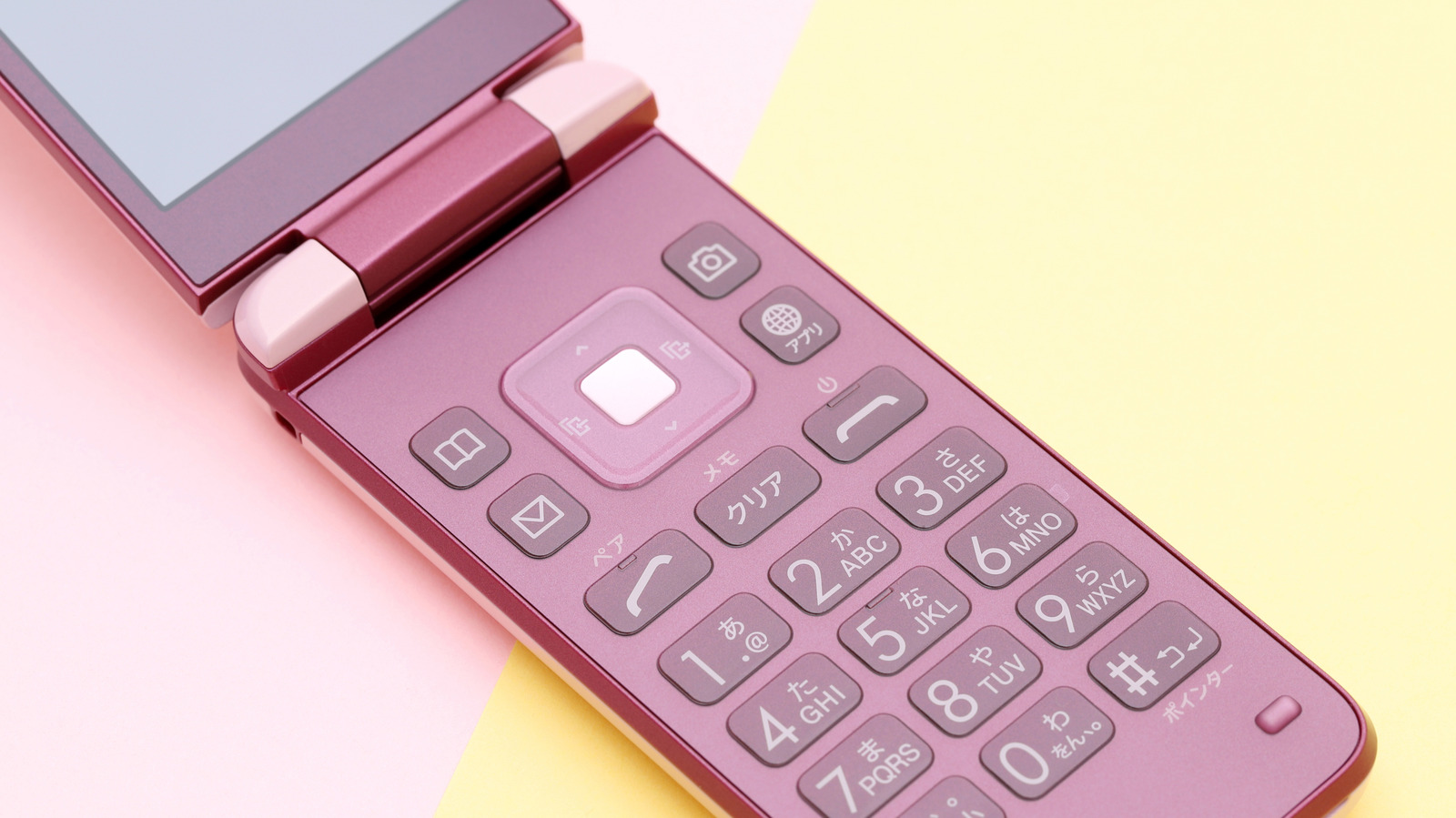
For years, Japan maintained a unique mobile landscape where traditional flip phones, known as 'garakei,' remained popular long after the rest of the w…
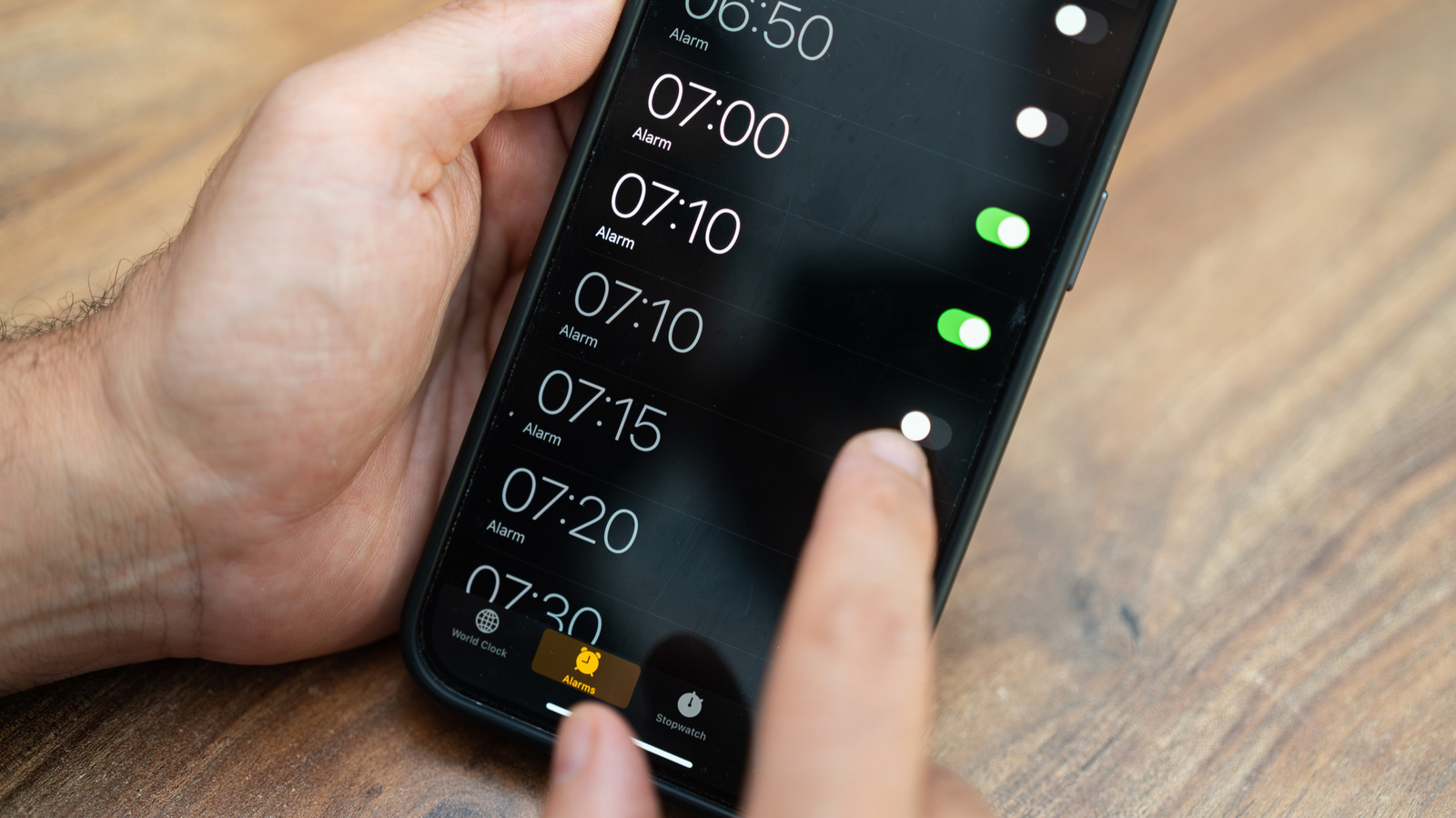
A peculiar limitation has been discovered within the iPhone's native Clock application that most users are unlikely to encounter in daily use. While t…
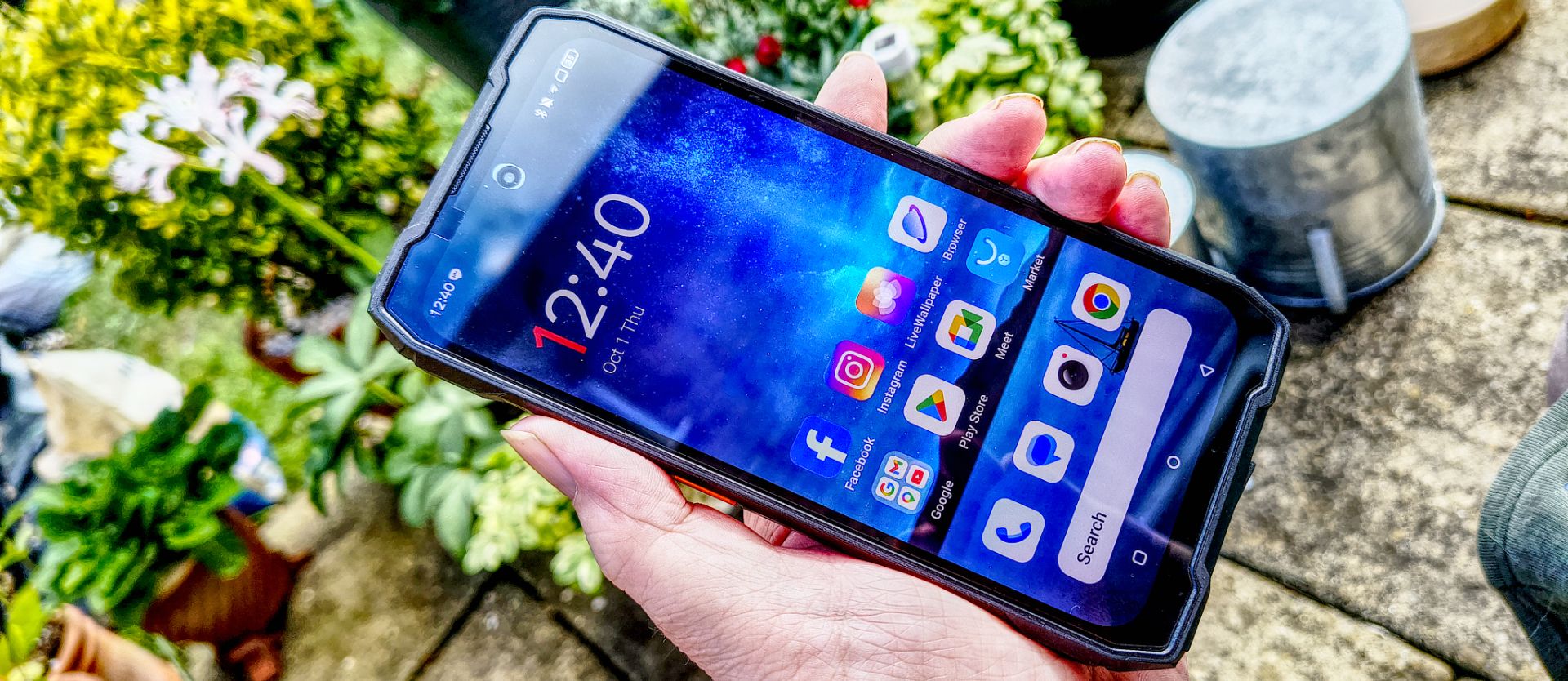
The Oscal Pilot 8 enters the rugged smartphone market with a focus on balancing durability with performance and portability. Featuring a Qualcomm Drag…