
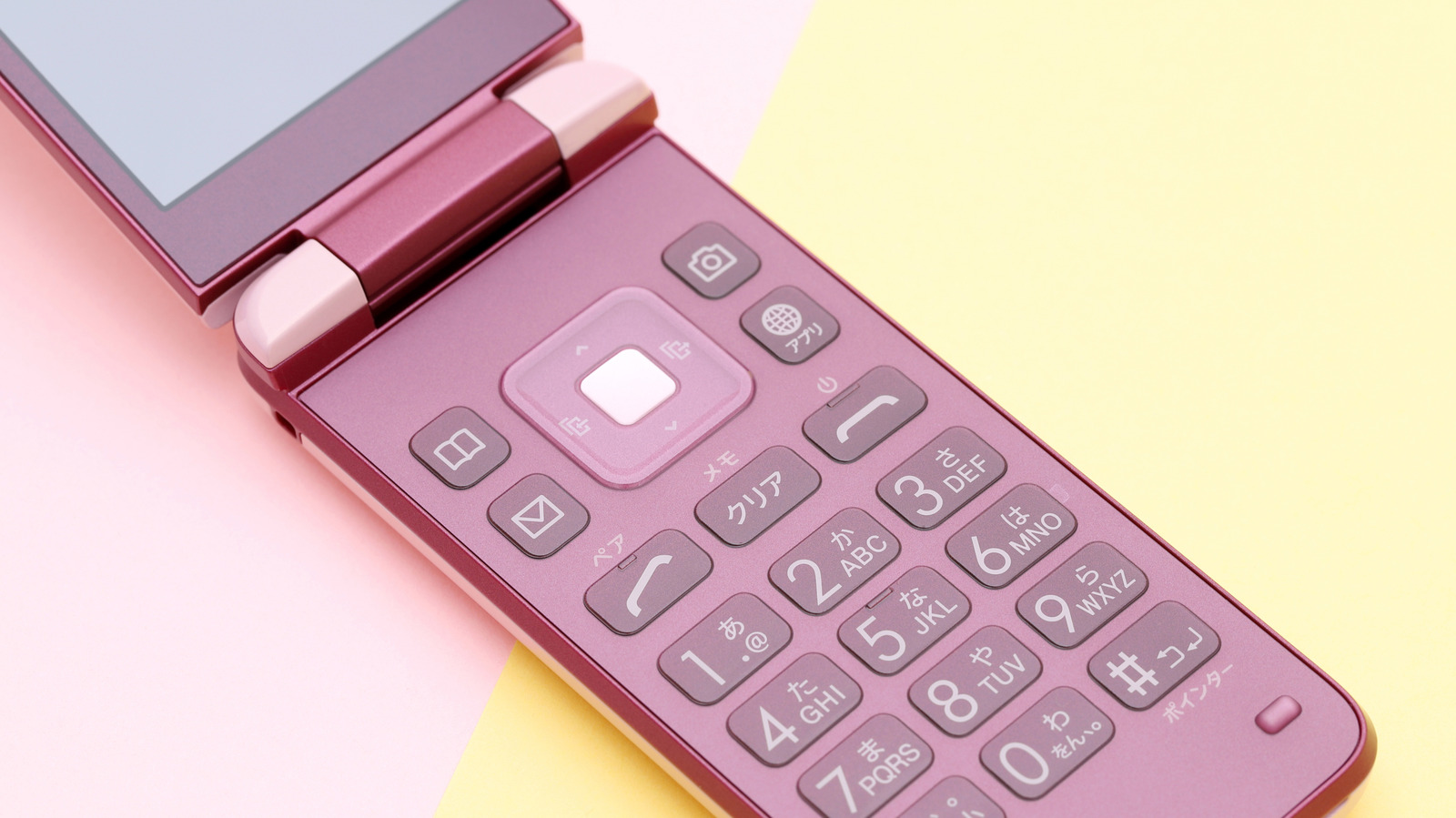
For years, Japan maintained a unique mobile landscape where traditional flip phones, known as 'garakei,' remained popular long after the rest of the world transitioned to smartphones. These devices offered specialized features tailored to local needs, such as mobile payments and television tuners, which were ahead of their time. However, the global shift toward high-speed mobile internet, app-based ecosystems, and the dominance of iOS and Android has finally forced a transition. As network carriers phase out 3G support and consumer demand for advanced digital services grows, the iconic Japanese flip phone is being relegated to history. This shift marks the end of an era for Japan's distinct tech culture, signaling a full integration into the global smartphone market as users prioritize connectivity and modern software capabilities over the simplicity and durability of legacy hardware.
This is a summary. Read the full article at the original source:
EngadgetRelated stories
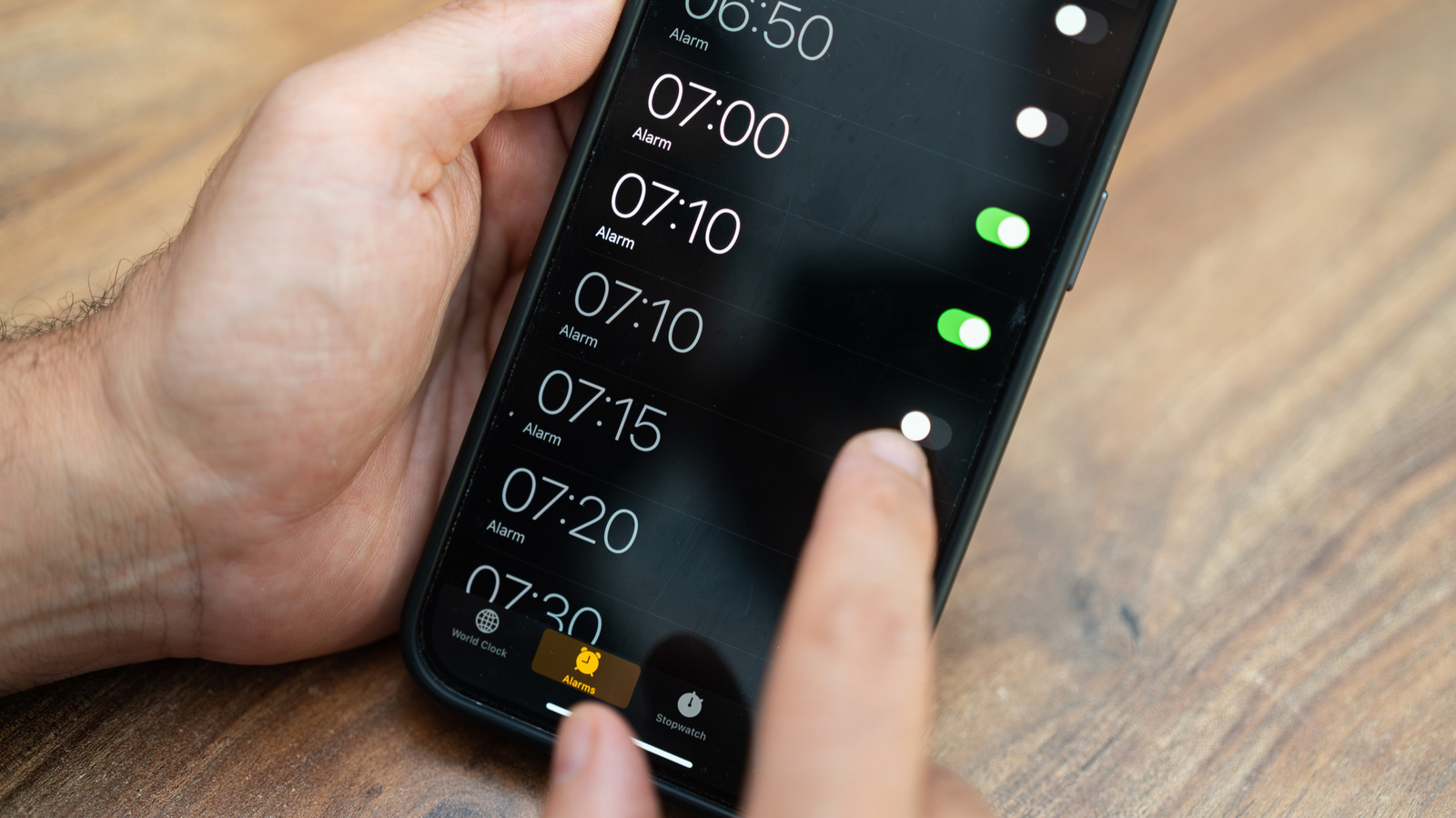
A peculiar limitation has been discovered within the iPhone's native Clock application that most users are unlikely to encounter in daily use. While t…
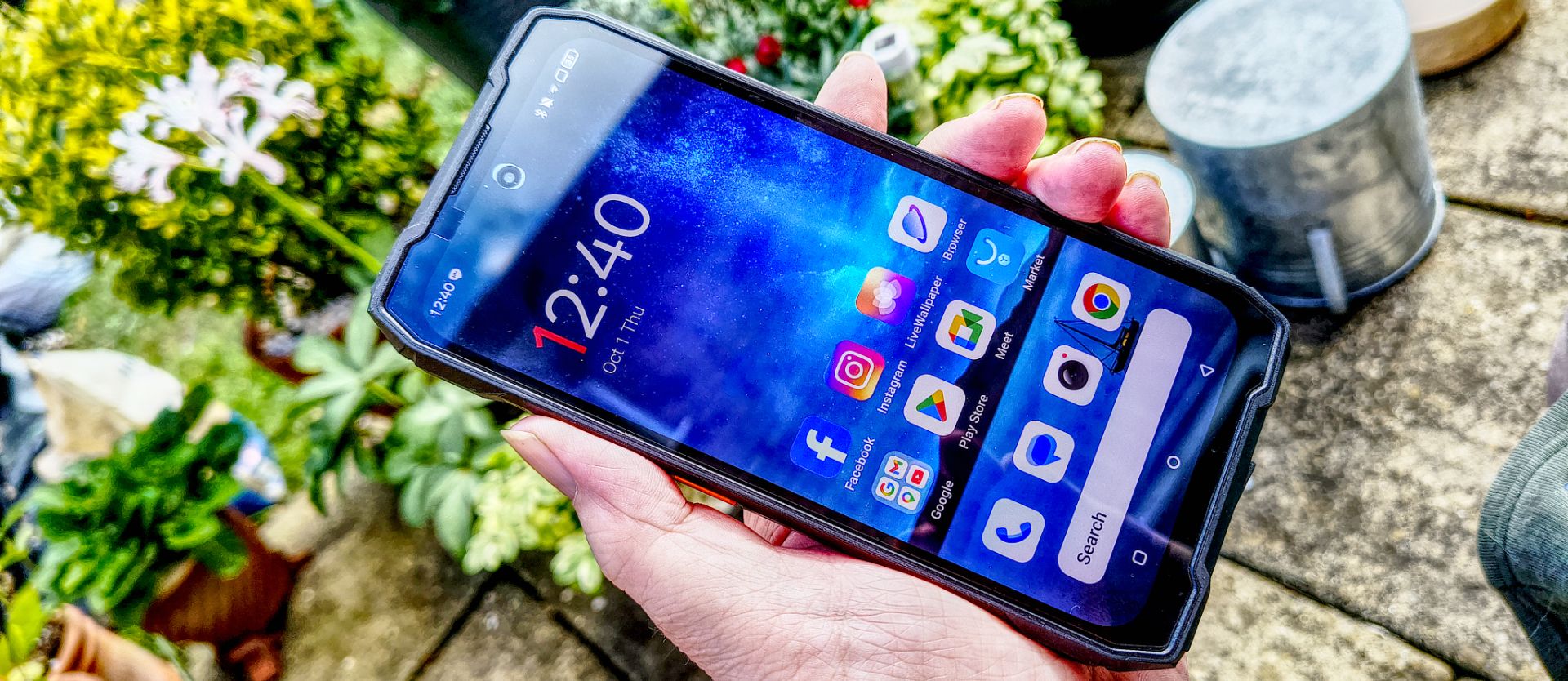
The Oscal Pilot 8 enters the rugged smartphone market with a focus on balancing durability with performance and portability. Featuring a Qualcomm Drag…
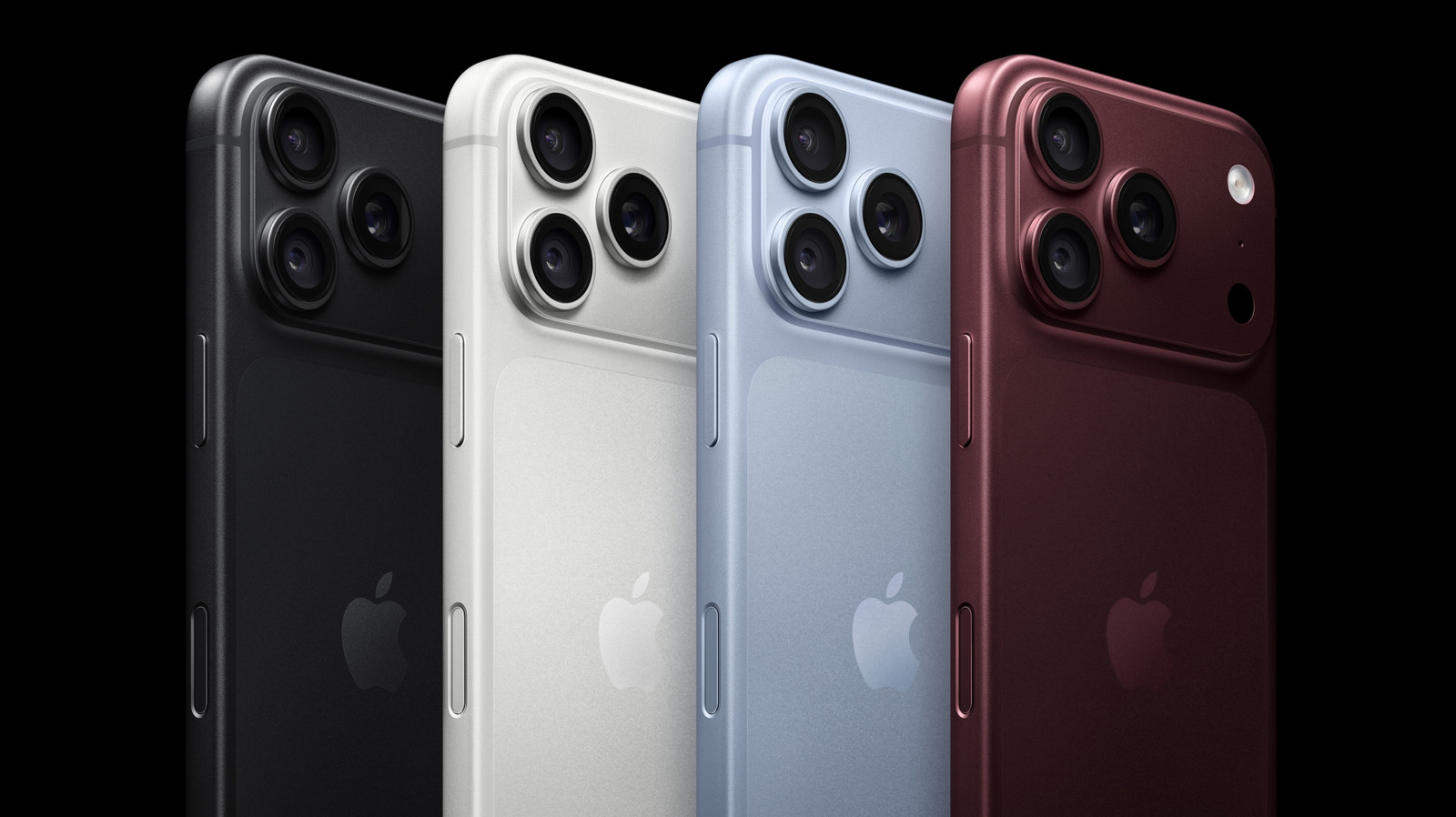
Apple has issued a warning regarding the use of magnetic accessories with iPhones, specifically noting that strong magnets can interfere with the devi…