
SpaceX's Starship achieves orbit and deploys next-gen Starlink satellites
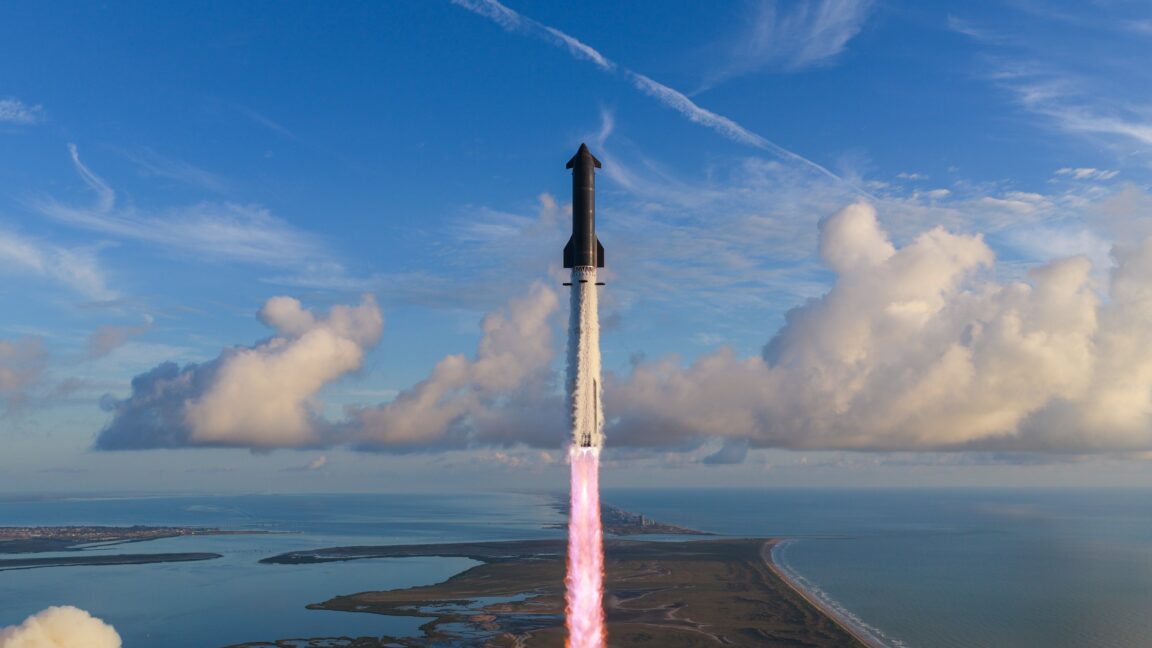
SpaceX successfully launched its Starship rocket from South Texas on Monday, marking the vehicle's 14th test flight. In a significant milestone, the rocket reached orbital velocity for the first time, moving beyond the suborbital trajectories used in previous tests. The mission demonstrated the full potential of the Raptor engines, allowing the massive upper stage to complete a full lap around the planet. Beyond the technical achievement of orbital flight, the mission served a practical purpose: the deployment of 26 next-generation Starlink broadband satellites. These satellites, which are too large for the standard Falcon 9 rocket, were released from the cargo bay using a specialized pulley-based deployment system. This successful operation confirms Starship's readiness to serve as a heavy-lift vehicle for SpaceX's growing satellite constellation, signaling a new phase in the company's orbital launch capabilities and infrastructure expansion.
This is a summary. Read the full article at the original source:
Ars TechnicaRelated stories

NASA has officially announced plans to purchase two additional flights on Boeing's Starliner spacecraft. This decision aims to ensure continued access…

A new study published in the journal Space Weather has clarified a long-standing historical mystery regarding early space weather impacts. Researchers…
/https://tf-cmsv2-smithsonianmag-media.s3.amazonaws.com/filer_public/41/c0/41c011a5-551b-4c52-a8c6-675129038507/elizabeth1illo.png)
New historical research from the Smithsonian Magazine suggests that the legendary, sharp-tongued correspondence of Queen Elizabeth I may have been hea…