
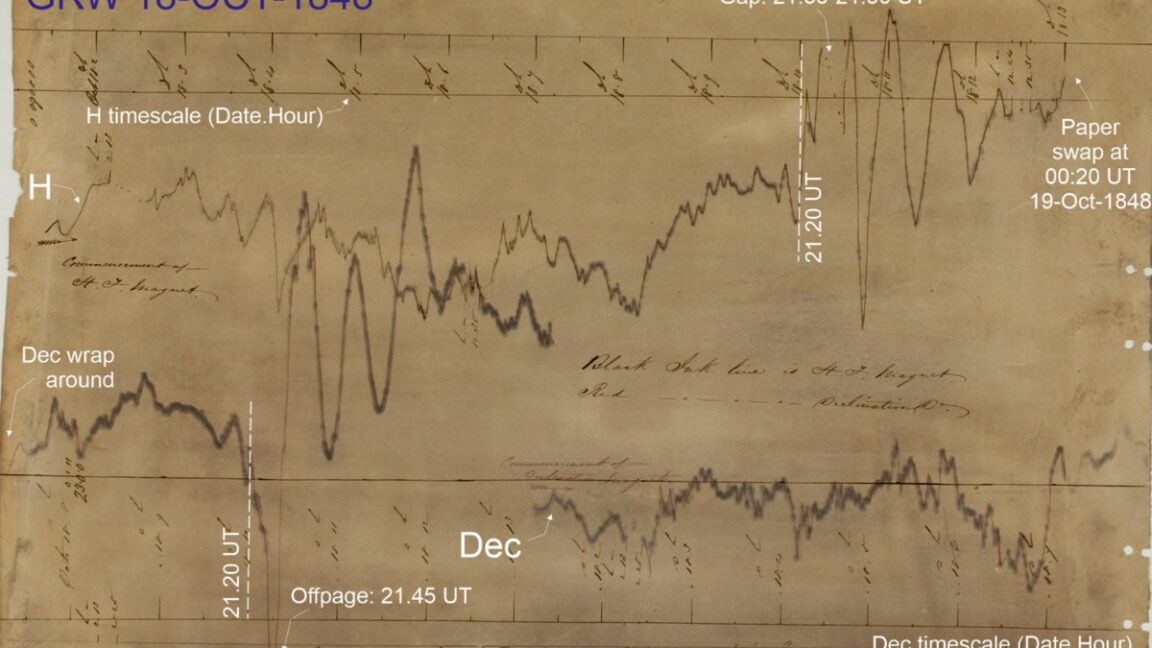
A new study published in the journal Space Weather has clarified a long-standing historical mystery regarding early space weather impacts. Researchers investigated an 1871 report claiming a severe magnetic disturbance disrupted rail travel in Exeter, England, in 1841. By analyzing historical data, the team concluded that the 1841 date was likely a typographical error, with the actual disruption occurring several years later. This finding highlights that society has been vulnerable to space weather since the inception of electrical technology. While the 1859 Carrington Event remains the most powerful geomagnetic storm on record, this research underscores that emerging technologies in the mid-19th century were already encountering the realities of the solar environment. The study serves as a reminder that our dependence on technology has long been intertwined with the unpredictable nature of space weather, providing valuable historical context for modern infrastructure protection.
This is a summary. Read the full article at the original source:
Ars TechnicaRelated stories
/https://tf-cmsv2-smithsonianmag-media.s3.amazonaws.com/filer_public/41/c0/41c011a5-551b-4c52-a8c6-675129038507/elizabeth1illo.png)
New historical research from the Smithsonian Magazine suggests that the legendary, sharp-tongued correspondence of Queen Elizabeth I may have been hea…
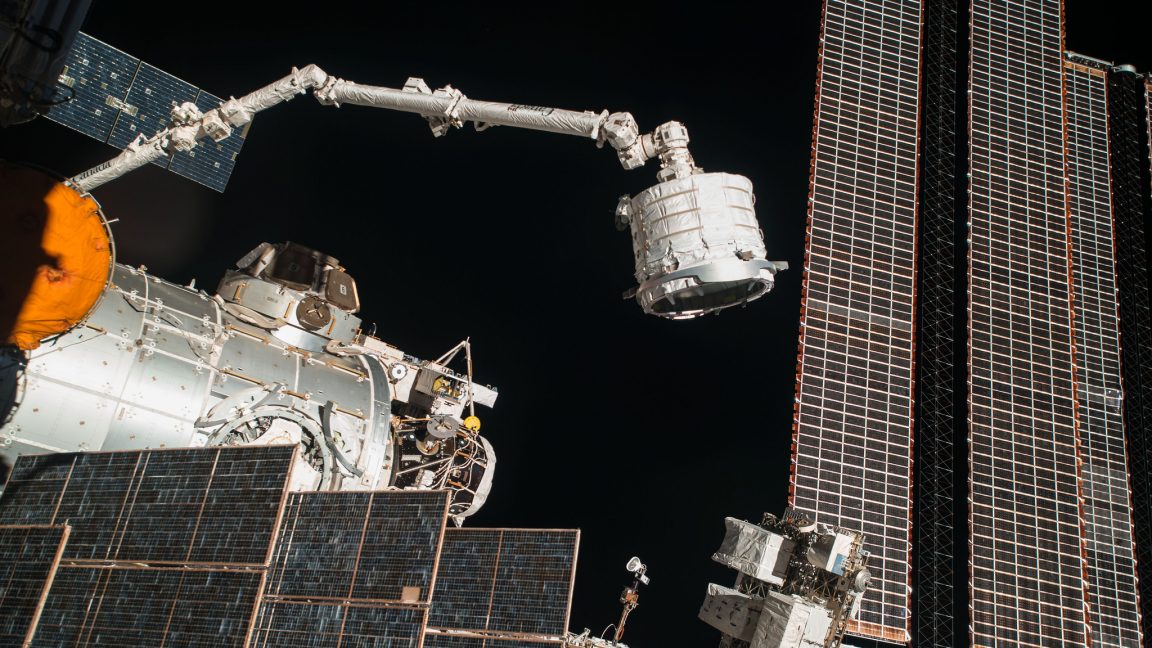
The International Space Station's primary robotic arm, Canadarm2, has encountered a significant operational failure following a routine maintenance ma…

Startup Star Catcher is preparing for a groundbreaking mission that aims to demonstrate the feasibility of wireless power transmission in orbit. The c…