

In 1985, an unusual employee appeared in a Tokyo restaurant: the establishment began using a robot to serve customers. At a time when automation was just beginning to enter the service sector, this project attracted significant public and media attention across Japan. The robot, which performed the duties of a waiter, became a symbol of the technological optimism of that era and a precursor to the modern age of service robotics. Despite its limited capabilities by today's standards, the experiment demonstrated the potential for integrating machines into daily human life. The article on Habr examines the history of this project, the technical features of the device, and the reaction of Japanese society to the appearance of an 'iron' waiter. It offers an interesting look into the past, allowing us to appreciate how far automation technologies have come in recent decades and to recall the first steps of robotics in the hospitality industry.
This is a summary. Read the full article at the original source:
HabrRelated stories
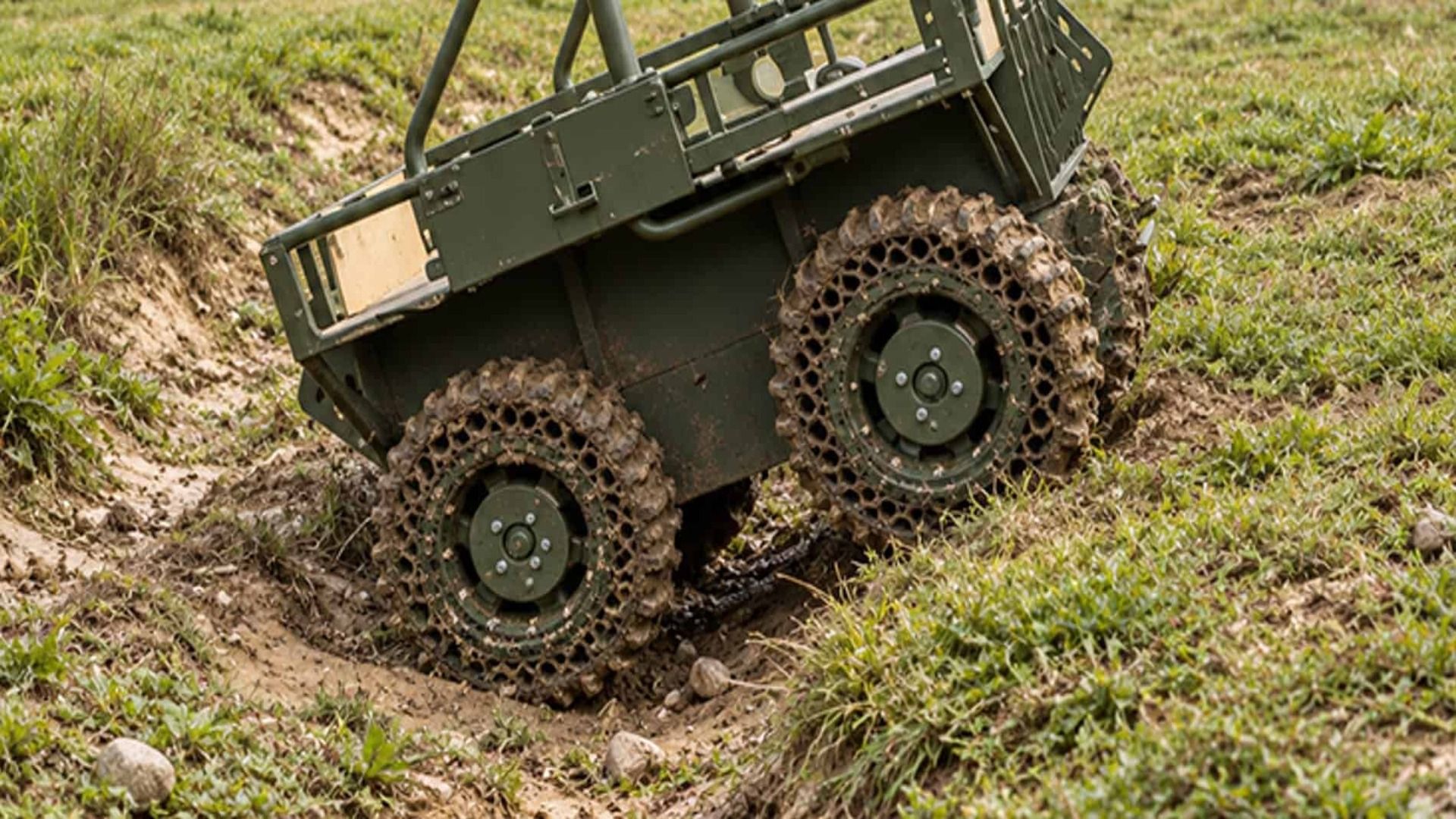
3D-printed airless wheels could be a game changer for Ukraine's ground robotic vehicles
Ukrainian engineers have successfully developed and tested 3D-printed, airless wheels designed for unmanned ground vehicles (UGVs) operating on the fr…

Russia resorts to desperate World War One defence technique to protect its oil refineries
Russia has deployed a modern iteration of World War I-era barrage balloons to protect its oil refineries from Ukrainian drone strikes. The system util…

Industrial Next is aiming to revolutionize manufacturing efficiency by enabling factory robots to transition between complex tasks in mere minutes rat…