

Researchers have identified a concerning new form of environmental pollution where plastic debris and coral reefs are becoming irreversibly fused. This phenomenon, observed in marine environments, involves plastic waste melting or adhering directly to the delicate structures of coral colonies. Scientists warn that this interaction poses a significant threat to marine ecosystems, as the plastic can introduce toxic chemicals, block sunlight, and physically damage the coral's ability to grow and reproduce. Unlike typical plastic pollution that can be cleaned up, this fusion creates a permanent bond that alters the composition of the reef. The discovery highlights the escalating impact of human-made waste on ocean health and underscores the urgent need for global strategies to mitigate plastic contamination in marine habitats. Further studies are underway to determine the long-term biological consequences of this integration on reef biodiversity and the overall resilience of coral populations against climate change.
This is a summary. Read the full article at the original source:
WiredRelated stories

The Download: Climate tech companies to watch and the debate over AI-driven scientific discovery
MIT Technology Review’s latest newsletter highlights the upcoming release of its 2026 'Climate Tech Companies to Watch' list, focusing on innovations…
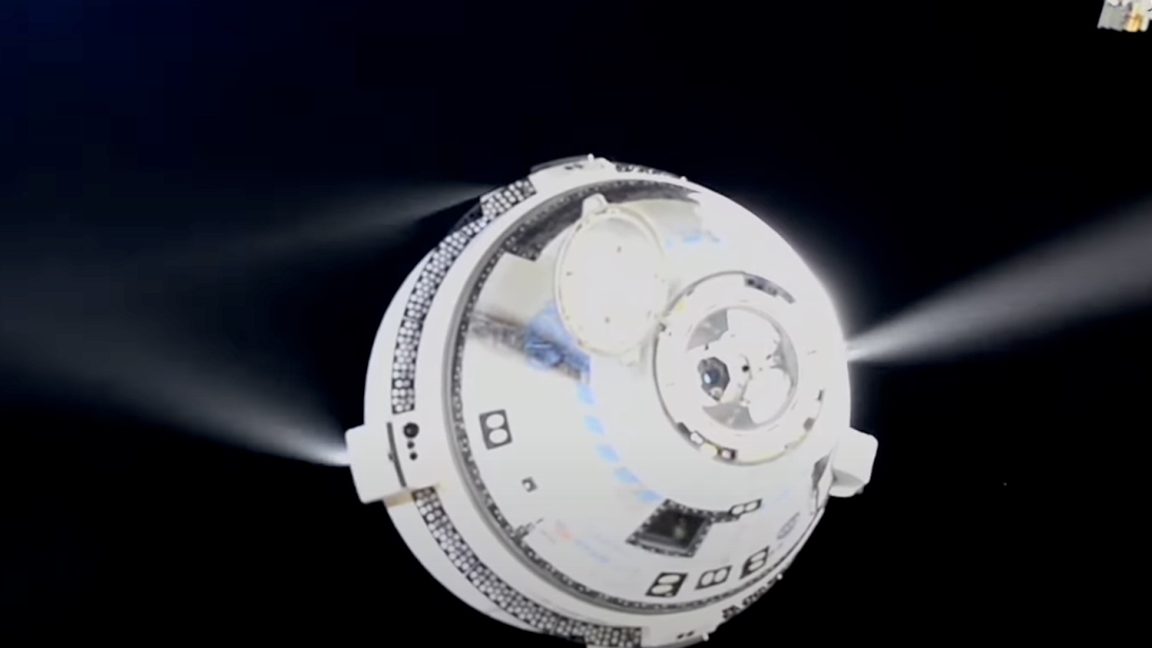
NASA has officially announced plans to purchase two additional flights on Boeing's Starliner spacecraft. This decision aims to ensure continued access…
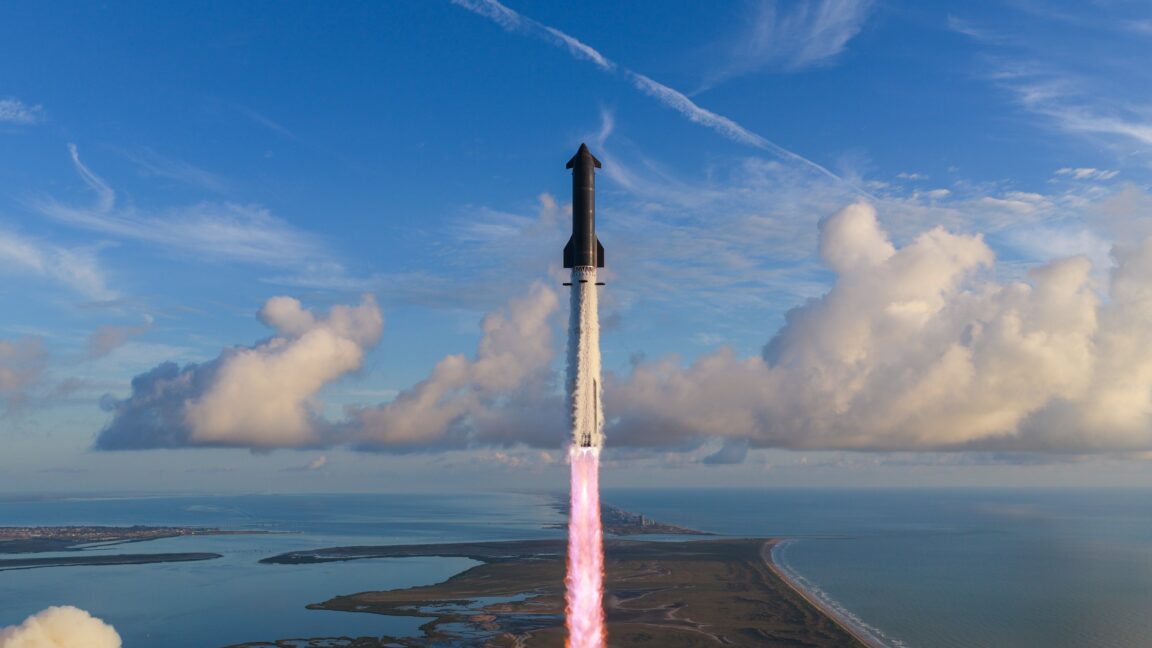
SpaceX successfully launched its Starship rocket from South Texas on Monday, marking the vehicle's 14th test flight. In a significant milestone, the r…