
From a single computer to a global epidemic: how WannaCry spread across the network

On May 12, 2017, the world faced one of the most destructive cyberattacks in history: the WannaCry ransomware. Unlike traditional threats requiring user interaction, WannaCry exploited the EternalBlue vulnerability in the SMB protocol, allowing it to spread automatically across local networks. This paralyzed hospitals, manufacturing plants, and government agencies worldwide. Despite a patch released by Microsoft shortly before the attack, many systems remained vulnerable due to a lack of updates. The article details the exploit's mechanism, the role of a 'kill switch' domain registration in halting the epidemic, and the long-term consequences of the incident. WannaCry served as a stark lesson on the importance of timely software updates and network infrastructure security, demonstrating how a single vulnerability can trigger a global digital crisis.
This is a summary. Read the full article at the original source:
HabrRelated stories

A recent security incident involving the British online retailer ASOS has highlighted the significant vulnerabilities associated with customer-facing…
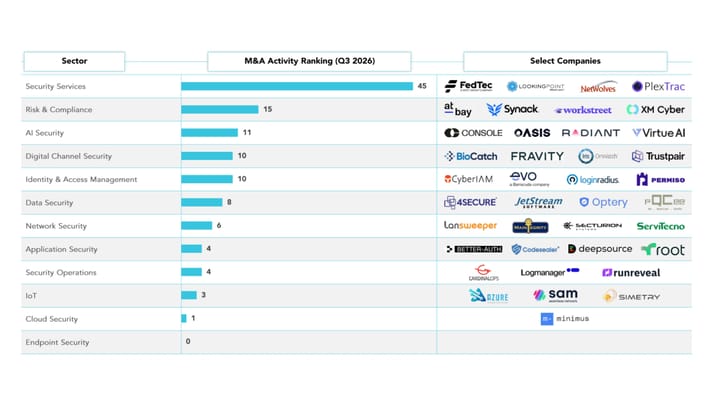
The cybersecurity sector is experiencing a significant surge in mergers and acquisitions, with 117 deals reported in the most recent quarter. Industry…

In a recent discussion, Dark Reading editors highlighted significant cybersecurity developments that recently emerged. A primary focus was the FBI's r…