
This article explores the architecture of a data pipeline designed to stream user behavior events (clickstream) from RabbitMQ into the ClickHouse analytical database. The primary objective was to maintain an end-to-end latency of no more than five seconds. The author details a dual-storage strategy: saving raw JSON logs for audit and diagnostic purposes, alongside typed columns to facilitate efficient analytical queries. Significant attention is given to configuring RabbitMQ engine parameters, specifically rabbitmq_flush_interval_ms, and the necessity of monitoring latency metrics to ensure SLA compliance. This approach minimizes dependencies on external development teams and ensures high-performance, real-time data processing. The article serves as a practical guide for data engineers and architects working with high-load event collection and analysis systems.
This is a summary. Read the full article at the original source:
HabrRelated stories

This article addresses a common e-commerce challenge: a sudden 14% drop in conversion rates overnight, despite an increase in paid orders. The author…
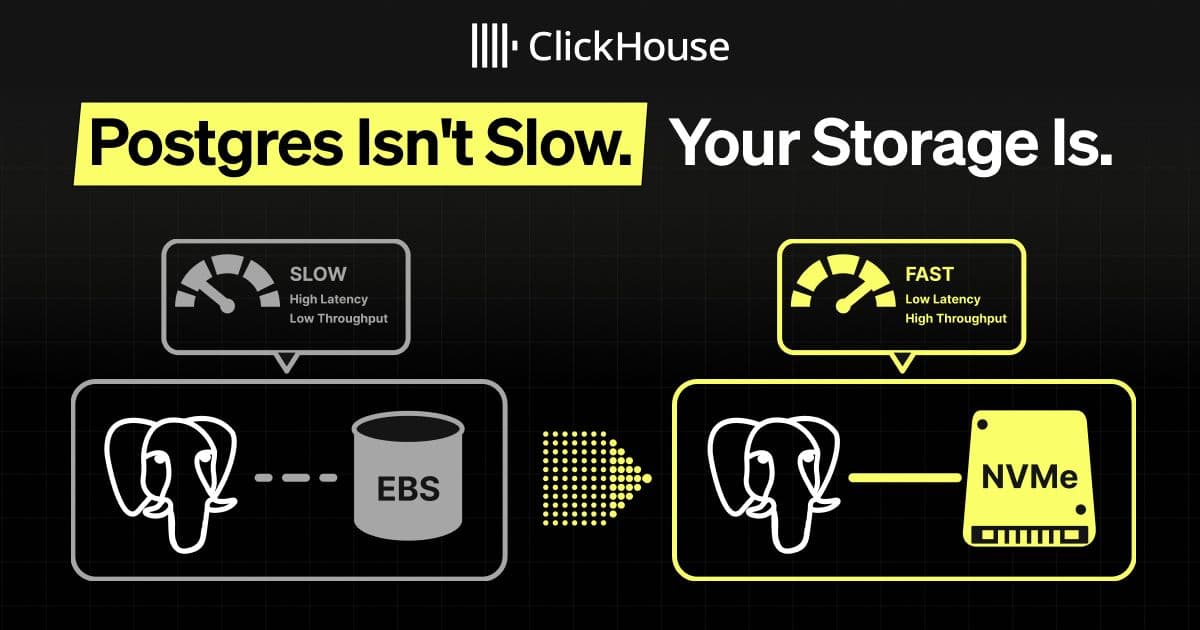
In a recent talk recap from ClickHouse, the discussion centers on the common misconception that PostgreSQL performance issues are inherent to the data…
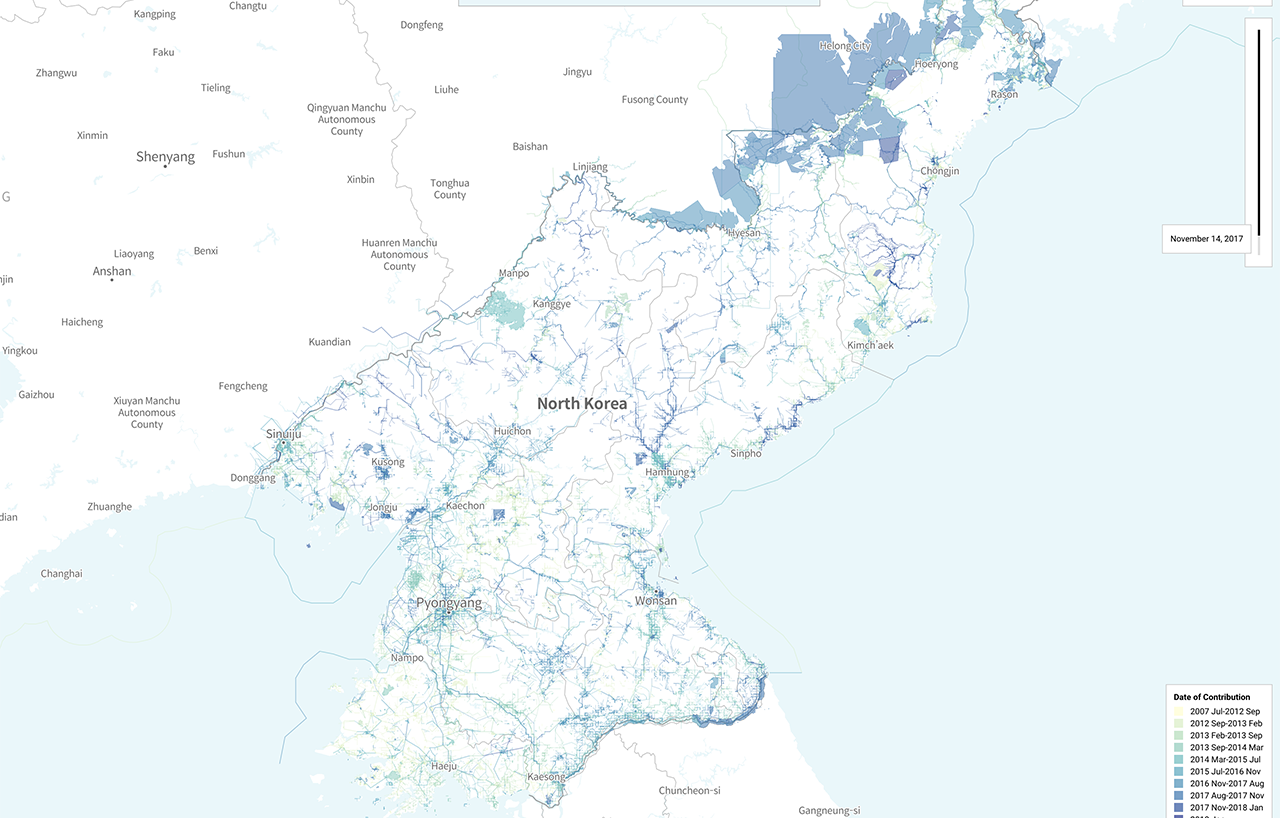
Cartographers of North Korea is an insightful digital project that explores the mapping and geographical representation of the isolated nation. By agg…