
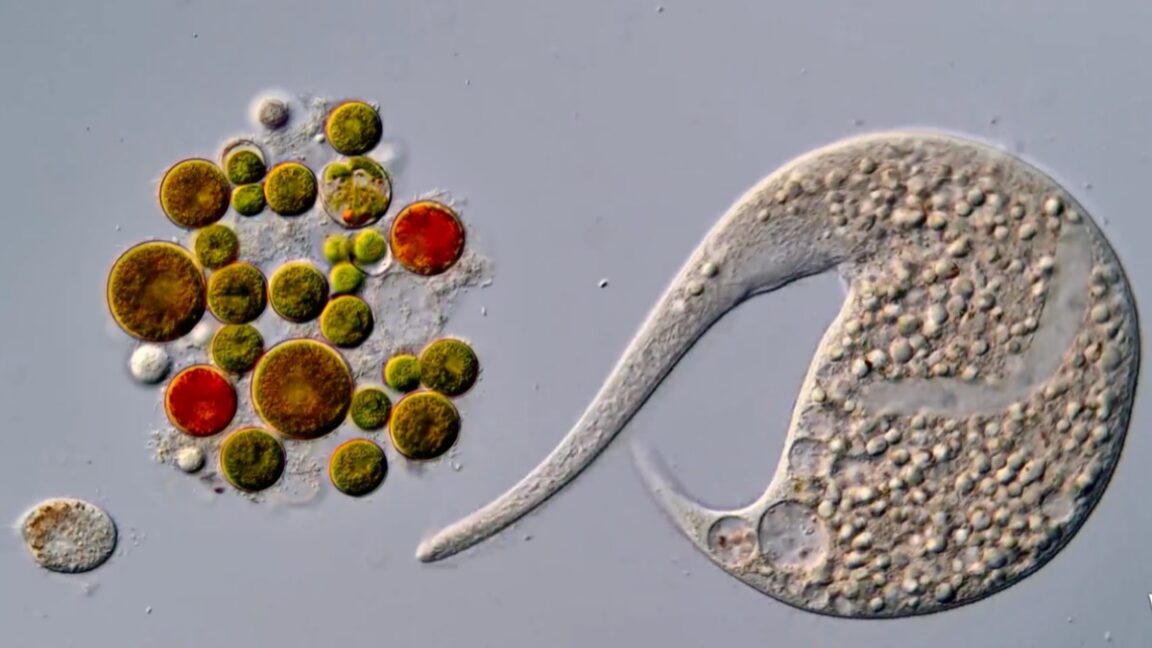
Nikon has disqualified the original winner of its 2026 Small World in Motion video competition, Ning Xu, following an investigation into the use of artificial intelligence. Xu’s entry, which depicted cilia in a child's airway, faced scrutiny after researchers identified structural abnormalities and potential AI watermarks in the source files. While Xu admitted to using AI for feature visualization, he denied using it to generate the biological motion itself. Nikon subsequently stripped Xu of the title, promoting Nguyen Nam Nhat of Vietnam to first place for his video of a roundworm and a single-celled organism. The competition, which highlights the beauty of microscopic life, has seen a ripple effect in its rankings, with other finalists moving up in the standings. This incident underscores the growing challenges in verifying the authenticity of scientific imagery as AI-assisted tools become more prevalent in research and microscopy.
This is a summary. Read the full article at the original source:
Ars TechnicaRelated stories

Archaeologists have discovered a significant collection of 597 wooden artifacts at the Abric Romaní rock shelter in Spain, dating back 62,000 to 40,00…

NASA has officially released a request for proposals (RFP) to the U.S. commercial space industry, seeking partners to develop private space stations.…

A translation of Stephen Hawking's landmark paper on black hole radiation has been published on Habr. Over half a century ago, Hawking proposed the co…