
New solar panel breakthrough could surpass efficiency limits
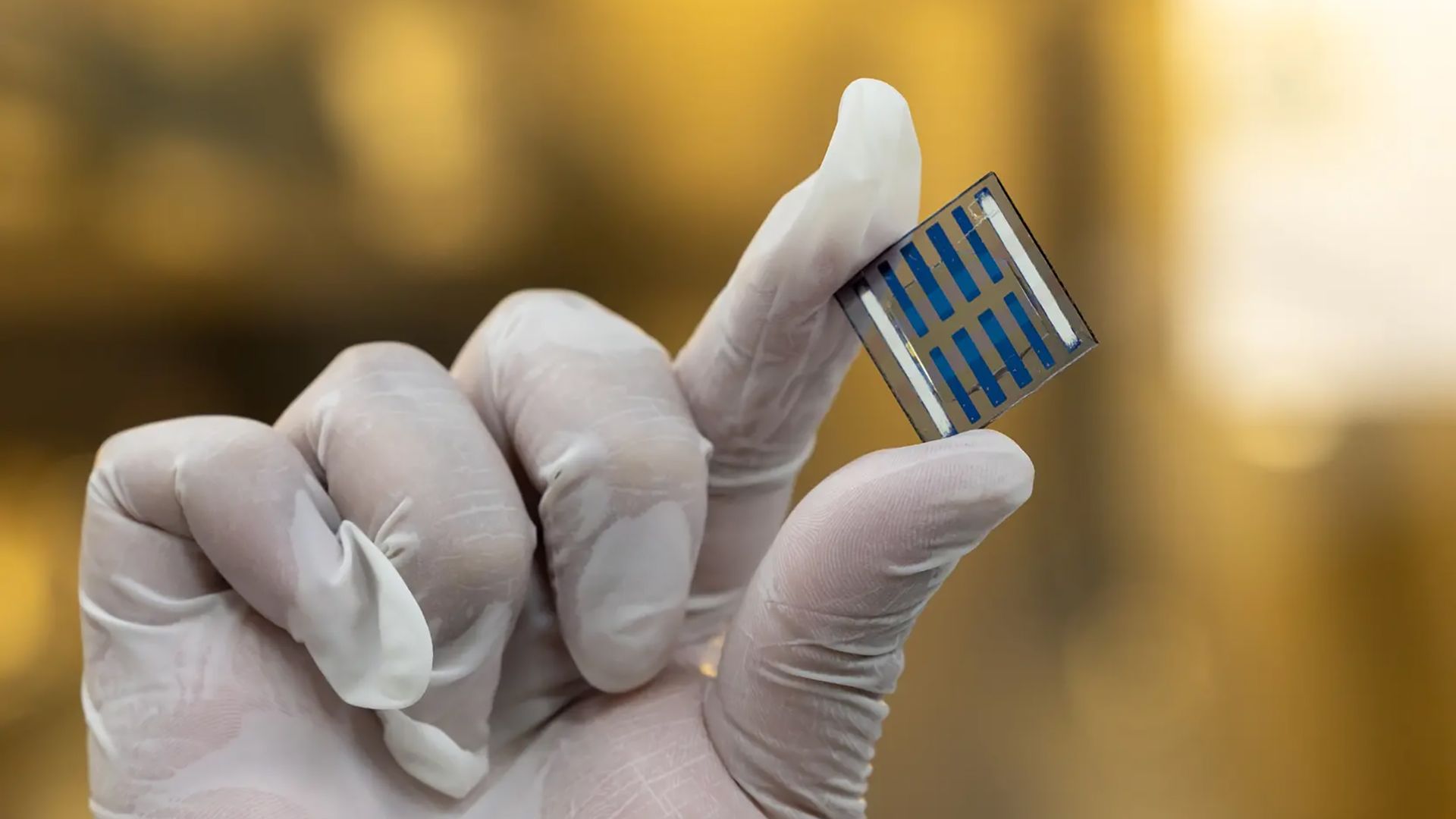
Researchers from the Institut de Ciencies Fotoniques (ICFO) in Barcelona have announced a significant advancement in solar cell engineering that could help surpass the theoretical 33% Shockley-Queisser efficiency limit. By replacing the standard transparent front electrode with an ultra-thin layer of silver, the team created a 'mirrored' effect that reduces energy loss caused by infrared light leakage. This innovative approach restricts the angles through which light can escape, theoretically pushing conversion efficiency toward 43%. While current tests show only small gains, the study provides a new pathway for solar technology development. This breakthrough complements other industry efforts, such as stacking perovskite on silicon, which aims to capture a broader spectrum of light. The ICFO team's work represents a critical step in overcoming the physical constraints that have long hindered solar energy conversion, potentially paving the way for more powerful and efficient renewable energy solutions in the future.
This is a summary. Read the full article at the original source:
TechRadarRelated stories

Internal files add to evidence of an ExxonMobil climate deception campaign
Newly surfaced internal documents have provided additional evidence regarding ExxonMobil's historical efforts to downplay the risks of climate change.…

Petra Power looks to modernize energy for data centers and defense vehicles
Startup Petra Power is aiming to address the growing energy demands of the modern technology landscape by developing highly efficient fuel cell techno…

Tesla's Full Self-Driving is now called Assisted Driving in Europe
Tesla has officially rebranded its 'Full Self-Driving' (FSD) software to 'Assisted Driving' for the European market. This strategic shift comes as the…