
Learning to Play Like a Pro: Adaptive Motion Planning and Tracking for Humanoid Robots

A new white paper from IEEE Spectrum explores the technical challenges of enabling humanoid robots to perform complex athletic movements, such as those seen in professional ball sports. The research focuses on decoupling motion planning from motion tracking to maintain high-fidelity athletic styles while ensuring reliable task execution. Key strategies include extracting motion data from video and motion-capture sources, which is then retargeted and physically corrected for robotic hardware. The authors address the common 'sim-to-real' gap by introducing a tracker trained on randomized execution speeds and a learned motion-speed adapter. This adaptive framework allows robots to perform dynamic tasks, such as serving a ball, without the need for external motion-capture systems. The paper provides engineers with a roadmap for improving robustness and performance in real-world deployments, bridging the divide between simulated training environments and physical humanoid platforms.
This is a summary. Read the full article at the original source:
IEEE SpectrumRelated stories

The latest edition of TechCrunch Mobility highlights a significant regulatory milestone for the autonomous trucking industry. As self-driving technolo…
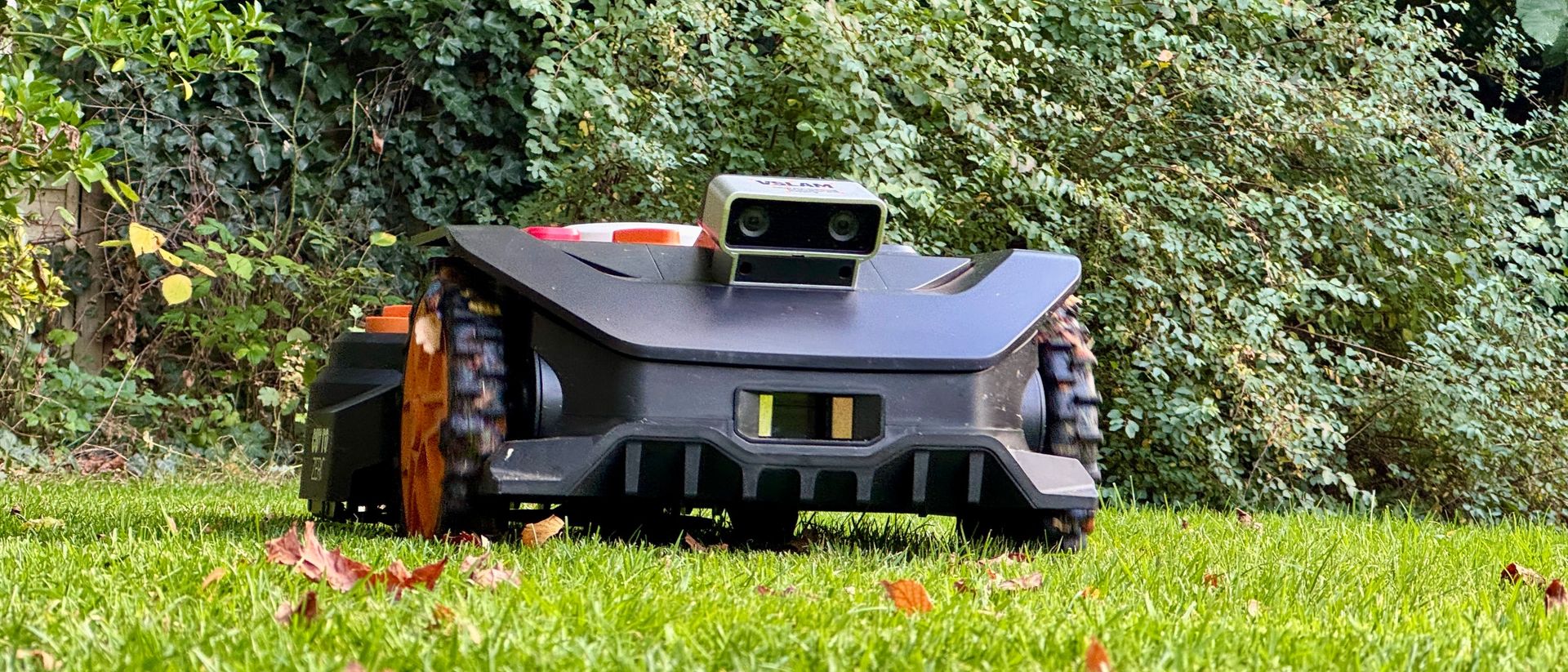
The Worx Landroid Vision Cloud WR306E offers a compelling solution for medium-sized lawns, utilizing V-SLAM stereo vision and cloud-based RTK position…
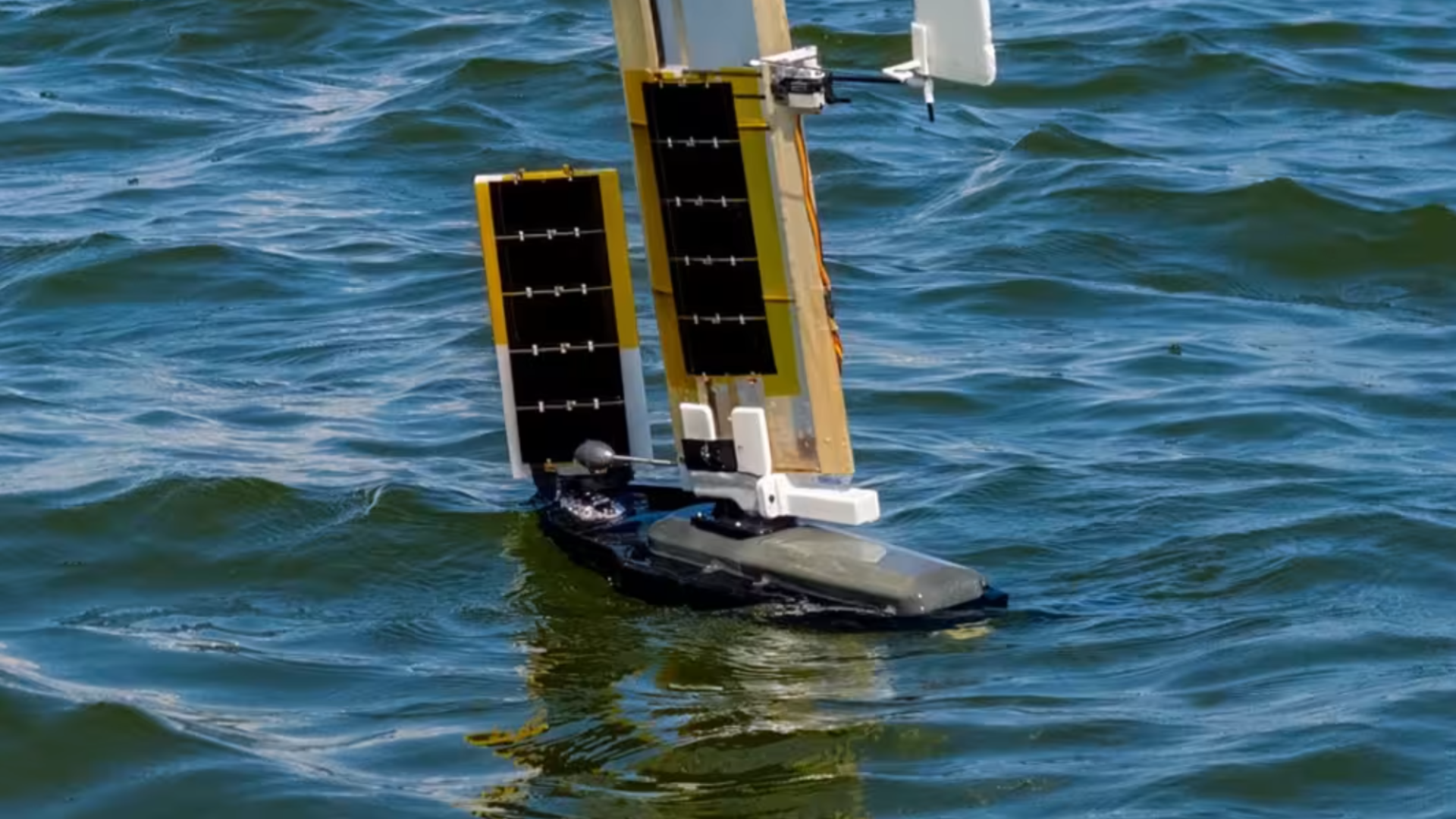
Researchers build sailboat drone prototype that can 'fly' — we think it's more like falling with style
Engineers at the Singapore University of Technology and Design (SUTD) have developed ALBATROSS, a 1.1 kg hybrid drone designed for aerial deployment a…